
Décision, Suggestion et Obligation - Aimer et Détester 2
Ici, vous apprendrez quelques mots anglais liés à l'affection et au dédain tels que "partial", "misogyne" et "enthousiaste".
Réviser
Flashcards
formes
Orthographe
Quiz

having a tendency to do something

enclin à, susceptible
Il n'est pas enclin à prendre des risques et préfère un emploi stable avec un revenu fiable.

having a strong enthusiasm, desire, or excitement for something or someone
passionné
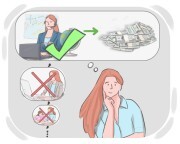
to favor something, especially an opinion
pencher pour
Le comité a penché vers la recommandation du consultant indépendant.

to feel that someone or something is good, enjoyable, or interesting
aimer, aimer bien, apprécier
a set of things one enjoys or has a tendency for
préférences

very fond of someone or something
fou
someone who despises women or assumes men are much better
misogyne
Son comportement au bureau a révélé ses vraies couleurs en tant que misogyne.
having a particular liking or preference for someone or something
avoir un faible pour, friand
a person, activity, or thing that is loved or pursued with intense enthusiasm
passion
a strong tendency to do something or a fondness for something
penchant
Son penchant pour l'aventure motive ses voyages.
something that annoys or bothers someone on a personal levelsomething that annoys or bothers someone on a personal level
bête noire
Son plus grand bête noire est le mâchonnement bruyant.

(of a person) extremely careful with their choices and hard to please
sélectif
Le mangeur difficile a refusé d'essayer quoi que ce soit de nouveau et s'est tenu à une sélection limitée d'aliments.
to do what one wants or desires, without worrying about the opinions or desires of others
faire ce que l'on veut, se faire plaisir
deeply fascinated by someone, particularly in a foolish or unreasonable way
dingue, taré, cinglé
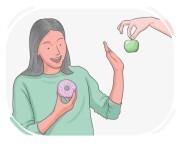
to want or choose one person or thing instead of another because of liking them more
préférer
more desirable or favored compared to other options
préférable
Elle a trouvé que les produits biologiques étaient préférables aux fruits et légumes cultivés de manière conventionnelle.
in a way that shows a liking or a priority for something over others
de préférence
Lorsque vous choisissez une destination de voyage, privilégiez les endroits au climat doux, en évitant de préférence les températures extrêmes.

a tendency or predisposition to favor something over other options
préférence
to cause a person to dislike someone or something
décourager
La violence excessive du film a découragé de nombreux spectateurs.
an extreme aversion or hostility that one has to someone or something
répugnance
Il regarda la nourriture avariée avec répugnance.
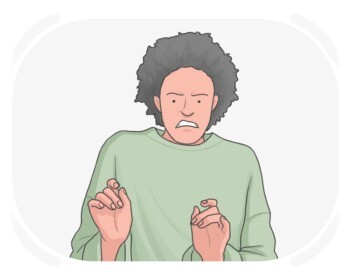
the act of opposing or refusing to accept something one disapproves of or disagrees with
résistance
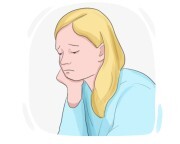
to cause strong feelings, often unpleasant ones
susciter de fortes émotions, attiser
Le scandale politique a suscité l'indignation publique et des demandes de responsabilisation.
to grow to like someone or something, often without any specific reason
se prendre d'affection pour, avoir le béguin pour

to start to dislike someone or something
détéster
Depuis l'incident, il a commencé à se montrer hostile à l'idée des projets en équipe.

to start having feelings of attachment or fascination toward someone or something
prendre en affection, s'attacher à
Elle s'est tout de suite attachée au nouveau chiot.
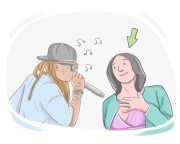
to start to like someone or something
se prendre d'affection pour
Les étudiants ont pris en affection le nouveau professeur rapidement.
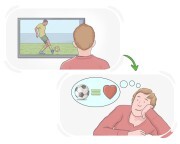
to start to like something
commencer à aimer
Avec le temps, les membres sceptiques de l'équipe se sont réchauffés à la proposition innovante.
used to indicate a habitual tendency, preference, or desire
[verbe au conditionnel]
used to express a preference for one option over another
préférer [au conditionnel]
used to indicate one's preference to do, have, or achieve something (than something else)
[préférer au conditionnel présent]
