
Cambridge IELTS 17 - Académico - Prueba 4 - Lectura - Pasaje 1 (2)
Aprende vocabulario de la segunda parte del Cambridge IELTS 17 Academic, Test 4 Reading Passage 1, con palabras y expresiones útiles del texto.
Revisión
Tarjetas de memoria
formas
Ortografía
Cuestionario

to make information that was previously unknown or kept in secrecy publicly known

revelar

in a manner choosing one option over another based on a preference or tendency
preferencialmente, de manera preferencial
El profesor preferencialmente brinda ayuda adicional a los estudiantes que tienen dificultades con ciertos temas.

to search for and collect food, typically in natural surroundings such as forests or fields
buscar
Actualmente está buscando hongos comestibles en el bosque.

to prefer someone or something to an alternative
preferir
a chemical element or inorganic compound that green plants absorb and incorporate into their organic molecules to support growth and metabolism
nutriente, sustancia nutritiva
Después de que el análisis del suelo indicó una baja disponibilidad de fósforo, el agricultor aplicó una enmienda rica en nutrientes fosfatados antes de plantar maíz.
the flow of water or substances that drain away from an area of land, often carrying dirt, chemicals, or other materials
escorrentía, flujo superficial
Los agricultores están preocupados por la escorrentía de fertilizantes hacia los ríos cercanos.
easily affected by external factors
susceptible
Se recomienda a los pacientes que reciben quimioterapia que eviten las vacunas con virus vivos, ya que su sistema inmunológico es más susceptible a infecciones activas durante el tratamiento.
the presence of large numbers of harmful insects, pests, or other organisms in an area, often causing damage to crops, trees, or natural environments
infestación, plaga
El monitoreo regular ayuda a prevenir una infestación severa de plagas en los campos agrícolas.

to show, point out, or suggest the existence, presence, or nature of something
indicar

something that serves to show, suggest, or point to a fact, condition, or situation
indicio

to eat or drink something
consumir, comer o beber
to overrun in large numbers
infestar
Internet está infestado de desinformación, lo que hace difícil discernir entre hechos y ficción.

any fruit produced by a citrus tree, such as an orange, lemon, lime, or grapefruit
cítrico
an amount of money invested in a business
participación, acción

to make a connection between someone or something and another in the mind
asociar

anything that proves the truth or possibility of something, such as facts, objects, or signs
prueba, comprobación
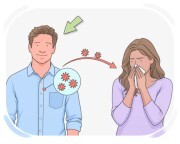
a person or animal that carries an infectious agent without showing symptoms and can transmit it to others
portador
a potentially fatal disease normally transmitted to humans through the bite of an infected Anopheles mosquito
malaria, paludismo
Los síntomas de la malaria incluyen fiebre alta, escalofríos y una enfermedad similar a la gripe.
to show or mention something to someone and give them enough information to take notice
mencionar, mostrar
Mientras revisaban el plano, el arquitecto señaló los cambios de diseño.
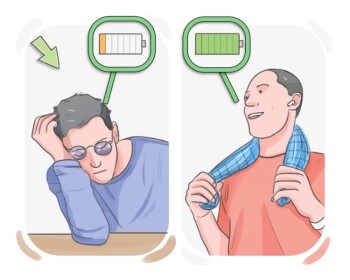
existing in smaller amounts than what is needed
escaso, insuficiente
El libro raro era escaso y muy buscado por coleccionistas de todo el mundo.
extremely important or essential
crucial, decisivo
La comunicación es crucial en los proyectos de equipo.

(birds or bats) to settle or rest on a perch or in a shelter for sleep or rest
posarse, descansar
Los pollos se posan en el gallinero para estar a salvo de los depredadores por la noche.
deserving deep respect and admiration due to its spiritual, religious, or significant importance
sagrado, santo
El vínculo sagrado entre hermanos se fortaleció con los años.
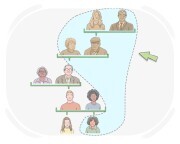
a person from whom someone is descended, especially one who lived many generations ago
antepasado

having the possibility to develop or be developed into something particular in the future
potencial

to help or support the progress or development of something
apoyer
creating a positive outcome or value for both sides involved in it
mutuamente beneficioso, beneficioso para ambas partes
La colaboración entre los dos artistas fue mutuamente beneficiosa, ya que se inspiraron y desafiaron mutuamente para producir obras increíbles.

to set a piece of equipment in place and make it ready for use
instalar
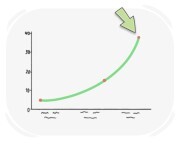
to increase something to the highest possible level
maximizar
Los cambios implementados han maximizado el rendimiento del software.
a group of organisms of the same species inhabiting a given area
población

the total amount of something that is produced, as in agriculture or an industry
rendimiento
able to continue for a long period of time
sostenible
El jardín comunitario proporcionó acceso sostenible a productos frescos para los residentes locales.

to measure or express something as a number or amount
cuantificar, medir
El contable cuantificará los gastos de la empresa para el año fiscal.
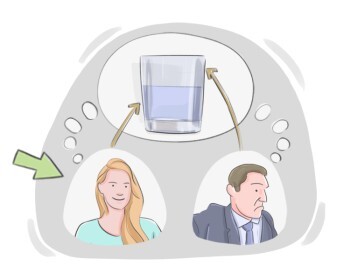
having a hopeful and positive outlook on life, expecting good things to happen
optimista
A pesar de los contratiempos, se mantuvo optimista de que las cosas mejorarían.
to offer help to someone with a task or problem
the formation or restoration of something in an improved condition
regeneración, renovación

to complete or conduct a task, job, etc.
llevar a cabo, realizar una tarea o trabajo
Al detective se le asignó llevar a cabo la investigación sobre la desaparición misteriosa.

a piece of information discovered as a result of a research
resultado
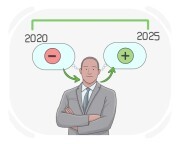
the typical way a person thinks or feels about something or someone, often affecting their behavior and decisions
actitud
