pattern

Cambridge IELTS 17 - Academic - Test 4 - Reading - Passage 1 (2)

Here you can find the vocabulary from Test 4 - Reading - Passage 1 (2) in the Cambridge IELTS 17 - Academic coursebook, to help you prepare for your IELTS exam.

Review

Flashcards

Forms

Spelling

Quiz
Start learning
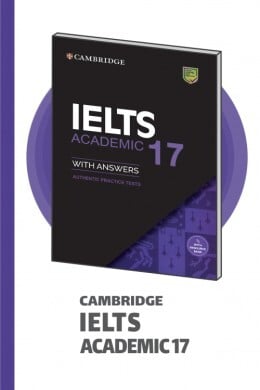
Cambridge IELTS 17 - Academic
to reveal
to reveal
[Verb]

to make information that was previously unknown or kept in secrecy publicly known

Ex: In her memoir, the author courageously revealed her struggles with mental illness. 
Close
Sign in
preferentially

in a manner choosing one option over another based on a preference or tendency
Ex: She preferentially selects green vegetables over sugary snacks for a healthier diet. 
Close
Sign in
to forage
to forage
[Verb]

to search for and collect food, typically in natural surroundings such as forests or fields
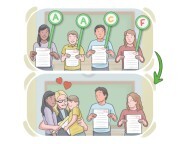
Ex: The bears foraged for berries in the forest, using their keen sense of smell to locate ripe fruit. 
Close
Sign in
to favor
to favor
[Verb]

to prefer someone or something to an alternative

Ex: I favor spending my weekends in nature rather than in the city. 
Close
Sign in
nutrient
nutrient
[noun]

a chemical element or inorganic compound that green plants absorb and incorporate into their organic molecules to support growth and metabolism

Ex: In hydroponic systems, growers routinely adjust the nutrient solution's nitrogen and potassium levels to maximize lettuce production. 
Close
Sign in
runoff
runoff
[noun]

the flow of water or substances that drain away from an area of land, often carrying dirt, chemicals, or other materials

Ex: Heavy rainfall caused runoff that flooded the streets. 
Close
Sign in
susceptible
susceptible
[Adjective]

easily affected by external factors

Ex: Delicate plants are susceptible to frost. 
Close
Sign in
infestation

the presence of large numbers of harmful insects, pests, or other organisms in an area, often causing damage to crops, trees, or natural environments

Ex: The farmer discovered an infestation of locusts that threatened to destroy his entire crop. 
Close
Sign in
to indicate

to show, point out, or suggest the existence, presence, or nature of something
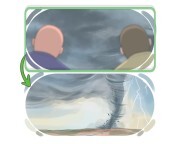
Ex: The thermometer indicates that the temperature is rising. 
Close
Sign in
indication

something that serves to show, suggest, or point to a fact, condition, or situation

Ex: The dark clouds are an indication of approaching rain. 
Close
Sign in
to consume

to eat or drink something

Ex: After a long day at work, she was ready to consume a hearty meal. 
Close
Sign in
to infest
to infest
[Verb]

to overrun in large numbers

Ex: Last summer, the picnic area was infested with mosquitoes, forcing us to cut our outing short. 
Close
Sign in
citrus
citrus
[noun]

any fruit with a sour taste, such as oranges, limes, and tangerines

Ex: He squeezed fresh lemon juice into his water, enjoying the tangy taste of the citrus. 
Close
Sign in
stake
stake
[noun]

an amount of money invested in a business

Ex: She purchased a significant stake in the startup company to support its growth. 
Close
Sign in
to associate

to make a connection between someone or something and another in the mind
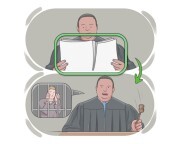
Ex: Many people associate the smell of freshly baked cookies with warmth and home. 
Close
Sign in
evidence
evidence
[noun]

anything that proves the truth or possibility of something, such as facts, objects, or signs
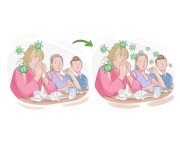
Ex: The prosecution presented compelling evidence, including DNA analysis and eyewitness testimony, to support their case. 
Close
Sign in
carrier
carrier
[noun]

a person or animal that carries a disease, without suffering from it themselves, and transmits to other people or animals

Ex: Although he showed no symptoms, he was identified as a carrier of the virus, spreading it unknowingly to others. 
Close
Sign in
malaria
malaria
[noun]

a potentially fatal disease normally transmitted to humans through the bite of an infected Anopheles mosquito

Ex: He contracted malaria during his trip to the tropical region and had to be treated immediately. 
Close
Sign in
to point out

to show or mention something to someone and give them enough information to take notice
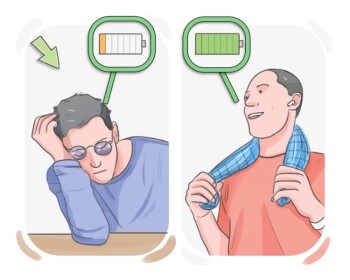
Ex: She pointed out the flaws in the plan during the meeting. 
Close
Sign in
scarce
scarce
[Adjective]

existing in smaller amounts than what is needed
Ex: Food supplies grew scarce during the winter months, leading to rationing in some areas. 
Close
Sign in
crucial
crucial
[Adjective]

extremely important or essential

Ex: It is crucial to follow safety guidelines. 
Close
Sign in
to roost
to roost
[Verb]

(birds or bats) to settle or rest on a perch or in a shelter for sleep or rest

Ex: The birds roost in the large oak tree every evening. 
Close
Sign in
sacred
sacred
[Adjective]

deserving deep respect and admiration due to its spiritual, religious, or significant importance
Ex: The artist's studio is a sacred space where creativity flourishes. 
Close
Sign in
ancestor
ancestor
[noun]

a blood relative who lived a long time ago, usually before one's grandparents
Ex: She discovered that one of her ancestors had fought in the Civil War. 
Close
Sign in
potential
potential
[Adjective]

having the possibility to develop or be developed into something particular in the future

Ex: She saw potential issues with the project and addressed them early on. 
Close
Sign in
to promote

to help or support the progress or development of something

Ex: The manager worked to promote teamwork and collaboration within the team. 
Close
Sign in
mutually beneficial

creating a positive outcome or value for both sides involved in it

Ex: The friendship between the two girls was mutually beneficial, as they supported each other through thick and thin. 
Close
Sign in
to install

to set a piece of equipment in place and make it ready for use
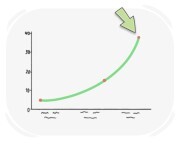
Ex: To upgrade the kitchen, they hired a professional to install the new dishwasher. 
Close
Sign in
to maximize

to increase something to the highest possible level

Ex: She always tries to maximize her productivity by planning her tasks efficiently. 
Close
Sign in
population

a group of organisms of the same species inhabiting a given area

Close
Sign in
yield
yield
[noun]

the total amount of something that is produced, as in agriculture or an industry

Ex: The annual yield of the wheat fields surpassed expectations, resulting in a plentiful harvest. 
Close
Sign in
sustainable
sustainable
[Adjective]

able to continue for a long period of time

Ex: Her study habits were not sustainable, leading to burnout before exams. 
Close
Sign in
to quantify

to measure or express something as a number or amount
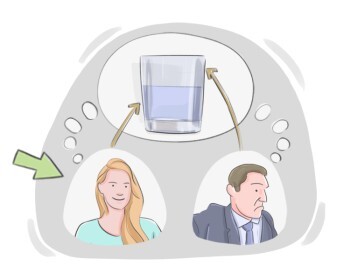
Ex: The researchers will quantify the amount of rainfall in millimeters. 
Close
Sign in
optimistic
optimistic
[Adjective]

having a hopeful and positive outlook on life, expecting good things to happen

Ex: Despite setbacks, she remained optimistic about her future career prospects. 
Close
Sign in
to [give] {sb} a hand

to offer help to someone with a task or problem

Ex: Can you give me a hand with carrying these groceries? 
Close
Sign in
regeneration

forming again (especially with improvements or removal of defects); renewing and reconstituting

Close
Sign in
to carry out

to complete or conduct a task, job, etc.

Ex: The research team will carry out experiments to test the hypothesis and gather data. 
Close
Sign in
finding
finding
[noun]

a piece of information discovered as a result of a research

Ex: The scientist's finding revealed a new way to treat the disease. 
Close
Sign in
attitude
attitude
[noun]

the typical way a person thinks or feels about something or someone, often affecting their behavior and decisions

Ex: Her positive attitude towards challenges helped her overcome obstacles and achieve her goals. 
Close
Sign in
LanGeek
Download LanGeek app