
Cambridge IELTS 16 - Académico - Prueba 4 - Escucha - Parte 4
Aprende vocabulario del Cambridge IELTS 16 Academic, Test 4 Listening Part 4, y repasa palabras y expresiones útiles de esta sección del examen de práctica.
Revisión
Tarjetas de memoria
formas
Ortografía
Cuestionario
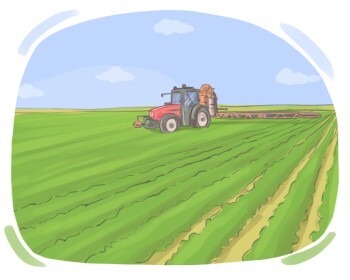
the practice and study of growing crops and raising animals for food or other products

agricultura

(of a material or substance) to extend or apply evenly across an area or object
cubrir, recubrir
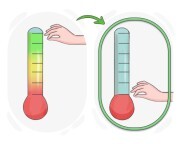
to reduce the amount, size, or number of something
reducir
Ante un horario ajustado, tuvo que reducir la duración de su presentación.
(of a bird or animal) Unable to fly
incapaz de volar, no volador
El kiwi de Nueva Zelanda es un ave pequeña incapaz de volar activa por la noche.
to reside in a specific place
habitar, residir
Los pueblos indígenas habitan esta tierra desde hace siglos.
to make something stable, secure, or permanent in a specific place or position
establecer, instalar
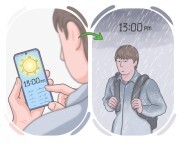
not deserving of trust or confidence
poco fiable
Es considerado poco confiable por sus colegas.
the parts of the body that are soft and flexible, such as muscles, fat, skin, and organs, not bones or hard structures
tejido blando, tejidos blandos
El escaneo mostró daño en el tejido blando de su pierna.
an example of a certain kind of situation
caso
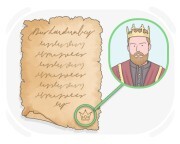
to have a connection with a particular person or thing
referirse a, hacer referencia a
El título de la pintura, « Sunset Serenity », se refiere a el estado emocional del artista durante su creación.

a person who is a member of a ship's crew
marinero
Ella se inscribió para ser marinero en un crucero durante el verano.

a type of dried plant with a pleasant smell used to add taste or color to the food
especia
Al plato le faltaba especia, así que añadí un poco de cúrcuma y curry.
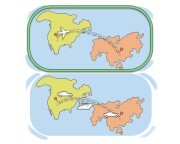
favorable or well-suited for a specific purpose or situation
conveniente
Fue conveniente que el tren llegara justo cuando yo llegaba a la estación.

to gather something in large amounts to keep for future use, sale, or for a particular occasion
abastecerse, hacer acopio
Los inversores acumularon acciones prometedoras con la esperanza de que su valor aumentara.
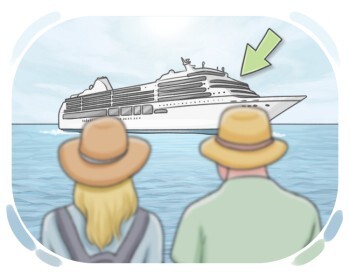
a long journey taken on a ship or spacecraft
viaje
Planearon un viaje a la Antártida para estudiar la vida silvestre y el clima únicos del continente.
to go and reside in a place as a permanent home
establecerse, instalarse

to establish a fresh entity, such as a company, system, or organization
establecer, montar
Decidieron establecer una fundación para la conservación del medio ambiente.
a country or territory politically controlled by another, more powerful country
colonia
a person or animal that lives in a particular place
habitante
an item that provides lasting evidence or information about past events, actions, or conditions
registro, archivo

to cause something to remain in its original state without any significant change
preservar
an individual example or sample of something, especially one examined or studied as representative of its type
espécimen
to no longer be able be found or located, often leading to frustration
desaparecer, esfumarse

a sample, showing what the rest of the data is typically like
ejemplo

someone or something that is being described, discussed, or dealt with
tema
a detailed record or narrative description of events that have occurred
cuenta, relato

doing things or moving in a way that lacks control and care, usually causing accidents
torpe
Sus torpes intentos de bailar provocaron risas en la multitud.
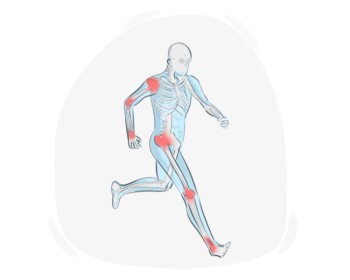
a place in the body where two bones meet, enabling one of them to bend or move around
articulación
to make use of something for a particular purpose
emplear
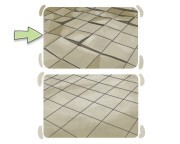
not level, smooth, or uniform in shape or texture
desigual, irregular
La vieja mesa de madera tenía una superficie desigual con grietas visibles.

a methodical examination of the whole structure of something and the relation between its components
análisis

the bony structure of the head that surrounds and protects the brain
cráneo

to confirm a statement or claim by providing evidence
confirmar con pruebas, respaldar una afirmación
Los hallazgos de la investigación confirman la efectividad del nuevo tratamiento.
referring to or concerning a particular topic, subject, or context
en relación con, respecto a
En relación con su consulta sobre el cronograma del proyecto, anticipamos su finalización para el próximo mes.
a part of a living organism that is made up of cells and is designed to perform a specific function
estructura, órgano
to a degree that is higher than usual
particularmente, especialmente
Ella encontró el último capítulo del libro particularmente conmovedor.
created, built, or improved to a more advanced state
desarrollado, elaborado
Mostró sus habilidades de pintura desarrolladas en la exposición de arte.
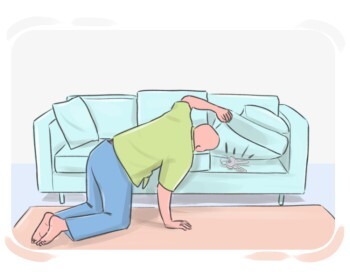
to discover the exact position or place of something or someone
localizar
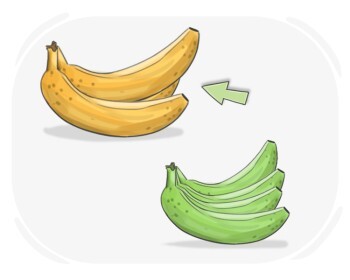
(of fruit or crop) fully developed and ready for consumption
maduro
Las fresas maduras estaban reventando de dulzura jugosa.
(of plants) existing and growing densely close together with little space in between, creating a lush and impenetrable area
espeso, denso

trees and plants in general, particularly those of a specific habitat or area
vegetación
En primavera, las laderas están cubiertas de una vegetación verde vibrante mientras florecen las flores silvestres, creando un paisaje pintoresco.
at the initial state, purpose, or condition of something before any changes occurred
originalmente, en un principio
Esta línea de metro originalmente terminaba en la calle 34 antes de extenderse hacia el centro.
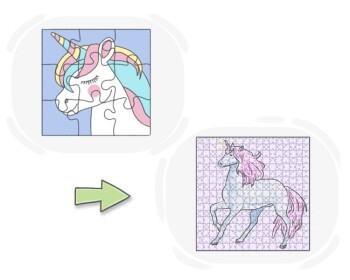
involving many different parts or elements that make something difficult to understand or deal with
complicado, difícil
El algoritmo utilizado en el programa era complicado, con múltiples funciones anidadas.

something that poses danger or the possibility of harm
amenaza
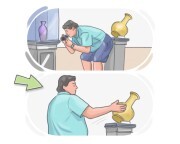
in a way that is done consciously and intentionally
deliberadamente, a propósito
Ella deliberadamente dejó la puerta abierta para dejarlo entrar.
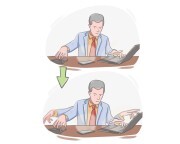
in a way that is very quick and often unexpected
rápidamente
El atleta corrió rápidamente para romper el récord.

to invade or overwhelm with a large number, surpassing defenses
rebasar
Las langostas amenazaban con invadir los campos agrícolas, causando daños generalizados en los cultivos.
to disturb or interrupt the normal function or order of something
alterar, perturbar
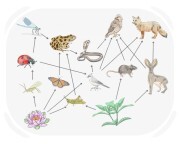
the relation between plants and animals to each other and their environment
ecología
Los esfuerzos de conservación son cruciales para mantener la ecología de las especies en peligro de extinción.
going beyond what is typical or expected
particular, especial
Su interés particular en la música clásica lo convirtió en un experto en el tema.

to eat or drink something
consumir, comer o beber
causing severe damage, destruction, or emotional distress
devastador, arrasador
Las consecuencias devastadoras del cambio climático son cada vez más evidentes en todo el mundo.
a group of organisms of the same species inhabiting a given area
población
(of plants or animals) not originally from the region or environment where they are found, often introduced from other areas
no nativo, exótico
El bosque está luchando contra la propagación de plantas no nativas, que superan a la flora autóctona.
a group that animals, plants, etc. of the same type which are capable of producing healthy offspring with each other are divided into
especie
El lobo rojo es una especie de lobo nativa del sureste de los Estados Unidos.
