pattern

Cambridge IELTS 16 - Academic - Test 4 - Ascultare - Partea 4

Învață vocabular din Cambridge IELTS 16 Academic, Test 4 Listening Part 4, și recapitulați cuvinte și expresii utile din această secțiune a testului de practică.

Revizuire

Fișe de studiu

forme

Ortografie

Chestionar
Începe să înveți
Cambridge IELTS 16 - Academic
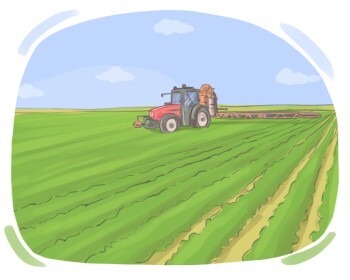
agriculture
agriculture
[substantiv]

the practice and study of growing crops and raising animals for food or other products

agricultură, agronomie

agricultură, agronomie

Ex: Modern agriculture uses machines to increase efficiency. 
Închide
Conectare
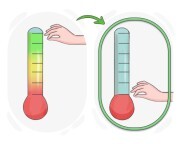
to cover
to cover
[verb]

(of a material or substance) to extend or apply evenly across an area or object

acoperi, înveli
acoperi, înveli

Ex: This new paint covers well, hiding all the old stains and cracks on the wall. 
Închide
Conectare
to cut down

to reduce the amount, size, or number of something

reduce, diminua

reduce, diminua

Ex: In an effort to reduce expenses, the company had to cut down its workforce. 

În încercarea de a reduce cheltuielile, compania a trebuit să reducă forța de muncă.

Închide
Conectare
flightless
flightless
[adjectiv]

(of a bird or animal) Unable to fly

incapabil să zboare, nezbator

incapabil să zboare, nezbator

Ex: Penguins are flightless birds, but they swim expertly in the ocean. 

Pinguinii sunt păsări incapabile să zboare, dar înoată expert în ocean.

Închide
Conectare
to inhabit

to reside in a specific place

locui, trăi

locui, trăi

Ex: Nomadic tribes used to inhabit this region before settling in permanent villages. 

Triburile nomade locuiau această regiune înainte de a se stabili în sate permanente.

Închide
Conectare
to establish

to make something stable, secure, or permanent in a specific place or position

stabili, înființa
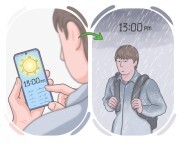
stabili, înființa

Ex: They established their home in the quiet countryside after moving from the city. 
Închide
Conectare
unreliable
unreliable
[adjectiv]

not deserving of trust or confidence

nesigur, nede încredere

nesigur, nede încredere

Ex: The witness proved unreliable in court. 

Martorul s-a dovedit nede încredere în instanță.

Închide
Conectare
soft tissue
soft tissue
[substantiv]

the parts of the body that are soft and flexible, such as muscles, fat, skin, and organs, not bones or hard structures

țesut moale, țesuturi moi

țesut moale, țesuturi moi

Ex: The injury only affected soft tissue, not the bone. 

Rănira a afectat doar țesuturile moi, nu și osul.

Închide
Conectare
case
case
[substantiv]

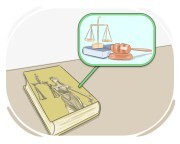
an example of a certain kind of situation

caz, exemplu
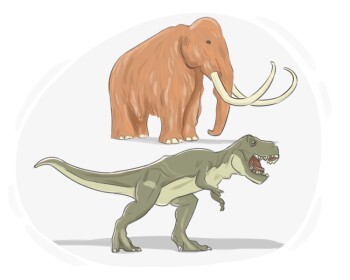
caz, exemplu

Ex: The lawyer presented a strong case to the jury, emphasizing the evidence. 
Închide
Conectare
extinction
extinction
[substantiv]

a situation in which a particular animal or plant no longer exists

extincție

extincție

Închide
Conectare
to refer to

to have a connection with a particular person or thing

a se referi la, a face referire la

a se referi la, a face referire la

Ex: The symbol on the ancient artifact referred to a religious belief system practiced by the ancient civilization. 

Simbolul de pe artefactul antic se referea la un sistem de credințe religioase practicat de civilizația antică.

Închide
Conectare
sailor
sailor
[substantiv]

a person who is a member of a ship's crew

marinar, sailor

marinar, sailor

Ex: The sailor's job involves handling ropes and rigging. 

Munca marinarului implică manipularea frânghiilor și a armăturilor.

Închide
Conectare
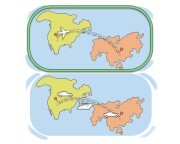
spice
spice
[substantiv]

a type of dried plant with a pleasant smell used to add taste or color to the food

condiment

condiment

Ex: Cinnamon is a versatile spice that can be used in both sweet and savory dishes. 

Scorțișoara este un condiment versatil care poate fi folosit atât în preparate dulci, cât și în cele sărate.
Închide
Conectare
convenient
convenient
[adjectiv]

favorable or well-suited for a specific purpose or situation

convenabil, potrivit

convenabil, potrivit

Ex: The meeting time was convenient for everyone involved. 

Ora întâlnirii a fost convenabilă pentru toți cei implicați.

Închide
Conectare
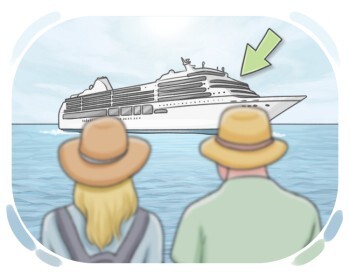
to stock up

to gather something in large amounts to keep for future use, sale, or for a particular occasion

a face provizii, a stoca în cantități mari

a face provizii, a stoca în cantități mari

Ex: We stocked up on cold medicine, tissues and soup for the upcoming flu season. 

Ne-am aprovisionat cu medicamente pentru răceală, șervețele și supă pentru sezonul viitor de gripă.
Închide
Conectare
voyage
voyage
[substantiv]

a long journey taken on a ship or spacecraft

călătorie, voiaj

călătorie, voiaj

Ex: The space mission was a historic voyage to the International Space Station. 

Misiunea spațială a fost o călătorie istorică către Stația Spațială Internațională.

Închide
Conectare
to settle
to settle
[verb]

to go and reside in a place as a permanent home

a se stabili, a se așeza

a se stabili, a se așeza

Ex: The family chose to settle in the coastal town to enjoy a slower pace of life. 
Închide
Conectare
to set up
to set up
[verb]

to establish a fresh entity, such as a company, system, or organization

a înființa, a crea

a înființa, a crea

Ex: She set up a charity to support underprivileged children in the community. 

Ea a înființat o organizație de caritate pentru a sprijini copiii defavorizați din comunitate.

Închide
Conectare
colony
colony
[substantiv]

a country or territory politically controlled by another, more powerful country

Ex: India was once a British colony. 
Închide
Conectare
inhabitant
inhabitant
[substantiv]

a person or animal that lives in a particular place

locuitor

locuitor

Ex: The island has fewer than a thousand inhabitants. 
Închide
Conectare
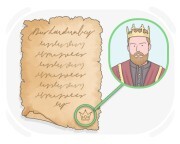
record
record
[substantiv]

an item that provides lasting evidence or information about past events, actions, or conditions

înregistrare, arhivă

înregistrare, arhivă

Ex: The photograph was a cherished record of their family reunion. 
Închide
Conectare
to preserve

to cause something to remain in its original state without any significant change

conserva, păstra

conserva, păstra

Ex: Historical artifacts are preserved in museums to maintain their original condition. 
Închide
Conectare
specimen
specimen
[substantiv]

an individual example or sample of something, especially one examined or studied as representative of its type

Ex: The museum has several rare butterfly specimens. 
Închide
Conectare
to disappear

to no longer be able be found or located, often leading to frustration

dispărea,  se pierde

dispărea, se pierde

Ex: The detective was baffled by how the evidence seemed to disappear from the crime scene. 
Închide
Conectare
example
example
[substantiv]

a sample, showing what the rest of the data is typically like

exemplu, eșantion
exemplu, eșantion

Ex: The study included a diverse range of industries, with the manufacturing sector being a standout example. 
Închide
Conectare
subject
subject
[substantiv]

someone or something that is being described, discussed, or dealt with

subiect, temă

subiect, temă

Ex: The students chose a fascinating subject for their research paper: artificial intelligence. 
Închide
Conectare
account
account
[substantiv]

a detailed record or narrative description of events that have occurred

cont, relatare

cont, relatare

Ex: She gave a vivid account of her travels across Europe. 
Închide
Conectare
clumsy
clumsy
[adjectiv]

doing things or moving in a way that lacks control and care, usually causing accidents

neîndemânatic, stângaci

neîndemânatic, stângaci

Ex: He's known for his clumsy nature, always tripping over his own feet. 

Este cunoscut pentru natura lui neîndemânatică, întorcându-se mereu peste propriile picioare.
Închide
Conectare
joint
joint
[substantiv]

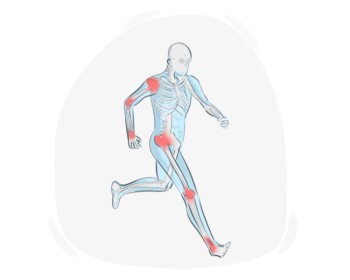
a place in the body where two bones meet, enabling one of them to bend or move around

articulație, îmbinare

articulație, îmbinare

Ex: He injured his shoulder joint while playing sports, resulting in limited mobility and pain. 
Închide
Conectare
to employ
to employ
[verb]

to make use of something for a particular purpose

folosi, angaja
folosi, angaja

Ex: The team employed a new strategy to improve their performance in the game. 
Închide
Conectare
uneven
uneven
[adjectiv]

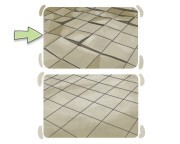
not level, smooth, or uniform in shape or texture

neuniform, neregulat

neuniform, neregulat

Ex: The hikers struggled to walk on the uneven ground. 

Excursionistii s-au chinuit să meargă pe terenul neuniform.

Închide
Conectare
analysis
analysis
[substantiv]

a methodical examination of the whole structure of something and the relation between its components

analiză, examinare metodologică
analiză, examinare metodologică

Ex: The scientist's detailed analysis of the data led to a groundbreaking discovery. 
Închide
Conectare
skull
skull
[substantiv]

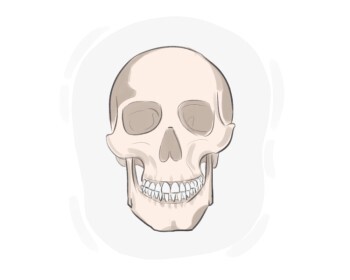
the bony structure of the head that surrounds and protects the brain
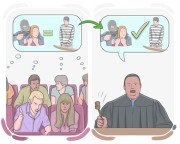
Ex: The helmet protected his skull during the fall. 
Închide
Conectare
to bear out

to confirm a statement or claim by providing evidence

a confirma prin dovezi, a dovedi o afirmație

a confirma prin dovezi, a dovedi o afirmație

Ex: The data bears out the validity of the hypothesis. 

Datele confirmă validitatea ipotezei.

Închide
Conectare
(in|with) relation to
in relation to
[prepoziție]

referring to or concerning a particular topic, subject, or context

în legătură cu, privitor la

în legătură cu, privitor la

Ex: The company issued a statement in relation to the recent allegations, addressing the concerns raised by the public. 

Compania a emis o declarație în legătură cu acuzațiile recente, abordând preocupările ridicate de public.

Închide
Conectare
structure
structure
[substantiv]

a part of a living organism that is made up of cells and is designed to perform a specific function

structură, organ
structură, organ

Ex: The heart is an important structure in the human body. 
Închide
Conectare
particularly
particularly
[adverb]

to a degree that is higher than usual

în special, mai ales

în special, mai ales

Ex: The restaurant is particularly busy on Friday nights. 

Restaurantul este deosebit de aglomerat în serile de vineri.

Închide
Conectare
developed
developed
[adjectiv]

created, built, or improved to a more advanced state

dezvoltat, îmbunătățit

dezvoltat, îmbunătățit

Ex: She presented her research findings at the conference after years of developed study. 

Ea și-a prezentat rezultatele cercetării la conferință după ani de studiu dezvoltat.
Închide
Conectare
to locate
to locate
[verb]

to discover the exact position or place of something or someone

localiza, găsi
localiza, găsi

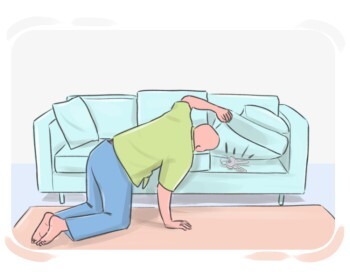
Ex: She is currently locating the nearest gas station on her phone's map. 
Închide
Conectare
ripe
ripe
[adjectiv]

(of fruit or crop) fully developed and ready for consumption

copt, gata de consum

copt, gata de consum

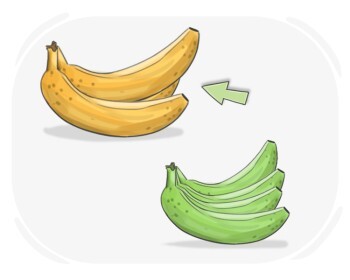
Ex: You can enjoy the natural sweetness of a ripe peach by biting into it and letting the juice drip down your chin. 

Puteți savura dulceața naturală a unei piersici coapte mușcând din ea și lăsând sucul să se scurgă pe bărbie.

Închide
Conectare
thick
thick
[adjectiv]

(of plants) existing and growing densely close together with little space in between, creating a lush and impenetrable area

des, dens

des, dens

Ex: The explorers got lost in the thick forest, unable to find their way out. 
Închide
Conectare
vegetation
vegetation
[substantiv]

trees and plants in general, particularly those of a specific habitat or area

vegetație, floră

vegetație, floră

Ex: The dense vegetation in the tropical rainforest creates a lush canopy that filters sunlight and supports a myriad of wildlife. 

Vegetația densă din pădurea tropicală creează un baldachin luxuriant care filtrează lumina soarelui și susține o multitudine de animale sălbatice.

Închide
Conectare
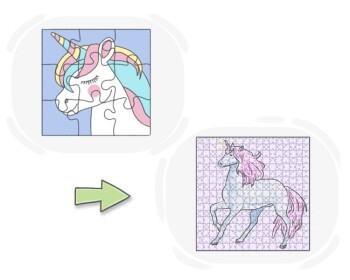
originally
originally
[adverb]

at the initial state, purpose, or condition of something before any changes occurred

inițial, original

inițial, original

Ex: The building originally housed a library before becoming a café. 

Clădirea găzduia inițial o bibliotecă înainte de a deveni un cafenea.
Închide
Conectare
complicated
complicated
[adjectiv]

involving many different parts or elements that make something difficult to understand or deal with

complicat, complex

complicat, complex

Ex: Her feelings for him were complicated, influenced by a mix of emotions. 

Sentimentele ei față de el erau complicate, influențate de un amestec de emoții.

Închide
Conectare
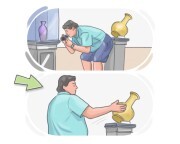
threat
threat
[substantiv]

something that poses danger or the possibility of harm

amenințare, pericol
amenințare, pericol

Ex: The approaching storm was a serious threat to the village. 
Închide
Conectare
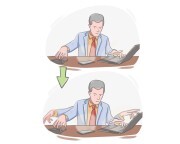
deliberately
deliberately
[adverb]

in a way that is done consciously and intentionally

cu intenție, în mod deliberat

cu intenție, în mod deliberat

Ex: He deliberately ignored the warning signs. 

El a intenționat ignorat semnele de avertizare.
Închide
Conectare
rapidly
rapidly
[adverb]

in a way that is very quick and often unexpected

rapid, cu viteză

rapid, cu viteză

Ex: The river flowed rapidly after heavy rainfall. 

Râul a curs repede după ploi torențiale.

Închide
Conectare
to overrun

to invade or overwhelm with a large number, surpassing defenses

invada, copleși

invada, copleși

Ex: The enemy forces attempted to overrun the border, catching the defenders off guard. 

Forțele inamice au încercat să inunde granița, prinzând apărătorii pe nepregătite.

Închide
Conectare
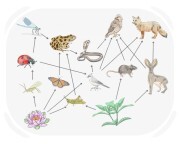
to upset
to upset
[verb]

to disturb or interrupt the normal function or order of something

perturba, deranja
perturba, deranja

Ex: The sudden resignation of the manager upset the entire office dynamic. 
Închide
Conectare
ecology
ecology
[substantiv]

the relation between plants and animals to each other and their environment

ecologie, știința mediului

ecologie, știința mediului

Ex: Ecology helps us understand how human activities impact natural ecosystems. 

Ecologia ne ajută să înțelegem cum activitățile umane impactează ecosistemele naturale.

Închide
Conectare
particular
particular
[adjectiv]

going beyond what is typical or expected

particular, special

particular, special

Ex: She took particular care in preparing the meal for the guests. 

A avut o grijă deosebită în pregătirea mesei pentru oaspeți.

Închide
Conectare
to consume

to eat or drink something

consuma, a mânca sau a bea

consuma, a mânca sau a bea

Ex: Adults should consume plenty of fresh vegetables. 
Închide
Conectare
devastating
devastating
[adjectiv]

causing severe damage, destruction, or emotional distress

devastator, distrugător

devastator, distrugător

Ex: The devastating earthquake left the city in ruins, with many lives lost and homes destroyed. 

Cutremurul devastator a lăsat orașul în ruină, cu multe vieți pierdute și case distruse.

Închide
Conectare
population
population
[substantiv]

a group of organisms of the same species inhabiting a given area

populație

populație

Ex: The island supports a large population of seabirds. 
Închide
Conectare
non-native
non-native
[adjectiv]

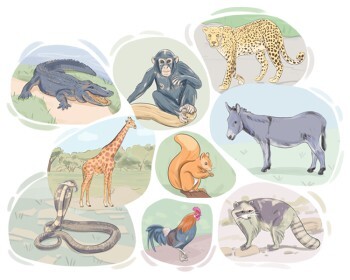
(of plants or animals) not originally from the region or environment where they are found, often introduced from other areas

nenativ, exotic

nenativ, exotic

Ex: The garden is filled with non-native plants that thrive in this climate. 

Grădina este plină de plante neautohtone care prosperă în acest climat.
Închide
Conectare
species
species
[substantiv]

a group that animals, plants, etc. of the same type which are capable of producing healthy offspring with each other are divided into

specie, specii

specie, specii

Ex: The Galapagos finches are a classic example of how different species can evolve from a common ancestor. 

Cinchezii Galapagos sunt un exemplu clasic al modului în care diferite specii pot evolua dintr-un strămoș comun.

Închide
Conectare
LanGeek
Descarcă aplicația LanGeek