
Cambridge IELTS 16 - Академический - Тест 4 - Аудирование - Часть 4
Изучайте лексику из Cambridge IELTS 16 Academic, Test 4 Listening Part 4, и повторяйте полезные слова и выражения из этого раздела тренировочного теста.
Обзор
Флэш-карточки
формы
Правописание
Тест

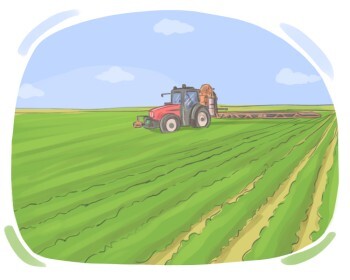
the practice and study of growing crops and raising animals for food or other products

сельское хозяйство
Сельское хозяйство обеспечивает пищей людей по всему миру.

(of a material or substance) to extend or apply evenly across an area or object
покрывать, закрывать
Эта новая краска хорошо покрывает, скрывая все старые пятна и трещины на стене.
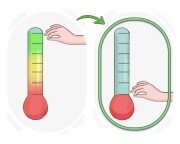
to reduce the amount, size, or number of something
сократить
В попытке сократить расходы компании пришлось сократить свой персонал.
(of a bird or animal) Unable to fly
нелетающий, неспособный летать
Пингвины — это нелетающие птицы, но они отлично плавают в океане.
to reside in a specific place
населять
Пустыня редко заселена из-за сурового климата.
to make something stable, secure, or permanent in a specific place or position
устанавливать, основывать
Они основали свой дом в тихой сельской местности после переезда из города.
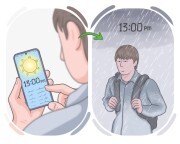
not deserving of trust or confidence
ненадежный
Свидетель оказался ненадёжным в суде.
the parts of the body that are soft and flexible, such as muscles, fat, skin, and organs, not bones or hard structures
мягкая ткань, мягкие ткани
Травма затронула только мягкие ткани, а не кость.
an example of a certain kind of situation
пример
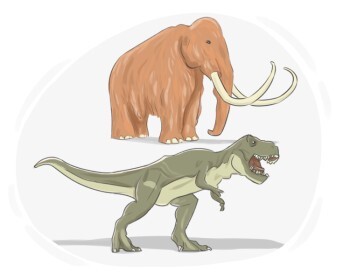
a situation in which a particular animal or plant no longer exists
вымирание

to have a connection with a particular person or thing
упоминать
Символ на древнем артефакте относился к религиозной системе верований, практикуемой древней цивилизацией.

a person who is a member of a ship's crew
моряк
Работа моряка включает в себя обращение с канатами и такелажем.

a type of dried plant with a pleasant smell used to add taste or color to the food
специя
Корица — это универсальная пряность, которую можно использовать как в сладких, так и в солёных блюдах.
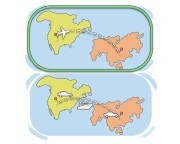
favorable or well-suited for a specific purpose or situation
удобный
Время встречи было удобным для всех участников.

to gather something in large amounts to keep for future use, sale, or for a particular occasion
делать запасы, запасаться
Мы запаслись лекарствами от простуды, салфетками и супом на предстоящий сезон гриппа.

a long journey taken on a ship or spacecraft
рейс
Космическая миссия была историческим путешествием на Международную космическую станцию.
to go and reside in a place as a permanent home
селиться
После многих лет путешествий они решили осесть в тихой деревне в сельской местности.

to establish a fresh entity, such as a company, system, or organization
устанавливать
Она основала благотворительную организацию для поддержки обездоленных детей в сообществе.
any territory under the full or partial control of another more powerful nation, often occupied by settlers from that nation
колония
a person or animal that resides in a particular place
житель, обитатель
В городе проживает более миллиона жителей, что делает его одним из крупнейших в стране.
an item that provides lasting evidence or information about past events, actions, or conditions
запись, архив

to cause something to remain in its original state without any significant change
оберегать
Усилия по сохранению работают на то, чтобы сохранить природные экосистемы и биоразнообразие.
a representative or characteristic sample that is examined or analyzed to gain insights or understanding of a particular group or category
образец
Ученый исследовал образец под микроскопом для исследований.
to no longer be able be found or located, often leading to frustration
исчезать, пропадать
Сара исчезла с вечеринки, не попрощавшись, оставив друзей гадать, куда она отправилась.

a sample, showing what the rest of the data is typically like
пример

someone or something that is being described, discussed, or dealt with
субъект
a detailed record or narrative description of events that have occurred
счет, описание

doing things or moving in a way that lacks control and care, usually causing accidents
неуклюжий
Он известен своей неуклюжей натурой, постоянно спотыкаясь о собственные ноги.
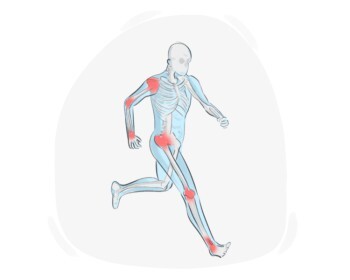
a place in the body where two bones meet, enabling one of them to bend or move around
сустав
Колено - это сложный сустав, который позволяет сгибать и выпрямлять ногу.
to make use of something for a particular purpose
нанимать
Учитель использовал наглядные пособия, чтобы сделать урок более увлекательным.
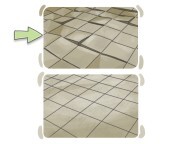
not level, smooth, or uniform in shape or texture
неровный, неравномерный
Пешеходы с трудом шли по неровной земле.

a methodical examination of the whole structure of something and the relation between its components
анализ

the bony structure that surrounds and provides protection for a person's or animal's brain
череп
На уроке анатомии они узнали о разных костях, которые образуют человеческий череп.

to confirm a statement or claim by providing evidence
подтверждать, подкреплять
Данные подтверждают обоснованность гипотезы.
referring to or concerning a particular topic, subject, or context
в связи с, относительно
Компания выпустила заявление в связи с недавними обвинениями, обращаясь к проблемам, поднятым общественностью.
a part of a living organism that is made up of cells and is designed to perform a specific function
структура, орган
Сердце — это важная структура в человеческом теле.

to a degree that is higher than usual
особенно
Ресторан особенно загружен по пятницам вечером.
created, built, or improved to a more advanced state
разработанный
Она представила результаты своего исследования на конференции после многих лет разработанного исследования.

to discover the exact position or place of something or someone
находить, определять местоположение
Используя GPS-координаты, они смогли найти пропавшего туриста в густом лесу.
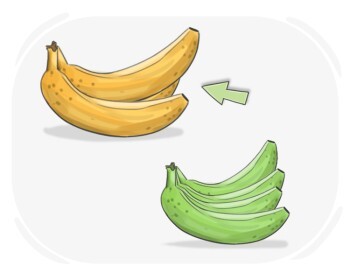
(of fruit or crop) fully developed and ready for consumption
спелый
Вы можете насладиться естественной сладостью спелого персика, откусив его и позволив соку стекать по вашему подбородку.
(of plants) existing and growing densely close together with little space in between, creating a lush and impenetrable area
густой, плотный
Склон был покрыт густым подлеском, кишащим дикой природой.

trees and plants in general, particularly those of a specific habitat or area
растительность
Густая растительность тропического леса создает пышный полог, который фильтрует солнечный свет и поддерживает множество диких животных.
at the initial state, purpose, or condition of something before any changes occurred
изначально, первоначально
Здание первоначально размещало библиотеку, прежде чем стало кафе.
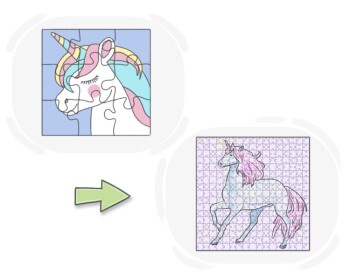
involving many different parts or elements that make something difficult to understand or deal with
сложный
Инструкции по проекту были слишком сложными для выполнения.

something that poses danger or the possibility of harm
угроза
Загрязнение представляет собой серьезную угрозу для морской жизни.

in a way that is done consciously and intentionally
умышленно
Он намеренно проигнорировал предупреждающие знаки.

in a way that is very quick and often unexpected
быстро
Река текла быстро после сильного дождя.

to invade or overwhelm with a large number, surpassing defenses
вторгаться
Вражеские силы попытались захватить границу, застав защитников врасплох.
to disturb or interrupt the normal function or order of something
расстраивать, нарушать
Любые изменения в расписании могут расстроить тщательно спланированный маршрут.
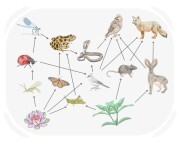
the relation between plants and animals to each other and their environment
экология
Экология помогает нам понять, как деятельность человека влияет на природные экосистемы.
going beyond what is typical or expected
особый, специальный
Она проявила особую заботу при приготовлении еды для гостей.

to eat or drink something
потреблять, есть или пить
После долгого рабочего дня она была готова употребить сытную еду.
causing severe damage, destruction, or emotional distress
разрушительный, опустошительный
Опустошительное землетрясение оставило город в руинах, с множеством погибших и разрушенных домов.
a group of organisms of the same species inhabiting a given area
популяция
(of plants or animals) not originally from the region or environment where they are found, often introduced from other areas
ненативный, экзотический
Сад наполнен неместными растениями, которые прекрасно себя чувствуют в этом климате.
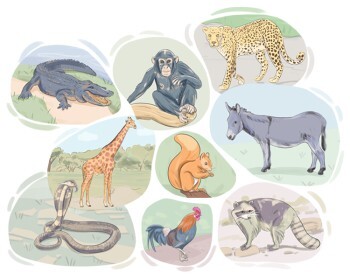
a group that animals, plants, etc. of the same type which are capable of producing healthy offspring with each other are divided into
виды
Галапагосские вьюрки — это классический пример того, как разные виды могут эволюционировать от общего предка.
