
Cambridge IELTS 16 - Akademický - Test 4 - Poslech - Část 4
Zde najdete slovní zásobu z Testu 4 - Poslech - Část 4 v učebnici Cambridge IELTS 16 - Academic, která vám pomůže připravit se na vaši zkoušku IELTS.
Revize
Kartičky
tvary
Pravopis
Kvíz

the practice and study of growing crops and raising animals for food or other products

zemědělství, agronomie
Pokroky v zemědělství zlepšily výnosy plodin.

(of a material or substance) to extend or apply evenly across an area or object
pokrýt, překrýt
Tato nová barva dobře pokrývá, skrývá všechny staré skvrny a praskliny na zdi.
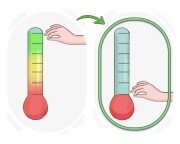
to reduce the amount, size, or number of something
snížit, omezit
Společnost snížila výrobu, aby splnila environmentální cíle.
(of a bird or animal) Unable to fly
neschopný letu, neletící
Dodo byl nelétavý pták, který vyhynul před staletími.
to reside in a specific place
obývat, bydlet
Mnoho druhů ptáků obývá les po celý rok.
to make something stable, secure, or permanent in a specific place or position
založit, ustanovit
Založili svůj domov v klidném venkově po přestěhování z města.
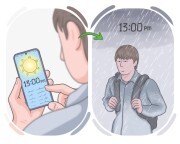
not deserving of trust or confidence
nespolehlivý, nedůvěryhodný
Služba byla během bouřek nespolehlivá.
the parts of the body that are soft and flexible, such as muscles, fat, skin, and organs, not bones or hard structures
měkká tkáň, měkké tkáně
Operace byla provedena pečlivě, aby se předešlo poškození měkkých tkání.
an example of a certain kind of situation
případ, příklad
V případě špatného počasí bude akce odložena.

a situation in which a particular animal or plant no longer exists
vyhynutí

to have a connection with a particular person or thing
odkazovat na, vztahovat se k
Umělcovy malby často odkazují na přírodu a její krásu.

a person who is a member of a ship's crew
námořník, plavčík
Naučil se navigační dovednosti, aby se stal zkušeným námořníkem.

a type of dried plant with a pleasant smell used to add taste or color to the food
koření
Koření jako kurkuma a kmín jsou v indické kuchyni běžné.
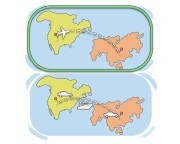
favorable or well-suited for a specific purpose or situation
vhodný, pohodlný
Flexibilní hodiny na klinice jsou pro můj rozvrh velmi vhodné.

to gather something in large amounts to keep for future use, sale, or for a particular occasion
zásobit se, hromadit
Před bouří lidé zásobovali konzervy, vodu a baterie.
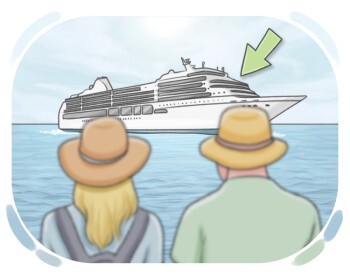
a long journey taken on a ship or spacecraft
cesta, plavba
Dokument popisoval cestu slavného objevitele a objevy učiněné po cestě.
to go and reside in a place as a permanent home
usadit se, usídlit se
Pár se nakonec rozhodl usadit se v malé historické čtvrti, kterou vždy obdivoval.

to establish a fresh entity, such as a company, system, or organization
založit, vytvořit
Po měsících plánování a koordinace podnikatelé konečně založili vlastní společnost pro vývoj softwaru v srdci města.
any territory under the full or partial control of another more powerful nation, often occupied by settlers from that nation
kolonie, území pod kontrolou
a person or animal that resides in a particular place
obyvatel, rezident
Starověké ruiny byly objeveny současnými obyvateli, což vrhalo světlo na bohatou historii oblasti.
an item that provides lasting evidence or information about past events, actions, or conditions
záznam, archiv
Rodný list je úřední doklad o datu a místě narození osoby.

to cause something to remain in its original state without any significant change
uchovat, zachovat
Historické artefakty jsou v muzeích uchovávány, aby byla zachována jejich původní podoba.
a representative or characteristic sample that is examined or analyzed to gain insights or understanding of a particular group or category
vzorek, exemplář
Vzorek vykazoval výrazné charakteristiky, které byly pro studii zásadní.
to no longer be able be found or located, often leading to frustration
zmizet, ztratit se
Zmizela beze stopy a nechala všechny přemýšlet, kam odešla.

a sample, showing what the rest of the data is typically like
příklad, vzorek
Při analýze zpětné vazby zdůraznili několik případů konstruktivní kritiky, přičemž jeden konkrétní komentář vynikl jako příklad celkového sentimentu.

someone or something that is being described, discussed, or dealt with
předmět, téma
Jeho oblíbený předmět ve škole byla historie, protože miloval učení se o minulosti.
a detailed record or narrative description of events that have occurred
účet, vylíčení
Historikův výklad je založen na primárních zdrojových dokumentech.

doing things or moving in a way that lacks control and care, usually causing accidents
neohrabaný, nemotorný
Cítila se trapně kvůli svému nemotornému zakopnutí před svými spolužáky.
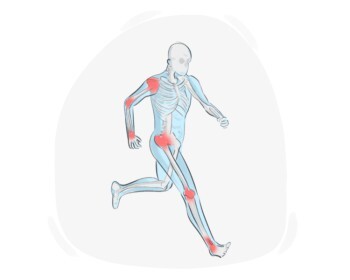
a place in the body where two bones meet, enabling one of them to bend or move around
kloub, spojení
Podstoupil operaci k opravě poškozeného kloubu v palci, čímž obnovil funkčnost a zmírnil bolest.
to make use of something for a particular purpose
používat, zaměstnávat
Využila svou kreativitu k řešení problému inovativním způsobem.
not level, smooth, or uniform in shape or texture
nerovný, nestejnoměrný
Silnice byla příliš nerovná pro pohodlnou jízdu.

a methodical examination of the whole structure of something and the relation between its components
analýza, metodické zkoumání
Inženýr provedl důkladnou analýzu strukturální integrity mostu.
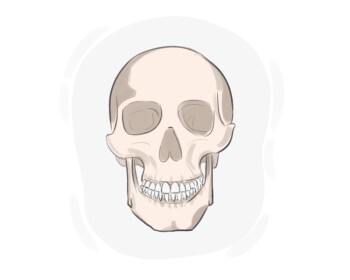
the bony structure that surrounds and provides protection for a person's or animal's brain
lebka, mozkovna
Lebka chrání mozek, jeden z nejdůležitějších orgánů v těle.
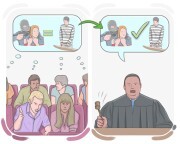
to confirm a statement or claim by providing evidence
potvrdit, podpořit
Můžete potvrdit svá tvrzení důvěryhodnými zdroji?
referring to or concerning a particular topic, subject, or context
ve vztahu k, ohledně
V souvislosti s vašimi obavami ohledně kvality produktu věc důkladně vyšetřujeme.
a part of a living organism that is made up of cells and is designed to perform a specific function
struktura, orgán
Srdce je důležitá struktura v lidském těle.
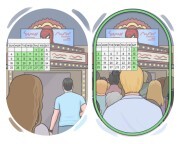
to a degree that is higher than usual
zvláště, obzvláště
Nový zaměstnanec byl obzvláště zdatný v řešení problémů.
created, built, or improved to a more advanced state
vyvinutý, vylepšený
Rozvinutý zdravotní systém poskytuje přístup ke kvalitní lékařské péči pro všechny občany.

to discover the exact position or place of something or someone
lokalizovat, najít
Použila GPS k vyhledání nejbližší čerpací stanice.
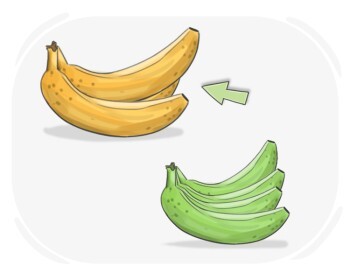
(of fruit or crop) fully developed and ready for consumption
zralý, připravený ke konzumaci
Rajčata byla dokonale zralá, se sytě červenou barvou a pevnou texturou.
(of plants) existing and growing densely close together with little space in between, creating a lush and impenetrable area
hustý, silný
Objevitelé se ztratili v hustém lese a nemohli najít cestu ven.

trees and plants in general, particularly those of a specific habitat or area
vegetace, flóra
Vegetace boreálního lesa, ovládaná stálezelenými jehličnany, se táhne po míle přes severní šířky, s řídkým podrostem kvůli drsnému klimatu.
at the initial state, purpose, or condition of something before any changes occurred
původně, zpočátku
Původně plánovala studovat právo, ale přešla na medicínu.
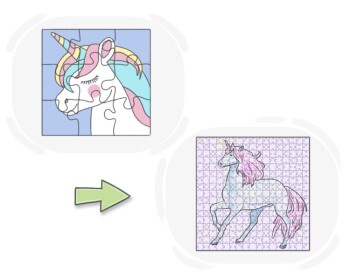
involving many different parts or elements that make something difficult to understand or deal with
komplikovaný, složitý
Právní případ byl komplikovaný, zahrnující četné zákony a předpisy.

something that poses danger or the possibility of harm
hrozba, nebezpečí
Klimatická změna je globální hrozba.
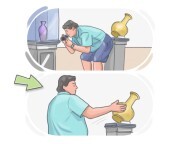
in a way that is done consciously and intentionally
úmyslně, záměrně
Zpráva byla odeslána úmyslně, aby způsobila zmatek.
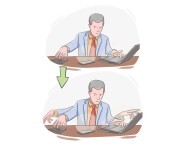
in a way that is very quick and often unexpected
rychle, bystře
Rychle dokončila domácí úkoly před večeří.

to invade or overwhelm with a large number, surpassing defenses
přemoci, zaplavit
Demonstranti chtěli přemoci vládní budovy a požadovali politickou změnu.
to disturb or interrupt the normal function or order of something
narušit, rozvrátit
Jeho rozhodnutí na poslední chvíli narušilo rovnováhu hlasů ve výboru.
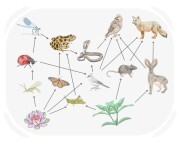
the relation between plants and animals to each other and their environment
ekologie, environmentální věda
Městský rozvoj může výrazně změnit ekologii okolních přírodních oblastí.
going beyond what is typical or expected
zvláštní, speciální
Měla zvláštní způsob organizování svých poznámek, který jí pomáhal efektivně studovat.

to eat or drink something
konzumovat, jíst nebo pít
V útulné kavárně hosté konzumovali teplé nápoje a čerstvě upečené pečivo.
causing severe damage, destruction, or emotional distress
devastující, ničivý
Hurikán měl devastující dopad na pobřežní město.
(of plants or animals) not originally from the region or environment where they are found, often introduced from other areas
nepůvodní, exotický
Místní přírodní rezervace pracuje na ochraně původních druhů před invazí nepůvodních druhů.
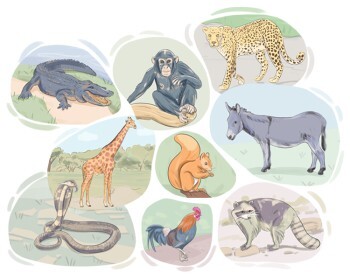
a group that animals, plants, etc. of the same type which are capable of producing healthy offspring with each other are divided into
druh, druhy
Monarcha stěhovavý je druh motýla, který každý rok migruje tisíce mil.
