
Mga Likas na Agham ng SAT - Pisika
Dito matututo ka ng ilang mga salitang Ingles na may kaugnayan sa pisika, tulad ng "sonar", "prism", "diffuse", atbp. na kakailanganin mo upang makapasa sa iyong SATs.
Repasuhin
Flashcards
Pagbaybay
Pagsusulit

(physics) the maximum distance a vibrating material, sound wave, etc. such as a pendulum travels from its first position

amplitude, lawak
Sa pisika, ang amplitude ay tumutukoy sa pinakamataas na pag-aalis ng isang alon mula sa posisyon ng equilibrium nito.
relating to the science of studying sounds or the way people hear things
akustiko, kaugnay ng akustika
Ang mga mananaliksik ay nagsagawa ng mga eksperimentong akustiko upang maunawaan kung paano naglalakbay ang mga sound wave sa iba't ibang materyales.
a technology that uses sound waves to detect objects underwater or measure distances underwater
sonar, deteksyon ng tunog
Ang submarino ay nag-navigate gamit ang sonar upang i-map ang sahig ng karagatan at matukoy ang mga potensyal na hadlang.
a solid geometric shape, typically with a triangular base and rectangular sides, that refracts light into its component colors or alters the path of light
prisma, kristal na mukha
Ang liwanag na dumadaan sa prism ay nag-refract sa isang spectrum ng mga kulay: pula, orange, dilaw, berde, asul, indigo, at violet.
electromagnetic radiation with longer wavelengths than visible light, used for applications such as thermal imaging and remote sensing
infrared, radyasyong infrared
Ang infrared na inilabas ng mga mainit na bagay ay maaaring makita ng mga dalubhasang camera upang lumikha ng mga thermal na larawan.
a type of electromagnetic radiation with shorter wavelengths than visible light, often associated with sunlight and used in various applications
ultraviolet, radiasyong ultraviolet
Protektahan ang iyong balat mula sa ultraviolet rays sa pamamagitan ng pagsusuot ng sunscreen.
the emission of light by a substance that has absorbed light or other electromagnetic radiation
pagliliwanag, fluoresensya
Ang fluorescence ay karaniwang nakikita sa ilang mga mineral na naglalabas ng kumikinang na ilaw sa ilalim ng ultraviolet (UV) na ilaw.
a scientific instrument used to measure and analyze the properties of light over a specific range of wavelengths
espektrometro
Ginamit ng siyentipiko ang isang spectrometer upang suriin ang komposisyon ng hindi kilalang sangkap batay sa pagsipsip nito ng liwanag.
a fundamental particle of light that carries electromagnetic energy and exhibits both particle-like and wave-like properties
photon, kuantum ng liwanag
Ang mga photon ay ang quanta ng electromagnetic radiation, kasama ang visible light, radio waves, at X-rays.
(of physics) to change the direction of light, sound, or energy when it passes through something
ireprakto, ilihis
the bending, spreading, and interference of waves as they encounter obstacles or pass through narrow openings, often observed in the behavior of light, sound, or other waves
difraksyon, difraksyon ng alon
Ang difraksyon ng liwanag ay gumagawa ng mga pattern ng mga salit-salit na madilim at maliwanag na rehiyon kapag nakakatagpo ito ng isang makitid na slit o dumadaan sa isang hadlang.
the fraction or percentage of light or electromagnetic radiation that passes through a substance or medium
transmittance, pagpapadala
Ang transmittance ng salamin ay nagpahintulot sa karamihan ng sikat ng araw na dumaan sa silid.
a measure of how strongly a substance absorbs light at a particular wavelength
molar na absorptivity, koepisyent ng molar na pagsipsip
a range of wavelengths of electromagnetic radiation absorbed by a substance, typically represented as a graph showing absorption intensity versus wavelength
espektro ng pagsipsip, espektro ng absorpsyon
Ginagamit ng mga siyentipiko ang absorption spectrum upang makilala ang mga kemikal na elemento at compound sa pamamagitan ng pagsusuri sa partikular na wavelengths ng liwanag na kanilang sinisipsip.
the branch of physical science that deals with the relationships between heat, work, and energy, particularly the principles governing the conversion of various forms of energy
termodinamika
Ang unang batas ng thermodynamics, na kilala rin bilang batas ng konserbasyon ng enerhiya, ay nagsasaad na ang enerhiya ay hindi maaaring likhain o sirain, lamang ilipat o i-convert mula sa isang anyo patungo sa iba.
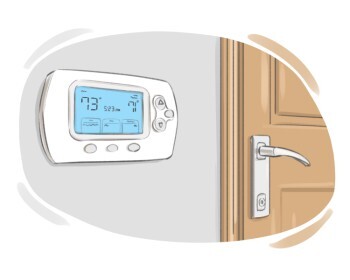
an instrument that automatically controls the temperature of a room, machine, etc.
termostat
Ang matalinong thermostat ay nagbibigay-daan sa iyo na kontrolin ang temperatura nang malayo gamit ang isang smartphone app, na nag-aalok ng kaginhawahan at kakayahang umangkop.
a device used to measure the heat released or absorbed during a chemical reaction or physical change, typically by measuring temperature changes in a surrounding medium
calorimeter, aparato sa pagsukat ng init
Gumagamit ang mga chemist ng calorimeter upang matukoy ang init ng pagkasunog ng isang sangkap sa pamamagitan ng pagsukat sa pagbabago ng temperatura sa tubig na nakapalibot sa isang lalagyan ng reaksyon.
a tool designed to measure the temperature of the surrounding air or environment
termometro, termometro ng kapaligiran
Inilagay ng meteorologist ang thermometer sa may lilim na silungan upang makakuha ng tumpak na pagbabasa ng temperatura ng hangin.
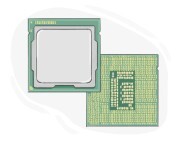
a small piece of material that is a semiconductor, used to make an integrated circuit
microchip, chip
Ang performance ng computer ay bumuti pagkatapos i-upgrade ang microchip nito.

the distance between a point on a wave of energy and a similar point on the next wave
haba ng alon, haba ng isang alon
a theory that explains the relationship between motion, space, and time
relatibidad
Ang relatibidad ay nagpapaliwanag kung bakit kailangang iakma ng mga satellite ng GPS ang kanilang mga orasan dahil sa gravity ng Earth.
(physics) matter consisting of elementary particles that are the antiparticles of those of regular matter
antimaterya, materyang antimaterya
Ang antimatter ay binubuo ng mga antiparticle, na may parehong masa sa kanilang katumbas na mga particle ngunit kabaligtaran na electric charge.
the process of solidification or freezing, typically of a liquid or a substance turning into a solid state due to a decrease in temperature
pagyeyelo, pagsasapin
Ang pagyeyelo ng tubig sa yelo ay nangyayari kapag ang temperatura ay bumaba sa ibaba ng freezing point.

to transform from a liquid or flexible state into a stable, firm, or compact form
patigasin, maging matigas
Habang bumababa ang temperatura, ang natunaw na waks ay nagsimulang maging solid, na bumubuo ng mga kandila na may makinis na ibabaw.
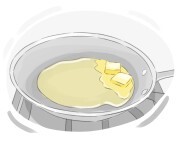
to change from a solid state and become fluid or liquid
tunawin, magpatunaw
Habang tumataas ang temperatura, ang niyebe sa lupa ay nagsimulang matunaw.
relating to particles or forces that exist within atoms, including particles smaller than atoms themselves or the interactions between these particles
subatomiko, mas maliit kaysa sa atomo
Ang mga partikulo na subatomic ay nakikipag-ugnayan sa pamamagitan ng mga pangunahing puwersa, tulad ng elektromagnetismo at ang malakas at mahinang nuclear forces.
a very small, electrically neutral particle that rarely interacts with matter
neutrino, partikulo ng neutrino
Ang mga neutrino ay mga subatomic particle na may napakaliit na masa.
extremely small, typically between 1 and 100 billionths of a meter, where materials show unique properties
nanometrik, sa sukat na nanometro
Ang istrukturang nanoscale ng mga materyales ay maaaring baguhin kung paano sila nagkokondokta ng kuryente.
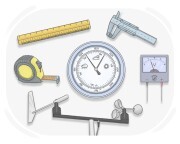
the scientific study of measurement, including the development of measurement standards and techniques
metrolohiya, agham ng pagsukat
Sinusuri at sinasertipiko ng mga laboratoryo ng metrolohiya ang mga instrumento ng pagsukat.
a scientist who applies principles and methods of physics to study biological systems and phenomena, aiming to understand life processes at the molecular and cellular levels
biophysicist, siyentipiko sa biophysics
Ginamit ng biophysicist ang computational modeling upang gayahin ang dynamics ng protein folding sa mga selula.
describing light that spreads evenly from a broad source or surface, creating soft illumination without harsh shadows
kalat, kumakalat
Ang silid ay malumanay na naiilawan ng kalat na liwanag mula sa kisame.
used nuclear fuel that is no longer efficient for producing energy in a reactor
gamit na gasolina, nukleyar na gasolinang nagamit na
the rate at which pressure changes over a certain distance in a particular direction
gradient ng presyon, pagbabago ng presyon
the spatial frequency of a wave, representing the number of wavelengths per unit distance
bilang ng alon, dalas ng espasyo
Ang wave number ng isang light wave sa vacuum ay kinakalkula bilang kabaligtaran ng wavelength nito.
a tiny particle with whole-number spin, such as photons or the Higgs boson, often associated with carrying fundamental forces or giving mass to other particles
boson, partikulo na may buong bilang na ikot
Ang mga photon, mga partikulo ng liwanag, ay mga halimbawa ng boson na nagdadala ng electromagnetic force.
a type of particle accelerator where two opposing beams of particles are directed to collide with each other at high speeds, allowing scientists to study fundamental particles and forces
tagabangga, partikulo na tagabangga
Ang Large Hadron Collider (LHC) ay ang pinakamalaki at pinakamakapangyarihang collider sa mundo, na ginagamit upang galugarin ang pisika ng partikulo.
a simple type of antenna made of two metal rods, connected in the middle, that is half the wavelength of the signal it transmits or receives
dipolo, antenang dipolo
Ang istasyon ng radyo ay gumagamit ng dipole antenna upang mag-broadcast ng mga signal sa isang malawak na lugar.
a fundamental particle with half-integer spin, including electrons and their heavier counterparts, as well as neutrinos
lepton, pangunahing partikulo na may kalahating integer spin
Ang mga lepton ay mga elementaryong partikulo na kinabibilangan ng mga electron, muon, tau particle, at ang kanilang mga kaugnay na neutrino.
