
Vocabulaire Essentiel pour le GRE - Le Conflit
Ici, vous apprendrez quelques mots anglais sur le conflit, tels que "galling", "frisson", "glare", etc., qui sont nécessaires pour l'examen GRE.
Réviser
Flashcards
formes
Orthographe
Quiz

a sudden, intense, and pleasurable feeling of excitement, shiver, fear, or thrill, often accompanied by a tingling sensation on the skin

frisson, sensation forte
Un frisson de peur lui parcourut l'échine dans la maison hantée.
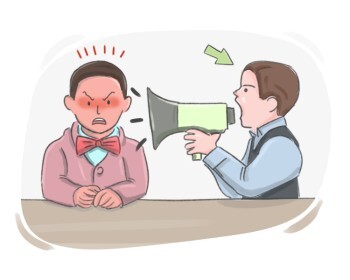
marked by causing irritation and annoyance
agaçant, irritant
Son attitude exaspérante a rendu la réunion insupportable.
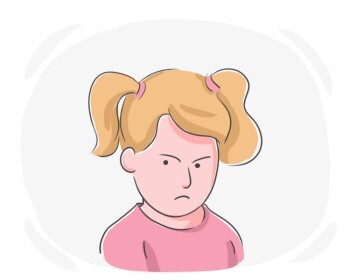
a long, angry, or hostile look
regard noir
to cause someone persistent worry or discomfort
ronger, tarauder
La culpabilité a commencé à ronger après la dispute.

an intense and selfish desire for something such as power and wealth
avarice
Les dirigeants de l'entreprise ont été critiqués pour leur cupidité en prenant de gros bonus tout en licenciant des employés.
extremely quick to show how one feels inside; especially with strong emotions like anger and passion
sanguin, impulsif
Sa réaction sanguine à l'insulte fut immédiate et violente.
to breathe at a very fast pace
hyperventiler, respirer très rapidement
La nouvelle l'a fait hyperventiler de choc et d'incrédulité.
great excitement, anger, or fear that makes someone unable to control their emotions, and as a result, they start laughing, crying, etc.
hystérie
La crise de colère de l'enfant frisait l'hystérie après que son jouet s'est cassé.
displaying intense admiration or devotion that surpasses rationality or reason
idolâtre
Leur adoration idolâtre de la célébrité semblait excessive aux yeux des autres.
a situation or event that causes embarrassment or a loss of respect, particularly when experienced in a public or widespread manner
ignominie
Son plagiat a apporté l'ignominie à l'université.
lacking the ability to be comforted due to being too sad or disappointed
inconsolable
Son chagrin inconsolable était évident dans ses larmes.
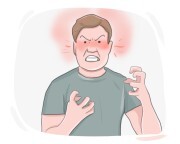
a feeling of anger or annoyance aroused by something unjust, unworthy, or mean
indignation, colère
Il ne pouvait pas cacher son indignation face au traitement partial.
a feeling of self-consciousness, restraint, or a limiting factor that hinders the free expression of one's thoughts, emotions, or actions
inhibition, retenue
La présence de figures d'autorité conduit souvent à une inhibition dans l'expression d'opinions dissidentes.
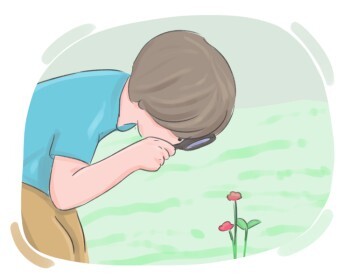
having a desire to learn many different things and asks many questions to gain knowledge or understanding
curieux
Elle est connue pour sa nature curieuse, cherchant constamment de nouvelles informations et expériences.
the quality of being short-tempered
irascibilité, susceptibilité
Elle s'est excusée pour son irascibilité après avoir grondé son ami.
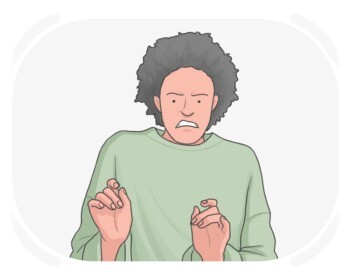
to dislike something or someone very much, often with a sense of disgust
détester, avoir en horreur
Je déteste absolument être coincé dans les embouteillages.

boring because of being the same thing all the time
monotone
Le bourdonnement monotone de la voix du conférencier a endormi de nombreux étudiants pendant la longue conférence.
mentally unbalanced, appearing irrational or dreamy
lunatique, dérangé mentalement
Elle semblait lunatique, perdue dans ses pensées capricieuses.
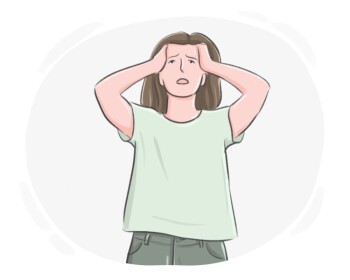
emotionally distressed and worked up
agité
Sa réaction excessive face au petit revers était surprenante.
a state that provokes bitter emotions like pity, regret, or sadness
poignance, émotion amère
La poignance de la lettre a capturé l'essence de l'amour perdu.
showing sadness, typically in a mild manner
plaintif
La mélodie plaintive de la chanson leur a tiré des larmes.
frequently or constantly finding fault and complaining
acariâtre, grincheux
Les gémissements querelleurs de l'enfant ont tapé sur les nerfs de tout le monde.
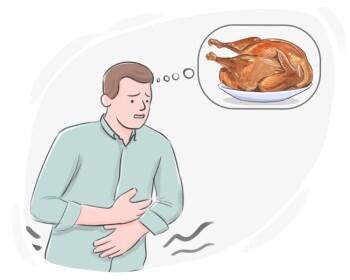
experiencing extreme hunger
affamé
Elle se sentait affamée après l'entraînement intense et a immédiatement attrapé une barre protéinée pour satisfaire sa faim.
the feeling of hatred or disgust toward someone or something
répulsion, dégoût
Ses actions l'ont remplie de répulsion et de colère.
showing sadness and regret inspired by compassion
navré
Il avait l'air contrition quand il a réalisé l'impact de son erreur.

to feel extremely worried and angry internally while trying not to show it externally
bouillir, frémisser
Il bouillonnait silencieusement, sa colère à peine contenue.
having a gloomy atmosphere that reminds one of tombs or graves
sépulcral, funèbre
Le brouillard a créé une atmosphère sépulcrale dans le cimetière.
expressing a strong or sincere feeling that comes from within the heart
profond, émouvant
La performance du danseur était à la fois gracieuse et profonde.
to really confuse someone by giving them information that is too complex or hard for them to understand
stupéfier
Il a été stupéfié par la complexité du document juridique.

having a calm or restrained manner
apaisé, retenu
Sa réaction retenue à la nouvelle a surpris tout le monde; ils s'attendaient à ce qu'il soit plus émotif.
an emotional outburst, usually associated with anger or frustration, that involves screaming, crying, kicking, and sometimes even physical aggression
caprice, crise de colère
Il a fait une crise après avoir perdu le jeu, donnant des coups de pied et criant.
to be in a bad mood and to remain silent and resentful due to feeling upset, angry, or disappointed
bouder, faire la tête
Elle a bouder tranquillement après avoir été exclue de la décision.
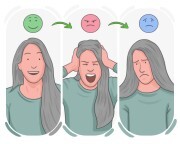
experiencing frequent changes in mood or behavior, often in an unpredictable or inconsistent manner
capricieux, lunatique
L'humeur de l'artiste capricieux pouvait changer radicalement d'un moment à l'autre.
a state of nervousness or fear, anticipating that something bad may occur
appréhension, inquiétude
Entrer dans la forêt sombre et inconnue le remplit de trépidation, incertain des dangers qui s'y cachaient.
(of the voice or body) shaking in a slight, fragile manner, often due to nerves, fear, age or illness
tremblant
Les pas tremblants du vieil homme trahissaient sa fragilité.
having a feeling or desire that is not returned in the same way by another person
non partagé, non réciproque
Son affection non partagée l'a laissé le cœur brisé.
sorrowful in appearance, looking very sad or miserable
accablé, lamentable
Son expression accablée a fait ressentir de la sympathie à tout le monde.
annoyed or irritated, feeling frustrated or troubled
contrarié, irrité
Le service lent au restaurant l'a laissé se sentir vexé.
serious in mood, often reflecting sadness
sombre, mélancolique
Son expression sombre reflétait la gravité des nouvelles.
fully absorbed or captivated by something
ravi
Les enfants ont regardé la performance du magicien avec une fascination captivante, accrochés à chacun de ses mots.
