
Vocabolario Essenziale per il GRE - Alti e bassi
Qui imparerai alcune parole inglesi sul conflitto, come "galling", "frisson", "glare", ecc., che sono necessarie per l'esame GRE.
Revisione
Flashcard
forme
Ortografia
Quiz


a sudden, intense, and pleasurable feeling of excitement, shiver, fear, or thrill, often accompanied by a tingling sensation on the skin

chill
Il film horror ha indotto un brivido di terrore nel pubblico.
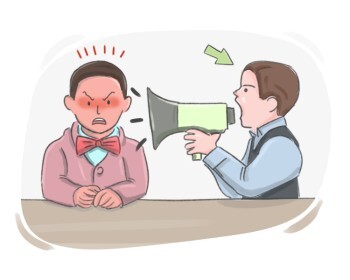
marked by causing irritation and annoyance
irritante
Il suo rifiuto di ascoltare era particolarmente irritante.
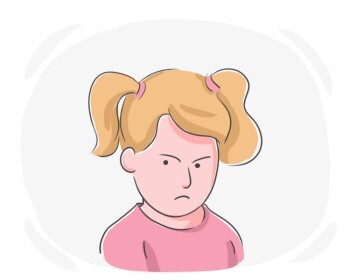
a long, angry, or hostile look
abbagliamento
to cause someone persistent worry or discomfort
rosicchiare
Il pensiero di perdere il lavoro la rode costantemente.

an intense and selfish desire for something such as power and wealth
avidità, ingordigia
Superare l'avidità richiede di coltivare una mentalità di contentezza e generosità.
extremely quick to show how one feels inside; especially with strong emotions like anger and passion
sangue caldo
Era conosciuto per il suo temperamento sanguigno nelle situazioni stressanti.
to breathe at a very fast pace
iperventilato
L'allenamento intenso gli ha fatto iperventilare.
great excitement, anger, or fear that makes someone unable to control their emotions, and as a result, they start laughing, crying, etc.
isteria
Era sull'orlo dell'isteria dopo aver sentito la notizia scioccante.
displaying intense admiration or devotion that surpasses rationality or reason
idolatra
La sua ammirazione idolatrica per il cantante era evidente nella sua stanza piena di poster.
a situation or event that causes embarrassment or a loss of respect, particularly when experienced in a public or widespread manner
ignominia
Il lancio fallito ha portato ignominia all'azienda tecnologica.
lacking the ability to be comforted due to being too sad or disappointed
inconsolabile
Il bambino era inconsolabile dopo aver perso il suo giocattolo preferito.
a feeling of anger or annoyance aroused by something unjust, unworthy, or mean
indignazione
Provò un'ondata di indignazione quando sentì la critica ingiusta.
a feeling of self-consciousness, restraint, or a limiting factor that hinders the free expression of one's thoughts, emotions, or actions
inibizione
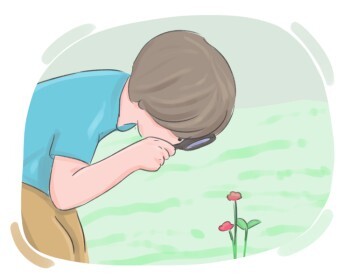
having a desire to learn many different things and asks many questions to gain knowledge or understanding
curioso
Il viaggiatore curioso ama immergersi in culture diverse, desideroso di conoscere nuove usanze e tradizioni.
the quality of being short-tempered
irascibilità
La sua irascibilità era ben nota, facendo sì che gli altri stessero attenti intorno a lui.
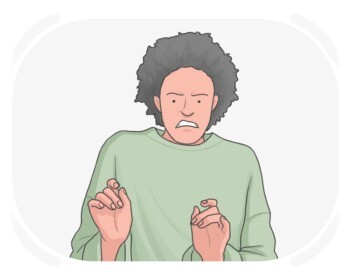
to dislike something or someone very much, often with a sense of disgust
detestare, ripugnare
Lei odia l'idea di lavorare fino a tardi nei fine settimana.

boring because of being the same thing all the time
monotono
I compiti ripetitivi alla catena di montaggio hanno reso il lavoro monotono e poco interessante.
mentally unbalanced, appearing irrational or dreamy
folle
Dopo giorni senza dormire, si è comportato in modo lunatico e confuso.
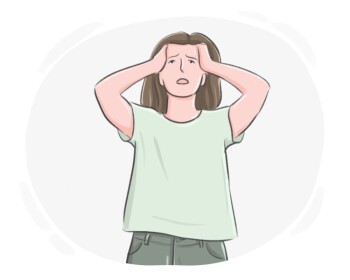
emotionally distressed and worked up
alterato
I genitori sovraccaricati attendevano con ansia notizie sul loro figlio.
a state that provokes bitter emotions like pity, regret, or sadness
intensità
Provò una profonda amarezza nel rivisitare il suo vecchio quartiere.
showing sadness, typically in a mild manner
lamentoso
La sua voce era lamentosa mentre raccontava i suoi ricordi.
frequently or constantly finding fault and complaining
scontroso
La recensione è stata scritta in modo querulo, criticando ogni dettaglio.
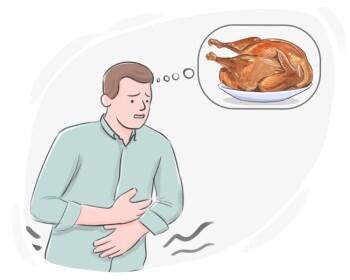
experiencing extreme hunger
famelico
I maratoneti erano affamati dopo aver superato il traguardo e si sono rapidamente diretti verso la tenda del cibo per un pasto.
the feeling of hatred or disgust toward someone or something
repulsione
Parlò con ripugnanza del trattamento disumano degli animali.
showing sadness and regret inspired by compassion
triste
Scosse la testa con un sospiro addolorato, sentendosi dispiaciuto per il suo amico.

to feel extremely worried and angry internally while trying not to show it externally
essere furioso
Era seduta lì, ribollendo di rabbia, ma il suo viso rimaneva impassibile.
having a gloomy atmosphere that reminds one of tombs or graves
sepolcrale
La sua voce assunse un tono sepolcrale quando parlò del passato.
expressing a strong or sincere feeling that comes from within the heart
sentimentale
Il dipinto dell'artista aveva una qualità profonda che affascinava gli spettatori.
to really confuse someone by giving them information that is too complex or hard for them to understand
stupefare
La spiegazione dell'astronomo sui buchi neri ha stupito tutti alla lezione.
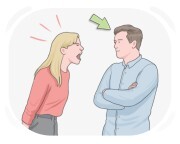
having a calm or restrained manner
sottomesso
Nonostante il caos intorno a lei, è rimasta calma e composta.
an emotional outburst, usually associated with anger or frustration, that involves screaming, crying, kicking, and sometimes even physical aggression
capricci
Il capriccio dello studente ha sconvolto l'intera classe.
to be in a bad mood and to remain silent and resentful due to feeling upset, angry, or disappointed
avvilirsi
Lui ha tenuto il broncio per ore a causa dell'opportunità mancata.
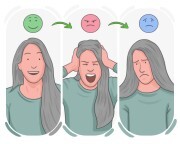
experiencing frequent changes in mood or behavior, often in an unpredictable or inconsistent manner
temperamentali
Il bambino capriccioso faceva capricci quando le cose non andavano come voleva.
a state of nervousness or fear, anticipating that something bad may occur
trepidazione
Le nuvole minacciose sopra di loro riempirono i villici di trepidazione, temendo una tempesta imminente.
(of the voice or body) shaking in a slight, fragile manner, often due to nerves, fear, age or illness
tremante
Ha scritto un biglietto tremulo scusandosi per il malinteso.
having a feeling or desire that is not returned in the same way by another person
non corrisposto
Ha sentito il dolore dell'ammirazione non corrisposta del suo collega.
sorrowful in appearance, looking very sad or miserable
guaebegone
Il bambino addolorato stringeva forte il suo giocattolo rotto.
annoyed or irritated, feeling frustrated or troubled
arrabbiato
Era irritata dalle continue interruzioni durante la sua riunione.
serious in mood, often reflecting sadness
cupo
Ha tenuto un discorso cupo sulle sfide future.
fully absorbed or captivated by something
rapito
Il fotografo ha catturato le espressioni rapite della coppia mentre si scambiavano i voti durante la cerimonia nuziale.
