pattern

Essential Vocabulary for the GRE - Ups and Downs

Here you will learn some English words about conflict, such as "galling", "frisson", "glare", etc. that are needed for the GRE exam.

Review

Flashcards

Forms

Spelling

Quiz

Start learning
Essential Words Needed for the GRE
frisson
frisson
[noun]

a sudden, intense, and pleasurable feeling of excitement, shiver, fear, or thrill, often accompanied by a tingling sensation on the skin
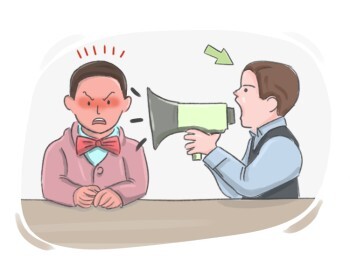
Ex: She felt a frisson of excitement as the concert began. 
Close
Sign in
galling
galling
[Adjective]

marked by causing irritation and annoyance
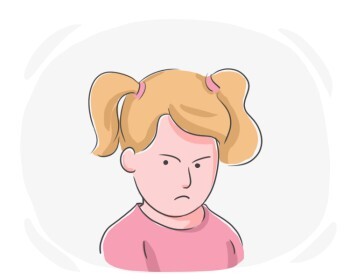
Ex: His galling remarks about her work ethic irritated her. 
Close
Sign in
glare
glare
[noun]

a steady and sharp stare that conveys anger, disapproval, or hostility

Ex: She gave him a glare when he interrupted her. 
Close
Sign in
to gnaw at

to cause someone persistent worry or discomfort

Ex: The fear of failure continues to gnaw at him every day. 
Close
Sign in
greed
greed
[noun]

an intense and selfish desire for something such as power and wealth

Ex: His greed for money led him to make unethical business decisions. 
Close
Sign in
hot-blooded
hot-blooded
[Adjective]

extremely quick to show how one feels inside; especially with strong emotions like anger and passion

Ex: He was a hot-blooded individual who often acted on impulse. 
Close
Sign in
to hyperventilate

to breathe at a very fast pace

Ex: His anxiety caused him to hyperventilate during the exam. 
Close
Sign in
hysteria
hysteria
[noun]

great excitement, anger, or fear that makes someone unable to control their emotions, and as a result, they start laughing, crying, etc.

Ex: The announcement caused mass hysteria among the crowd. 
Close
Sign in
idolatrous
idolatrous
[Adjective]

displaying intense admiration or devotion that surpasses rationality or reason

Ex: He had an idolatrous devotion to his favorite football team. 
Close
Sign in
ignominy
ignominy
[noun]

a situation or event that causes embarrassment or a loss of respect, particularly when experienced in a public or widespread manner

Ex: The politician faced ignominy after the scandal broke. 
Close
Sign in
inconsolable
inconsolable
[Adjective]

lacking the ability to be comforted due to being too sad or disappointed
Ex: She was inconsolable after her dog passed away. 
Close
Sign in
indignation

a feeling of anger or annoyance aroused by something unjust, unworthy, or mean

Ex: Her voice trembled with indignation at the unfair accusation. 
Close
Sign in
inhibition

a feeling of self-consciousness, restraint, or a limiting factor that hinders the free expression of one's thoughts, emotions, or actions
Ex: His fear of public speaking created a strong inhibition that made it challenging for him to address large audiences. 
Close
Sign in
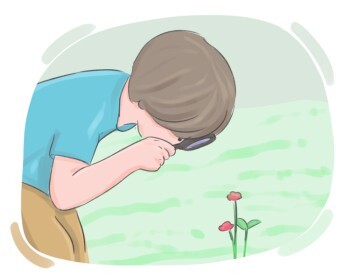
inquisitive
inquisitive
[Adjective]

having a desire to learn many different things and asks many questions to gain knowledge or understanding

Ex: The inquisitive child always has a multitude of questions about how things work. 
Close
Sign in
irascibility

the quality of being short-tempered

Ex: His irascibility made it difficult for his coworkers to approach him. 
Close
Sign in
to loathe
to loathe
[Verb]

to dislike something or someone very much, often with a sense of disgust

Ex: He loathes broccoli and refuses to eat it. 
Close
Sign in
monotonous
monotonous
[Adjective]

boring because of being the same thing all the time

Ex: The endless hours of data entry made her workday feel monotonous and never-ending. 
Close
Sign in
moonstruck
moonstruck
[Adjective]

mentally unbalanced, appearing irrational or dreamy
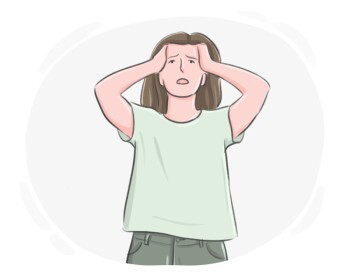
Ex: His moonstruck behavior worried his friends. 
Close
Sign in
overwrought
overwrought
[Adjective]

emotionally distressed and worked up

Ex: She was overwrought after receiving the bad news. 
Close
Sign in
poignancy
poignancy
[noun]

a state that provokes bitter emotions like pity, regret, or sadness

Ex: The film's poignancy left the audience in tears. 
Close
Sign in
plaintive
plaintive
[Adjective]

showing sadness, typically in a mild manner

Ex: She gave a plaintive sigh as she looked out the window. 
Close
Sign in
querulous
querulous
[Adjective]

frequently or constantly finding fault and complaining
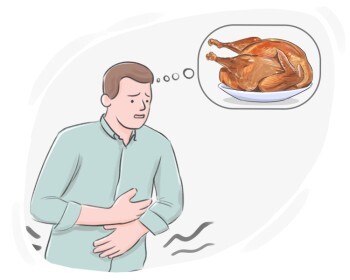
Ex: The querulous customer complained about every dish. 
Close
Sign in
ravenous
ravenous
[Adjective]

experiencing extreme hunger

Ex: The smell of freshly baked cookies made the children ravenous, and they quickly gathered around the kitchen. 
Close
Sign in
revulsion
revulsion
[noun]

the feeling of hatred or disgust toward someone or something

Ex: She felt a deep revulsion at the sight of the rotting food. 
Close
Sign in
rueful
rueful
[Adjective]

showing sadness and regret inspired by compassion

Ex: She gave him a rueful smile after hearing his sad story. 
Close
Sign in
to seethe
to seethe
[Verb]

to feel extremely worried and angry internally while trying not to show it externally

Ex: She seethed with frustration as she listened to the excuses. 
Close
Sign in
sepulchral
sepulchral
[Adjective]

having a gloomy atmosphere that reminds one of tombs or graves

Ex: The abandoned house had a sepulchral feel to it. 
Close
Sign in
soulful
soulful
[Adjective]

expressing a strong or sincere feeling that comes from within the heart

Ex: Her soulful eyes revealed her deep emotions. 
Close
Sign in
to stupefy

to really confuse someone by giving them information that is too complex or hard for them to understand
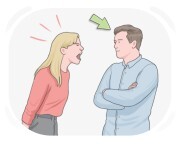
Ex: Her explanation of the advanced math problem stupefied him. 
Close
Sign in
subdued
subdued
[Adjective]

having a calm or restrained manner

Ex: Despite the chaos around her, she remained subdued and composed. 
Close
Sign in
tantrum
tantrum
[noun]

an emotional outburst, usually associated with anger or frustration, that involves screaming, crying, kicking, and sometimes even physical aggression

Ex: The child threw a tantrum when he couldn't have the toy. 
Close
Sign in
to sulk
to sulk
[Verb]

to be in a bad mood and to remain silent and resentful due to feeling upset, angry, or disappointed
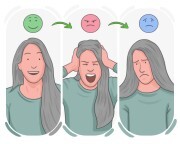
Ex: He decided to sulk in his room after the argument. 
Close
Sign in
temperamental
temperamental
[Adjective]

experiencing frequent changes in mood or behavior, often in an unpredictable or inconsistent manner

Ex: She's so temperamental; you never know how she'll react to any situation. 
Close
Sign in
trepidation

a state of nervousness or fear, anticipating that something bad may occur

Ex: As the deadline approached, she felt a sense of trepidation about the upcoming exam. 
Close
Sign in
tremulous
tremulous
[Adjective]

(of the voice or body) shaking in a slight, fragile manner, often due to nerves, fear, age or illness

Ex: Her voice was tremulous as she delivered the speech. 
Close
Sign in
unrequited
unrequited
[Adjective]

having a feeling or desire that is not returned in the same way by another person

Ex: She suffered from unrequited love for her best friend. 
Close
Sign in
woebegone
woebegone
[Adjective]

sorrowful in appearance, looking very sad or miserable

Ex: She looked woebegone after hearing the disappointing news. 
Close
Sign in
vexed
vexed
[Adjective]

annoyed or irritated, feeling frustrated or troubled

Ex: His vexed expression showed his frustration with the delay. 
Close
Sign in
somber
somber
[Adjective]

serious in mood, often reflecting sadness

Ex: The film's somber tone matched its tragic storyline. 
Close
Sign in
rapt
rapt
[Adjective]

fully absorbed or captivated by something

Ex: She listened to the music with rapt attention, entranced by its beauty. 
Close
Sign in
LanGeek
Download LanGeek app