
500 verbes anglais les plus courants - Top 76 - 100 Verbes
Ici, vous est fournie la partie 4 de la liste des verbes les plus courants en anglais tels que "tourner", "écouter" et "espérer".
Réviser
Flashcards
Orthographe
Quiz
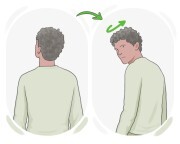
to rotate or shift our body to face a different direction

tourner
Je me tournai pour faire face au miroir et ajustai ma cravate.

to give our attention to the sound a person or thing is making
écouter
Les enfants écoutaient avec admiration tandis que la conteuse déroulait son histoire.

to want something to happen or be true
espérer
Elle espérait qu'il lui pardonnerait pour l'erreur.
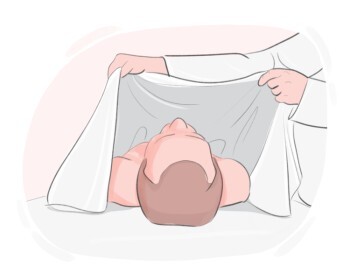
to no longer be alive
mourir, décéder
Le vieux chêne dans le jardin est finalement mort après avoir tenu debout pendant plus d'un siècle.
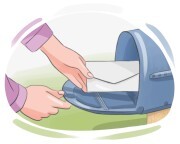
to have a person, letter, or package physically delivered from one location to another, specifically by mail
envoyer
Pouvez-vous envoyer le colis à mon adresse personnelle au lieu du bureau ?

to give a particular impression based on what someone hears or reads
sembler
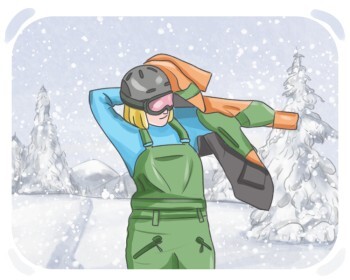
to have something such as clothes, shoes, etc. on your body
porter
Il a porté un costume et une cravate à l'entretien d'embauche pour faire bonne impression.
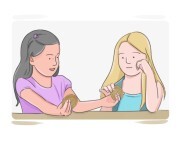
to have, use, or experience something together with another person or group
partager
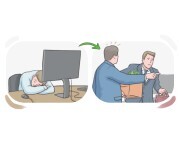
to make something happen, usually something bad
causer, provoquer
Elle a accidentellement causé la brisure du verre.
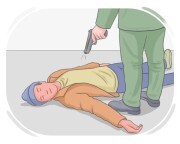
to end the life of someone or something
tuer
Les pesticides sont utilisés en agriculture pour tuer les insectes nuisibles.
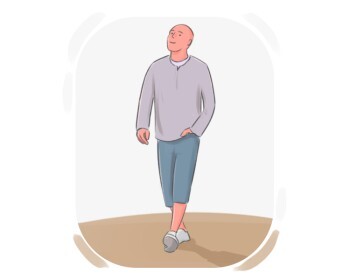
to move forward at a regular speed by placing our feet in front of each other one by one
marcher
Après la forte pluie, il était difficile de marcher sur le chemin boueux.
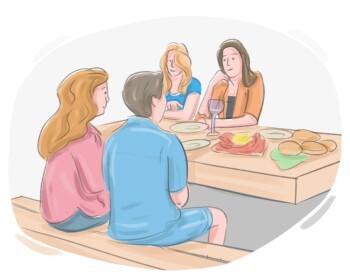
to come together as previously scheduled for social interaction or a prearranged purpose
retrouver
Elle a suggéré de se rencontrer à la bibliothèque pour étudier ensemble.
to estimate or form a conclusion about something without sufficient information to verify its accuracy
deviner
Il a essayé de deviner l'ingrédient mystère dans le plat.
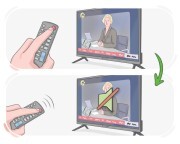
to adjust something to be in a suitable or desired condition for a specific purpose or use
régler
Réglez le minuteur du four sur 30 minutes.
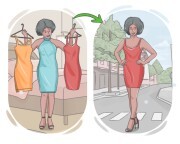
to make a choice or reach a conclusion after considering different possibilities
décider

to bring something to a conclusion or stop it from continuing
terminer
Je vais terminer mon discours par un sincère merci à vous tous.
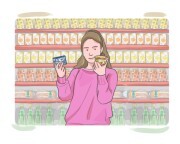
to decide what we want to have or what is best for us from a group of options
choisir
Je n'arrive pas à me décider entre ces deux desserts ; choisis pour moi.

to select or activate something on a digital interface using a mouse or other input device
cliquer (sur)
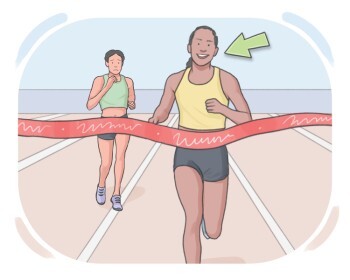
to become the most successful, the luckiest, or the best in a game, race, fight, etc.
gagner
Malgré les défis, ils ont réussi à remporter le contrat.
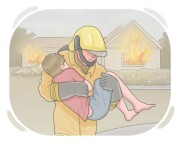
to keep someone or something safe and away from harm, death, etc.
sauver
Nous devons sauver les espèces en voie de disparition de l'extinction.
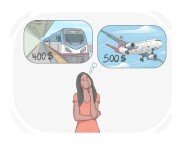
to think about something carefully before making a decision or forming an opinion
considérer, envisager
Il est important de envisager toutes les options avant de choisir.
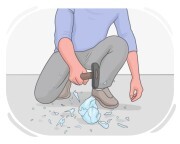
to become damaged and separated into pieces because of a blow, shock, etc.
casser,se briser
L'assiette lui a échappé des mains et s'est brisée en éclats.

to discover information about something or someone by looking, asking, or investigating
vérifier
Laissez-moi vérifier l'horaire des trains pour trouver le prochain départ disponible.
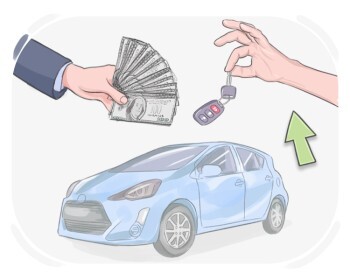
to give something to someone in exchange for money
vendre
Il a vendu son vieux smartphone à son ami pour un prix équitable.
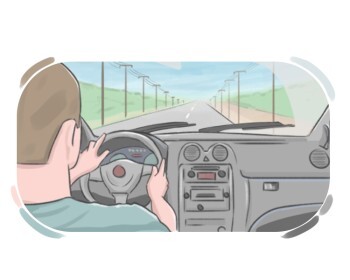
to control the movement and the speed of a car, bus, truck, etc. when it is moving
conduire
Je conduis généralement à l'école, mais aujourd'hui je prends le bus.
