
Le livre Total English - Pré-intermédiaire - Unité 12 - Référence
Ici, vous trouverez le vocabulaire de l'Unité 12 - Référence dans le manuel Total English Pre-Intermediate, comme "réduction", "retirer", "reçu", etc.
Réviser
Flashcards
formes
Orthographe
Quiz
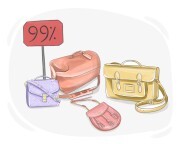
something bought or offered at a price lower than usual or lower than its value

occasion, bonne affaire
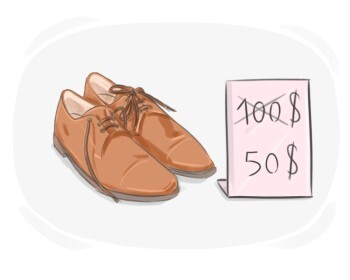
the act of reducing the usual price of something
réduction
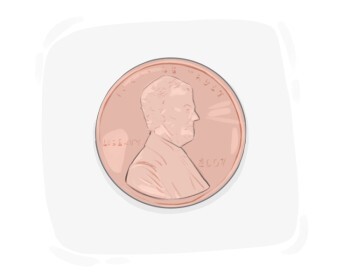
a small, flat piece of metal issued by a government and used as money
pièce de monnaie, pièce
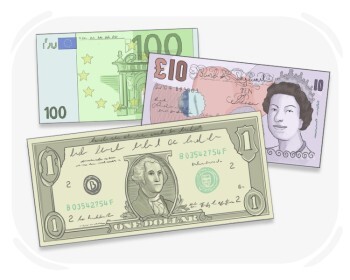
paper money issued by a government or financial institution that is used to buy goods and services
billet, note

a machine, usually located outside a bank or in a public place, where customers can withdraw cash using a bank card or credit card
distributeur automatique de billets, guichet automatique bancaire
Le distributeur automatique le plus proche est juste à l'extérieur du supermarché.

a machine that is used in restaurants, stores, etc. to calculate the overall price of something, store the received money, and record each transaction
caisse, caisse enregistreuse
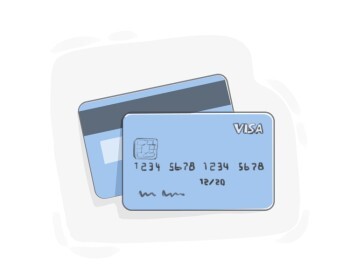
a plastic card, usually given to us by a bank, that we use to pay for goods and services
carte de crédit
Il a oublié de signer au dos de sa carte de crédit.
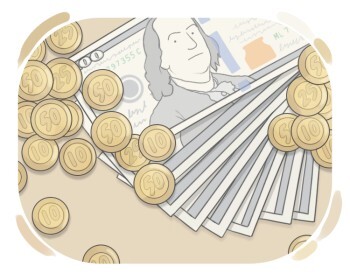
money in bills or coins, rather than checks, credit, etc.
espèces
the type or system of money that is used by a country
monnaie
the value of a country's currency compared to another country's currency
taux de change, cours de change
Lorsque vous voyagez à l'étranger, il est important de vérifier le taux de change pour comprendre combien de monnaie locale vous obtiendrez pour votre argent.
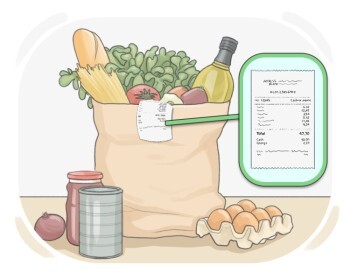
a written or electronic record showing that money, goods, or services have been received or paid for
reçu, ticket de caisse
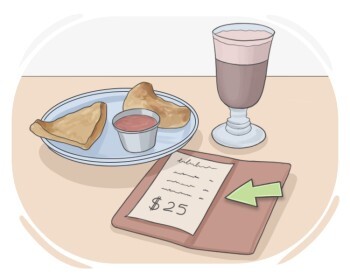
a piece of printed paper that shows the amount of money a person has to pay for goods or services received
addition, note
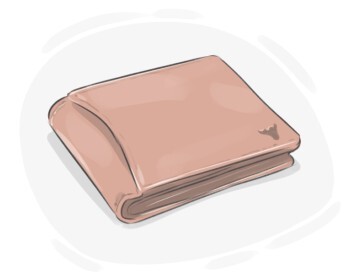
a pocket-sized, folding case that is used for storing paper money, coin money, credit cards, etc.
portefeuille
Il a sorti quelques pièces de son portefeuille pour acheter une collation.
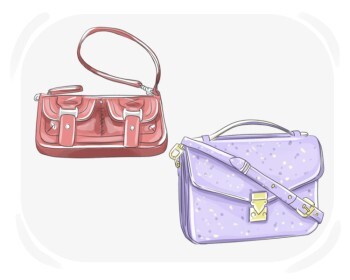
a small bag that is used, particularly by women, to carry personal items
porte-monnaie, sac

to be able to pay the cost of something
s'offrir, se payer, se permettre d'acheter
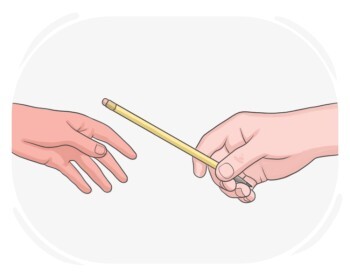
to use or take something belonging to someone else, with the idea of returning it
emprunter
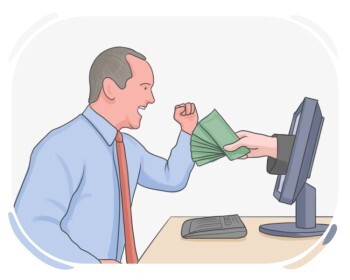
to get money for the job that we do or services that we provide
gagner, mériter
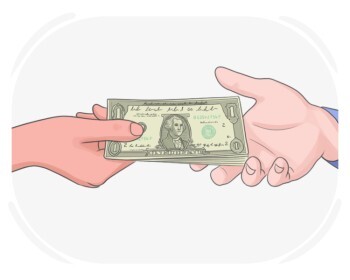
to give something to someone temporarily, expecting them to return it later
prêter
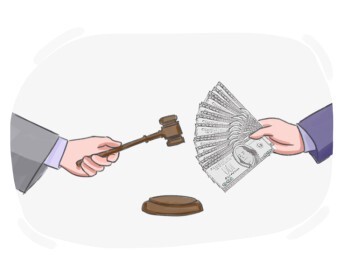
to have the responsibility of paying someone back a certain amount of money that was borrowed
devoir

to keep money to spend later
économiser
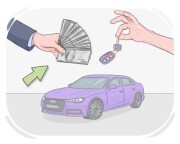
to use money as a payment for services, goods, etc.
dépenser
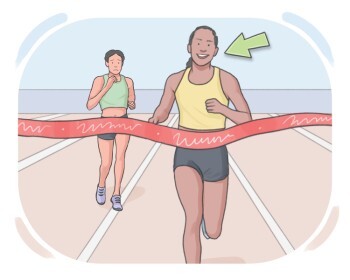
to become the most successful, the luckiest, or the best in a game, race, fight, etc.
gagner
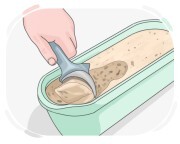
to remove something from a specific location or situation
retirer, enlever
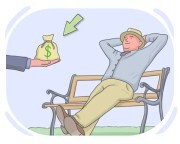
a regular payment made to a retired person by the government or a former employer
pension
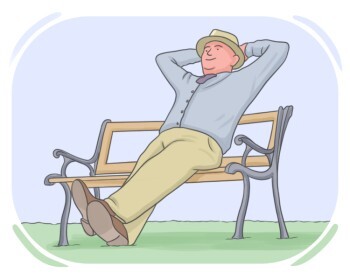
to leave your job and stop working, usually on reaching a certain age
prendre sa retraite
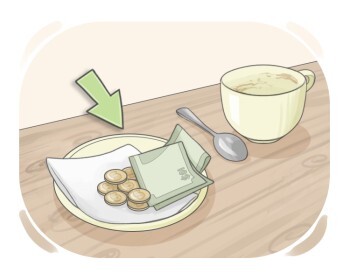
the additional money we give someone such as a waiter, driver, etc. to thank them for the services they have given us
pourboire

the amount of money charged for traveling by bus, train, taxi, plane, or another form of transport
prix du billet, prix du ticket, prix de la course
a sum of money that has to be paid, based on one's income, to the government so it can provide people with different kinds of public services
impôt, taxe
the fee paid for borrowing money, calculated as a percentage of the loan amount over time
intérêt, taux d'intérêt

an amount of money given by the government or another organization for a specific purpose
bourse
a sum of money that is borrowed from a bank which should be returned with a certain rate of interest
emprunt

anything that is given as a reward to someone who has done very good work or to the winner of a contest, game of chance, etc.
prix
a sum of money given by an educational institution to someone with great ability in order to financially support their education
bourse
Ses réalisations académiques lui ont valu une bourse qui couvrait toutes ses dépenses.
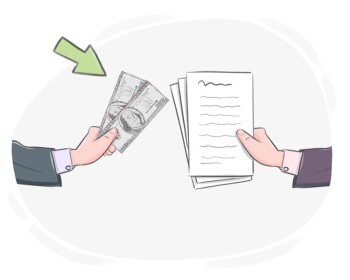
the money that is paid to a professional or an organization for their services
redevance

to participate in something, such as an event or activity
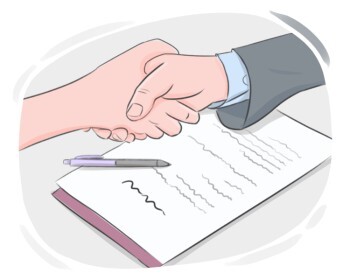
to hold the same opinion as another person about something
être d’accord, s'accorder avec

to tell a person that one is sorry for having done something wrong
présenter ses excuses, faire ses excuses
Il est important de s'excuser si vous blessez accidentellement les sentiments de quelqu'un, même involontairement.
to formally request something, such as a place at a university, a job, etc.
postuler, candidater

to speak to someone often angrily because one disagrees with them
se disputer, se quereller

to be one's property
appartenir à
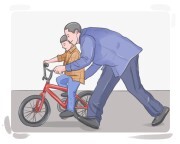
to be based on or related with different things that are possible
dépendre
| Le livre Total English - Pré-intermédiaire | |||
|---|---|---|---|
| Unité 11 - Leçon 1 | Unité 11 - Leçon 2 | Unité 11 - Référence | Unité 12 - Leçon 1 |
| Unité 12 - Leçon 2 | Unité 12 - Leçon 3 | Unité 12 - Référence | |
