
El libro Total English - Pre-intermedio - Unidad 12 - Referencia
Aquí encontrarás el vocabulario de la Unidad 12 - Referencia en el libro de curso Total English Pre-Intermediate, como "descuento", "retirar", "recibo", etc.
Revisión
Tarjetas de memoria
formas
Ortografía
Cuestionario
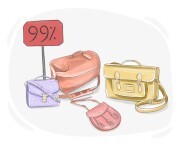
something bought or offered at a price lower than usual or lower than its value

ganga
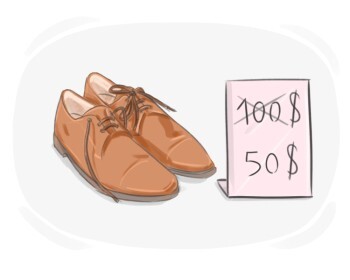
the act of reducing the usual price of something
descuento, rebaja
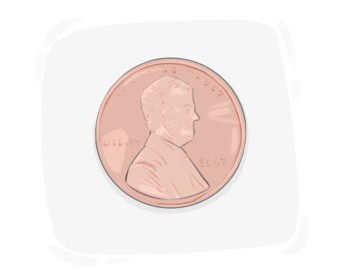
a small, flat piece of metal issued by a government and used as money
moneda
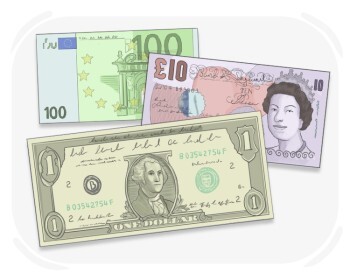
paper money issued by a government or financial institution that is used to buy goods and services
billete, nota

a machine, usually located outside a bank or in a public place, where customers can withdraw cash using a bank card or credit card
cajero automático, cajero
Su tarjeta se atascó en el cajero automático, así que llamó al banco.

a machine that is used in restaurants, stores, etc. to calculate the overall price of something, store the received money, and record each transaction
caja, caja registradora
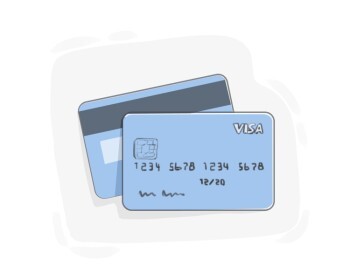
a plastic card, usually given to us by a bank, that we use to pay for goods and services
tarjeta de crédito
Uso mi tarjeta de crédito principalmente para compras en línea.
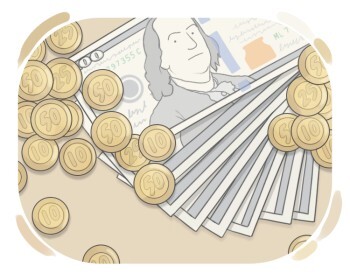
money in bills or coins, rather than checks, credit, etc.
efectivo
the type or system of money that is used by a country
moneda
the value of a country's currency compared to another country's currency
tipo de cambio, tasa de cambio
El tipo de cambio favorable lo convirtió en un momento excelente para que los inversores compren acciones extranjeras.
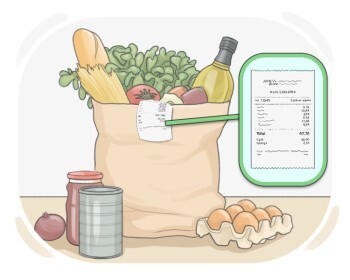
a written or electronic record showing that money, goods, or services have been received or paid for
recibo
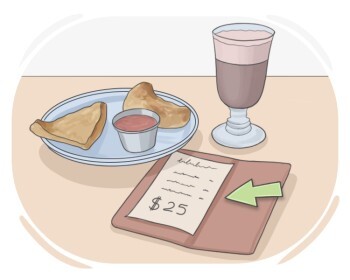
a piece of printed paper that shows the amount of money a person has to pay for goods or services received
cuenta
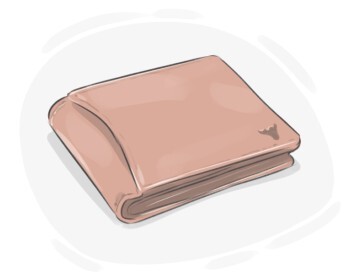
a pocket-sized, folding case that is used for storing paper money, coin money, credit cards, etc.
cartera, billetera
Le robaron su billetera, así que tuvo que cancelar sus tarjetas de crédito.
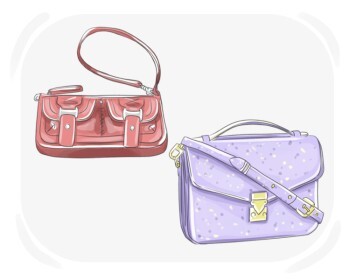
a small bag that is used, particularly by women, to carry personal items
cartera

to be able to pay the cost of something
permitirse
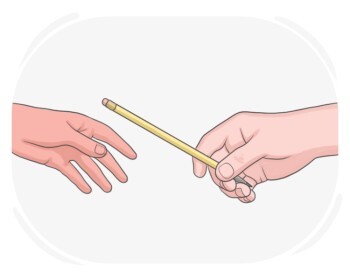
to use or take something belonging to someone else, with the idea of returning it
pedir prestado

to get money for the job that we do or services that we provide
ganar, obtener
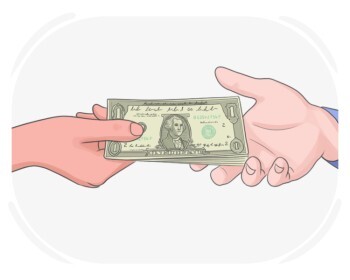
to give something to someone temporarily, expecting them to return it later
prestar, dejar
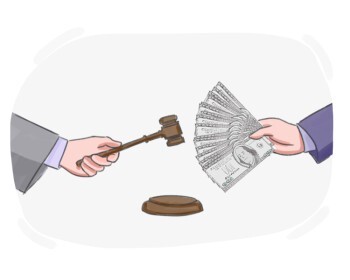
to have the responsibility of paying someone back a certain amount of money that was borrowed
deber, adeudar

to use money as a payment for services, goods, etc.
gastar
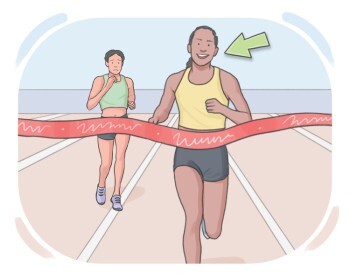
to become the most successful, the luckiest, or the best in a game, race, fight, etc.
ganar
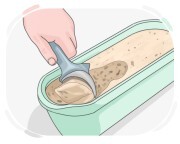
to remove something from a specific location or situation
retirar, quitar
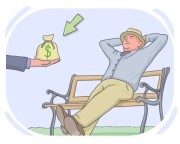
a regular payment made to a retired person by the government or a former employer
pensión
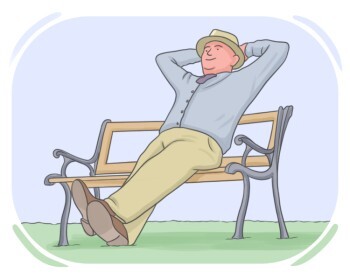
to leave your job and stop working, usually on reaching a certain age
jubilarse
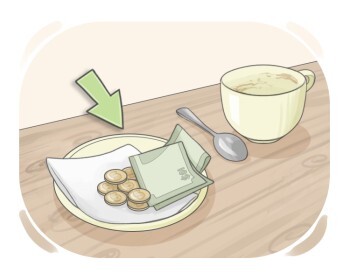
the additional money we give someone such as a waiter, driver, etc. to thank them for the services they have given us
propina

the amount of money charged for traveling by bus, train, taxi, plane, or another form of transport
tarifa
a sum of money that has to be paid, based on one's income, to the government so it can provide people with different kinds of public services
impuesto
the fee paid for borrowing money, calculated as a percentage of the loan amount over time
interés, tasa de interés

an amount of money given by the government or another organization for a specific purpose
beca
a sum of money that is borrowed from a bank which should be returned with a certain rate of interest
préstamo, crédito

anything that is given as a reward to someone who has done very good work or to the winner of a contest, game of chance, etc.
premio
a sum of money given by an educational institution to someone with great ability in order to financially support their education
beca
La beca la ayudó a pagar la matrícula, los libros y la vivienda mientras completaba su título.
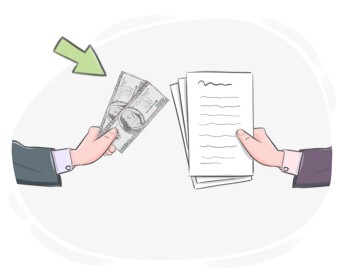
the money that is paid to a professional or an organization for their services
tasa
![to [take] part](https://cdn.langeek.co/photo/60819/thumb/350?type=jpeg "to [take] part")
to participate in something, such as an event or activity

to hold the same opinion as another person about something
estar de acuerdo, concordar
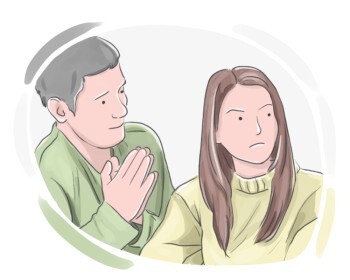
to tell a person that one is sorry for having done something wrong
disculparse, pedir perdón
En un entorno profesional, es común disculparse por cualquier error y asumir la responsabilidad.
to formally request something, such as a place at a university, a job, etc.
solicitar, postular

to speak to someone often angrily because one disagrees with them
argumentar

to be one's property
ser de, pertenecer a
to be based on or related with different things that are possible
depender de
| El libro Total English - Pre-intermedio | |||
|---|---|---|---|
| Unidad 11 - Lección 1 | Unidad 11 - Lección 2 | Unidad 11 - Referencia | Unidad 12 - Lección 1 |
| Unidad 12 - Lección 2 | Unidad 12 - Lección 3 | Unidad 12 - Referencia | |
