
Adjectifs des Attributs Humains Abstraits - Adjectifs de traits personnels négatifs
Ces adjectifs décrivent des qualités ou des comportements indésirables chez les individus, reflétant des traits tels que "malhonnête", "arrogant", "oisif", etc.
Réviser
Flashcards
Orthographe
Quiz

taking great pride in one's abilities, appearance, etc.

vaniteux
Le comportement vaniteux de l'actrice a rendu difficile pour ses co-stars de travailler avec elle.

showing or taking too much pride in one's achievements or accomplishments
suffisant, imbu de soi-même
Elle a eu un regard suffisant après avoir reçu des éloges pour son travail, comme si elle n'attendait rien de moins.

overly satisfied or content with one's current situation or achievements, often to the point of neglecting potential risks or improvements
content de soi, suffisant
Après avoir reçu une promotion, il est devenu complaisant dans son travail, négligeant de poursuivre d'autres opportunités de développement professionnel.

showing a proud, unpleasant attitude toward others and having an exaggerated sense of self-importance
arrogant
Être confiant est bien, mais ne laissez pas cela se transformer en arrogance.
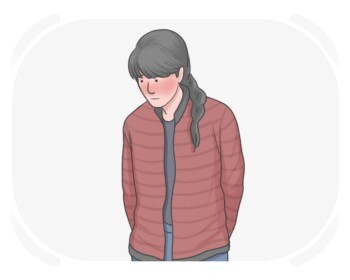
lacking confidence or courage
timide
Le chaton timide se cachait sous le lit chaque fois que des étrangers visitaient la maison.
not fully developed mentally or emotionally, often resulting in behaviors or reactions that are childish
immature
L'entreprise a décidé de ne pas le promouvoir en raison de son attitude immature face à la responsabilité.
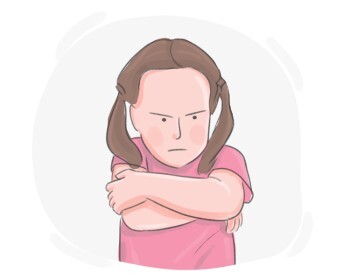
unwilling to change one's attitude or opinion despite good reasons to do so
têtu
Son entêtement à refuser tout compromis a conduit à des disputes fréquentes avec ses collègues.
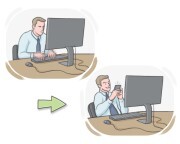
lacking responsibility or purposeful direction
oisif, désoeuvré
Le comportement oisif chez les adolescents peut inquiéter leurs parents.
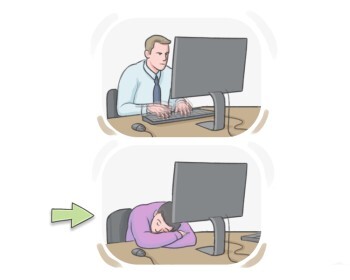
avoiding work or activity and preferring to do as little as possible
paresseux
L'éthique de travail paresseuse de l'employé a entraîné des retards et des évaluations de performance médiocres.
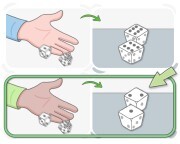
having or bringing bad luck
malchanceux, malchanceuse
J'ai eu la malchance d'être coincé dans les embouteillages pendant des heures aujourd'hui.
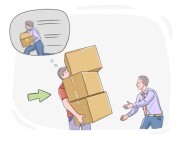
having a distrustful or negative outlook, often believing that people are motivated by self-interest
cynique
Ses remarques cyniques sur la politique reflétaient sa méfiance à l'égard des politiciens et de leurs motivations.
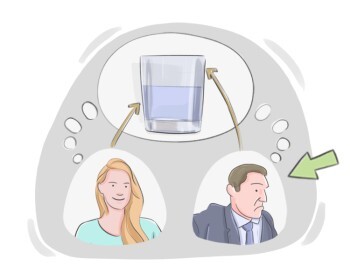
having or showing a negative view of the future and always waiting for something bad to happen
pessimiste
Son attitude pessimiste envers les relations rendait difficile pour elle de faire confiance aux autres.

having an excessive interest in oneself, often accompanied by a lack of empathy for others
narcissique, égocentrique
La célébrité narcissique postait constamment des selfies sur les réseaux sociaux pour nourrir son ego.
unreasonably scared of other people or thinking that they are trying to cause harm
paranoïaque, parano
Il est devenu paranoïaque après avoir lu sur les récents cambriolages dans le quartier, soupçonnant chaque passant d'être un voleur potentiel.
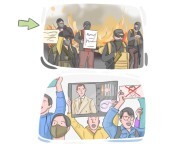
supporting total and extreme social or political changes
radical
holding or promoting extreme opinions in politics, religion, etc.
extrémiste, fanatique
Il était connu pour ses opinions extrémistes sur l'immigration, appelant à l'expulsion de tous les migrants.
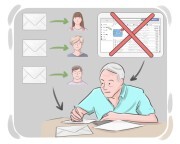
supporting traditional values and beliefs and not willing to accept any contradictory change
conservateur

(of a person) extremely careful with their choices and hard to please
sélectif
Le mangeur difficile a refusé d'essayer quoi que ce soit de nouveau et s'est tenu à une sélection limitée d'aliments.

easily offended, often reacting strongly to perceived slights or criticism
susceptible, sensible
Il a toujours été susceptible à propos de ses réalisations académiques, se sentant mal à l'aise si elles sont remises en question.

displaying excessive attachment or control over people or things they consider their own
possessif, jaloux
La mère possessive surveillait constamment les activités de son enfant, craignant qu'il ne se blesse.
neglecting one's duties or obligations, often causing harm or inconvenience to others
irresponsable
Le conducteur irresponsable a provoqué un accident en envoyant des SMS au volant.
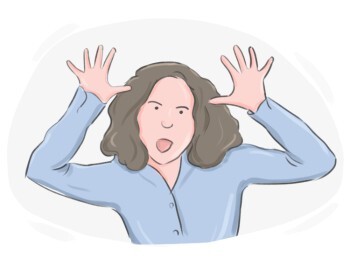
behaving in a way that is immature or typical of a child
enfantin, puéril
Les rires constants de l'adolescent pendant la discussion sérieuse ont été perçus comme puérils par les adultes.

(of a person) behaving in an uncontrollable and irrational manner
déchaîné, sauvage
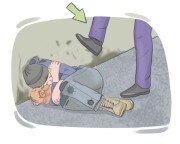
lacking compassion, empathy, or decency, often being cruel or brutal
inhumain
Son mépris inhumain pour la souffrance des autres était évident dans ses remarques insensibles.
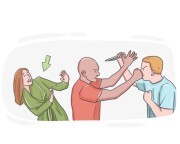
lacking courage, typically avoiding difficult or dangerous situations
låche, couard
Le comportement lâche du soldat a déçu ses camarades.
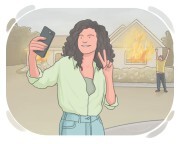
showing or having an insensitive and cruel disregard for the feelings or suffering of others
cruel
Ses remarques insensibles à propos de la tragédie ont démontré un manque d'empathie pour ceux qui ont été touchés.
having an overly high opinion of oneself, often accompanied by a sense of arrogance
fier, orgueilleux
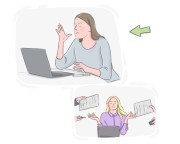
unable to wait calmly for something or someone, often feeling irritated or frustrated
impatient
Le client est devenu impatient, exigeant un service plus rapide de la part du personnel.
