pattern

추상적인 인간 속성의 형용사 - 부정적인 개인 특성의 형용사

이 형용사들은 개인에서 바람직하지 않은 자질이나 행동을 설명하며, "부정직한", "거만한", "게으른" 등의 특성을 반영합니다.

리뷰

플래시카드

철자법

퀴즈

학습 시작
Categorized English Adjectives of Abstract Human Attributes
vain
vain
[형용사]

taking great pride in one's abilities, appearance, etc.

자만심이 강한, 허영심이 많은

자만심이 강한, 허영심이 많은

Ex: He was so vain about his physical appearance that he refused to leave the house without perfect grooming. 

그는 자신의 외모에 대해 너무 자만심이 강해서 완벽하게 단장하지 않고는 집을 떠나기를 거부했다.

닫기
로그인
smug
smug
[형용사]

showing or taking too much pride in one's achievements or accomplishments

자만하는, 건방진

자만하는, 건방진

Ex: The politician's smug attitude turned off voters who were looking for sincerity and humility. 

정치인의 자만심 넘치는 태도는 진실성과 겸손을 찾던 유권자들을 외면하게 만들었다.

닫기
로그인
complacent
complacent
[형용사]

overly satisfied or content with one's current situation or achievements, often to the point of neglecting potential risks or improvements

안주하는, 자만하는

안주하는, 자만하는

Ex: The student's high grades in previous exams made her complacent, causing her to study less for the upcoming test. 

이전 시험에서 학생의 높은 성적은 그녀를 자만하게 만들었고, 다가오는 시험을 위해 덜 공부하게 만들었습니다.

닫기
로그인
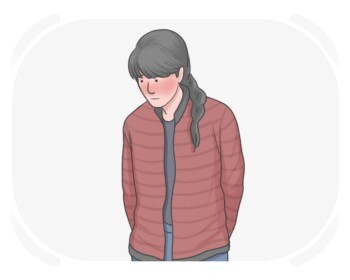
arrogant
arrogant
[형용사]

showing a proud, unpleasant attitude toward others and having an exaggerated sense of self-importance

거만한,  오만한

거만한, 오만한

Ex: Her arrogant demeanor alienated her from her peers, leaving her with few friends. 

그녀의 거만한 태도는 그녀를 동료들로부터 멀어지게 했고, 친구를 거의 남기지 않았다.
닫기
로그인
timid
timid
[형용사]

lacking confidence or courage

소심한, 겁 많은

소심한, 겁 많은

Ex: His timid demeanor made it difficult for him to ask for help when he needed it. 

그의 소심한 태도는 필요할 때 도움을 요청하기 어렵게 만들었다.

닫기
로그인
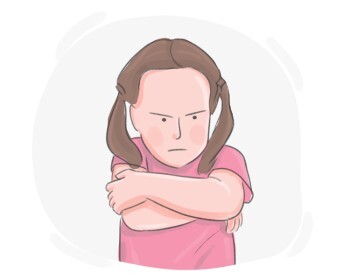
immature
immature
[형용사]

not fully developed mentally or emotionally, often resulting in behaviors or reactions that are childish

미성숙한, 완전히 발달하지 않은

미성숙한, 완전히 발달하지 않은

Ex: Her immature response to criticism showed a lack of emotional maturity. 

비판에 대한 그녀의 미성숙한 반응은 감정적 성숙도의 부족을 보여주었다.
닫기
로그인
stubborn
stubborn
[형용사]

unwilling to change one's attitude or opinion despite good reasons to do so

고집 센, 완고한

고집 센, 완고한

Ex: The stubborn child refused to eat their vegetables, even after being told they were good for them. 

고집 센 아이는 야채가 몸에 좋다고 들은 후에도 먹기를 거부했다.

닫기
로그인
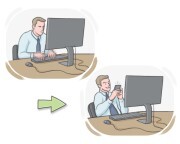
idle
idle
[형용사]

lacking responsibility or purposeful direction

게으른, 한가한

게으른, 한가한

Ex: The manager was frustrated by idle employees who shirked tasks. 

관리자는 업무를 회피하는 한가한 직원들 때문에 좌절감을 느꼈다.

닫기
로그인
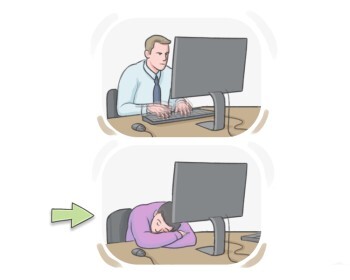
lazy
lazy
[형용사]

avoiding work or activity and preferring to do as little as possible

게으른, 나태한

게으른, 나태한

Ex: Rather than cooking a meal, he opted for takeout because he was feeling too lazy to cook. 

음식을 요리하는 대신, 그는 요리하기 너무 게으르다고 느껴서 테이크아웃을 선택했다.
닫기
로그인
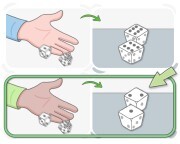
unlucky
unlucky
[형용사]

having or bringing bad luck

불운한, 불길한

불운한, 불길한

Ex: She was unlucky not to be selected for the job. 

그녀는 그 일에 선택되지 않은 것이 불운이었다.

닫기
로그인
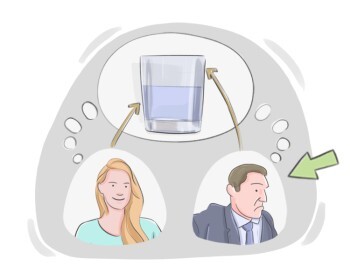
cynical
cynical
[형용사]

having a distrustful or negative outlook, often believing that people are motivated by self-interest

냉소적인, 불신하는

냉소적인, 불신하는

Ex: The cynical old man believed that acts of kindness were merely disguised selfishness. 

냉소적인 노인은 친절한 행동이 단지 위장된 이기심이라고 믿었다.

닫기
로그인
pessimistic
pessimistic
[형용사]

having or showing a negative view of the future and always waiting for something bad to happen

비관적인, 부정적인

비관적인, 부정적인

Ex: He had a pessimistic view of the economy, believing that a recession was imminent. 

그는 경제에 대해 비관적인 견해를 가지고 있었고, 경기 침체가 임박했다고 믿었다.

닫기
로그인
narcissistic
narcissistic
[형용사]

having an excessive interest in oneself, often accompanied by a lack of empathy for others

자기애적인, 이기적인

자기애적인, 이기적인

Ex: She grew tired of his narcissistic personality, always making everything about himself. 

그녀는 그의 자기애적 성격에 지쳤다, 항상 모든 것을 자신에 관한 것으로 만드는.

닫기
로그인
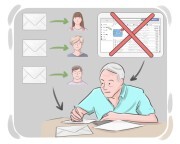
paranoid
paranoid
[형용사]

unreasonably scared of other people or thinking that they are trying to cause harm

편집증의, 의심 많은

편집증의, 의심 많은

Ex: The paranoid patient believed that their doctor was plotting against them, refusing to follow medical advice. 

편집증 환자는 의사가 자신을 음모한다고 믿으며 의료 조언을 따르기를 거부했다.
닫기
로그인
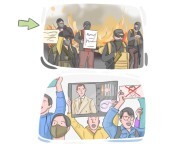
radical
radical
[형용사]

supporting total and extreme social or political changes

급진적인

급진적인

Ex: The party's radical proposal for healthcare reform divided public opinion. 

의료 개혁을 위한 당의 급진적인 제안이 여론을 갈라놓았습니다.

닫기
로그인
extremist
extremist
[형용사]

holding or promoting extreme opinions in politics, religion, etc.

극단주의의

극단주의의

Ex: The extremist faction within the party pushed for drastic measures to be taken against political opponents. 

당 내 극단주의 파벌은 정치적 상대에 대해 과감한 조치를 취할 것을 촉구했다.
닫기
로그인
conservative
conservative
[형용사]

supporting traditional values and beliefs and not willing to accept any contradictory change

보수적인, 전통주의적인

보수적인, 전통주의적인

Ex: The conservative religious group opposed any changes to their traditional practices or doctrines. 

보수적인 종교 단체는 그들의 전통적인 관행이나 교리에 대한 어떠한 변화도 반대했다.

닫기
로그인
picky
picky
[형용사]

(of a person) extremely careful with their choices and hard to please

까다로운, 깐깐한

까다로운, 깐깐한

Ex: He's so picky when it comes to choosing a movie to watch that it takes forever to agree on one. 

영화를 고를 때 너무 까다로워서 하나에 동의하는 데 영원이 걸립니다.

닫기
로그인
touchy
touchy
[형용사]

easily offended, often reacting strongly to perceived slights or criticism

민감한, 예민한

민감한, 예민한

Ex: The touchy employee became defensive when his work was criticized, even if it was constructive feedback. 

예민한 직원은 그의 작업이 비판을 받았을 때 방어적으로 변했는데, 그것이 건설적인 피드백이었더라도.

닫기
로그인
possessive
possessive
[형용사]

displaying excessive attachment or control over people or things they consider their own

소유욕이 강한, 질투하는

소유욕이 강한, 질투하는

Ex: The possessive boss micromanaged every aspect of his employees' work, unwilling to delegate tasks. 

소유욕이 강한 상사는 직원들의 업무 모든 측면을 세세히 관리했고, 업무를 위임하려 하지 않았다.

닫기
로그인
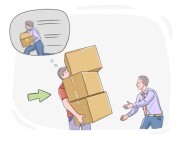
irresponsible
irresponsible
[형용사]

neglecting one's duties or obligations, often causing harm or inconvenience to others

무책임한, 태만한

무책임한, 태만한

Ex: She failed to pay her bills on time, demonstrating an irresponsible approach to financial management. 

그녀는 청구서를 제때 지불하지 못해 재무 관리에 대한 무책임한 접근을 보여주었습니다.

닫기
로그인
childish
childish
[형용사]

behaving in a way that is immature or typical of a child

유치한, 어린애 같은

유치한, 어린애 같은

Ex: Making faces at the teacher behind her back was a childish way of expressing discontent with the lesson. 

선생님 뒤에서 얼굴을 찌푸리는 것은 수업에 대한 불만을 표현하는 유치한 방법이었다.

닫기
로그인
wild
wild
[형용사]

(of a person) behaving in an uncontrollable and irrational manner

통제 불가능한, 야생의

통제 불가능한, 야생의

Ex: The wild child ran around the park, ignoring calls to come back to their parents. 

야생의 아이는 공원을 돌아다니며 부모에게 돌아오라는 부름을 무시했다.
닫기
로그인
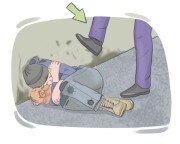
inhuman
inhuman
[형용사]

lacking compassion, empathy, or decency, often being cruel or brutal

비인간적인, 잔혹한

비인간적인, 잔혹한

Ex: The inhuman conditions in the factory violated basic labor rights and standards. 

공장의 비인간적인 조건은 기본적인 노동 권리와 기준을 위반했습니다.

닫기
로그인
cowardly
cowardly
[형용사]

lacking courage, typically avoiding difficult or dangerous situations

겁 많은, 비겁한

겁 많은, 비겁한

Ex: It was a cowardly decision to avoid the challenge instead of facing it. 

도전을 피하는 것은 그것을 직면하는 대신 비겁한 결정이었다.

닫기
로그인
callous
callous
[형용사]

showing or having an insensitive and cruel disregard for the feelings or suffering of others

무감각한, 잔인한

무감각한, 잔인한

Ex: Despite her friend's difficult situation, she remained callous and indifferent to their struggles. 

그녀의 친구의 어려운 상황에도 불구하고, 그녀는 그들의 고군분투에 대해 냉담하고 무관심하게 남아 있었다.

닫기
로그인
proud
proud
[형용사]

having an overly high opinion of oneself, often accompanied by a sense of arrogance

자랑스러운, 오만한

자랑스러운, 오만한

Ex: His proud behavior in meetings alienated colleagues who felt overlooked. 

회의에서 그의 거만한 행동은 무시당한다고 느낀 동료들을 소외시켰다.

닫기
로그인
impatient
impatient
[형용사]

unable to wait calmly for something or someone, often feeling irritated or frustrated

참을성 없는, 성급한

참을성 없는, 성급한

Ex: The kids became impatient after waiting hours for their turn. 

아이들은 자신의 차례를 몇 시간 기다린 후 참을 수 없게 되었습니다.

닫기
로그인
LanGeek
LanGeek 앱 다운로드