
Mga Kasanayan sa Salita ng SAT 6 - Leçon 11
Réviser
Flashcards
formes
Orthographe
Quiz

to curse or condemn someone with great intensity or severity

maudire, jeter un sort à
Il maudit son ancien ami après leur trahison, lançant des malédictions sur eux dans sa colère.
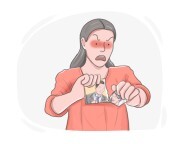
to feel irritated, angry, or displeased about something
en vouloir à
Il en veut à son collègue d'avoir pris le crédit de ses idées pendant la réunion.
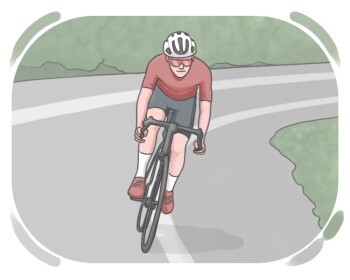
to propel and operate a bicycle or other pedal-powered vehicle
pédaler
Les enfants ont pédalé avec enthousiasme sur leurs vélos le long du chemin sinueux du parc.
to write or sign a personalized message or dedication, often signed, inside a book or another item intended as a gift to someone
inscrire, marquer
Avant de donner le livre de cuisine à sa mère, elle a inscrit un message chaleureux sur la page de garde.
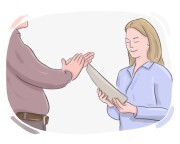
to praise someone or something enthusiastically and often publicly
proclamer, reconnaître
La communauté a acclamé le philanthrope pour ses contributions généreuses aux œuvres caritatives locales.
to behave in a way that lowers the dignity or respect of oneself or others
rabaisser, humilier
Le politicien rabaissait son adversaire lors d'un débat houleux.
to make up for a past offense or mistake by doing something good or beneficial
racheter, expier
Il a expier ses méfaits passés en faisant des dons importants à des œuvres caritatives.
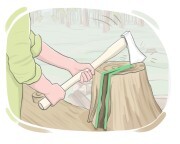
to cut something by striking it with an axe or similar tool
tailler, couper
Dans les temps anciens, les gens taillaient des bûches pour construire des structures en bois solides.
to express one's discontent or dissatisfaction in an annoying manner
se plaindre
Elle a tendance à se plaindre chaque fois qu'elle doit faire des tâches ménagères.
to give birth to puppies or young dog
mettre bas
to attach or fasten something to another object or surface
coller à
Il a fixé le panneau à la porte avec des vis hier.
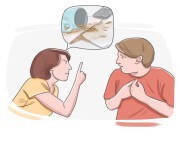
to strongly criticize someone for their actions or words
réprimander
Le professeur a réprimandé l'élève pour avoir triché à l'examen la semaine dernière.
to waver or hesitate in making a decision or taking action
hésiter
Il a hésité pendant des heures avant de finalement faire un choix, ce qui lui a fait manquer la date limite.
to prevent or restrict the progress, occurrence, or development of something
inhiber
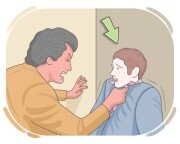
to turn pale, especially in response to fear, shock, or surprise
blêmir
La silhouette fantomatique dans la ruelle sombre les fit pâlir de peur.

to regard someone or something in a particular way
considérer
to pillage, plunder, or devastate a place or area through a sudden and violent attack
ravager, dévaster
La semaine dernière, une bande de pirates a ravagé la ville côtière, laissant la destruction dans leur sillage.

to claim or suggest something, often falsely or without proof
prétendre
Le site web prétend offrir des offres exclusives, mais beaucoup d'entre elles ne sont pas authentiques.
