
Vocabulaire Essentiel pour l'Examen SAT - Mots Littéraires
Ici, vous apprendrez quelques mots littéraires anglais, tels que "connive", "pathos", "semblance", etc., dont vous aurez besoin pour réussir vos SATs.
Réviser
Flashcards
formes
Orthographe
Quiz

an ability or skill that has been developed through training or practice

acquisition, compétence
L'acquisition de compétences en prise de parole en public a transformé sa confiance sur scène.
knowledgeable or skilled in a particular field or activity, typically as a result of experience or study
versé, expérimenté
Il est très versé dans les langages de programmation informatique, ce qui fait de lui un développeur très recherché.

very courageous and not afraid of situations that are dangerous
intrépide
Face à de nombreux dangers, le intrépide pompier a sauvé des vies sans hésitation.
the quality of being foolishly or rudely bold
témérité
Sa témérité l'a conduit à critiquer ouvertement le leader très respecté.
fair in judgment or treatment
impartial, équitable
L'approche équitable du manager en matière d'évaluations des employés favorise un environnement de travail positif.
condemned to suffer or face misfortune as a result of supernatural punishment
maudit, fichu
La maudite sorcière a maudit le royaume avec un hiver éternel.
hard to manage or endure
difficile, pénible
La charge de travail épuisante l'a laissée épuisée à la fin de la semaine.
demanding or requiring a considerable amount of effort and energy to deal with
épuisant, exténuant
Préparer les examens finaux peut être extrêmement éprouvant pour les étudiants.
the clothes or attire that someone wears, often chosen for a specific occasion or purpose
tenue, costume
Le costume traditionnel de mariage dans cette culture comprend des broderies complexes et des couleurs vibrantes.
a group of people organized together because they share similar interests or goals
ordre, confrérie
yarn or fabric with mixed colors that create muted greyish shades, often with flecks of other colors
tweed, mélange de couleurs
a tightly packed or clustered group or mass
un groupe serré, une masse compacte
Un groupe d'arbres fournissait de l'ombre près du lac.
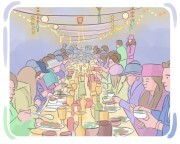
a meal with fine food, typically for many people, celebrating a special event
festin, gueuleton, banquet
Le dîner de Thanksgiving est un festin traditionnel aux États-Unis.
a short, thick, coarse hair growing naturally on an animal or person
poil
Il sentit les soies de son menton non rasé.
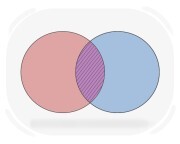
a collection of different kinds of items gathered together without any particular order
divers, varié
Elle a trouvé divers vêtements dans le panier à linge, y compris des chaussettes, des chemises et des jeans.
a relatively small degree of a good and desirable thing
un minimum de
Le restaurant offre un minimum de charme, mais le service pourrait être amélioré.
to manage or take care of a situation, task, or responsibility successfully
s'occuper de, prendre en charge
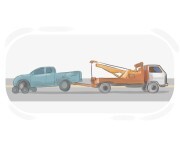
to be pulled or dragged along behind someone or something
traîner
a person who regularly enjoys drinking alcohol, often seen indulging in social settings
buveur, noceur
Le pub local attire de nombreux buveurs qui apprécient sa large sélection de vins.

a feeling of long-lasting sadness that often cannot be explained
mélancolie
La beauté du coucher de soleil l'a rempli d'un sentiment de mélancolie, lui rappelant les opportunités perdues.
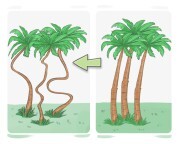
deviating from what is considered conventional or expected
étrange, bizarre
Toute la situation semblait étrange, laissant tout le monde perplexe.
lacking freshness or excitement due to overuse, age, or repetition
éventé, rassis
Les sujets de leur conversation sont devenus éculés, manquant de l'excitation qu'ils avaient autrefois.
showing a formal stiffness, often without a natural flow
guindé, contraint
La conversation de la fête est devenue guindée lorsqu'ils ont manqué de sujets à discuter.
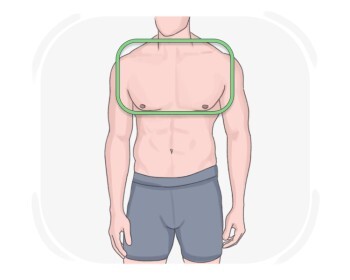
a person's chest
poitrine
Il portait fièrement une médaille sur son poitrine, près de son cœur.
the forward part of a ship or boat, typically pointed and leading ahead through the water
proue, étrave
Il se tenait à la proue du bateau, profitant de la vue sur la côte qui approchait.
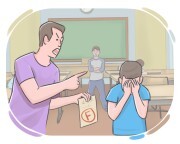
to make someone feel uneasy and ashamed
embarrasser
L'adolescent timide était facilement confus par la moindre attention ou examen.
to secretly cooperate or conspire with others, typically to commit wrongdoing or deceit
comploter, être de connivence
L'année dernière, les entreprises rivales ont comliqué pour fixer les prix et éliminer la concurrence.
(law) a man who guarantees another person's obligation by signing a bond
garant, caution
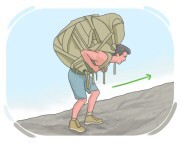
to move clumsily or struggle while walking
se débattre, patauger
L'athlète blessé a essayé de se débattre pour quitter le terrain, boitant visiblement à chaque pas.
a large crowd of people gathered closely together
foule
Vers midi, une foule s'était formée autour de l'artiste de rue.
to search a place thoroughly, often in a rough or disorderly manner, especially with the intention of stealing or causing damage
fouiller, saccager
Les manifestants ont saccagé les bureaux du gouvernement, détruisant des documents et du matériel.

to express one's disagreement, refusal, or reluctance
rechigner
Le membre du comité a émis des réserves sur le budget proposé, exprimant des inquiétudes quant à sa faisabilité.
to approach or address someone aggressively or boldly, often with an intent to engage in conversation
aborder, accoster
Elle m'a abordé hier, demandant des indications pour le plus proche arrêt de bus.
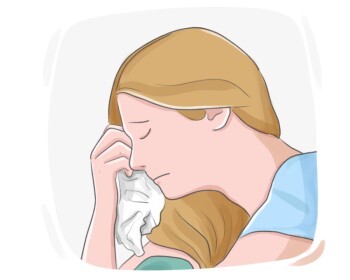
the state of being unhappy and despairing
découragement
La perte de son emploi l'a plongée dans un profond sentiment de découragement, ne sachant pas comment aller de l'avant.
characterized by remarks or actions that diminish or belittle something's value or significance
dépréciatif, dénigrant
L'attitude dépréciative envers les méthodes traditionnelles a entravé les progrès dans la recherche.
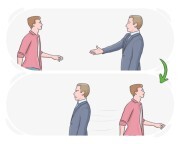
to treat someone disrespectfully by showing a lack of attention or consideration
dédaigner, ignorer délibérément

a large stack of wood used for burning the body of a dead person at a funeral
bûcher funéraire
Traditionnellement, les corps étaient placés sur un bûcher à côté de la rivière.
a feeling of happiness, joy, or amusement
hilarité, rires
Une vague de joie a balayé le public pendant le numéro hilarant de l'humoriste.
to sing in a soft, gentle, and melodious manner, often with a sentimental or romantic tone
fredonner, murmurer une chanson
Le chanteur a chanté doucement une chanson d'amour qui a captivé tout le public.
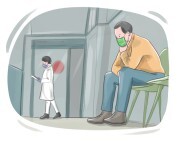
to wait for something or someone
attendre
in a manner lacking energy, enthusiasm, or interest
sans énergie, avec nonchalance
Il regardait par la fenêtre sans entrain, en regardant la pluie.
impressive and great in size
majestueux, imposant
Le navire majestueux a navigué dans le port, sa taille massive et son design élégant captivant l'attention des spectateurs.
to travel or proceed on a course, especially slowly or indirectly
se diriger, cheminer
La rivière serpente à travers la vallée, créant un paysage pittoresque.
to fail to be successful or make any progress
languir, traîner en longueur
Sans soutien et ressources appropriés, de nombreux étudiants talentueux périssent dans des écoles sous-financées.
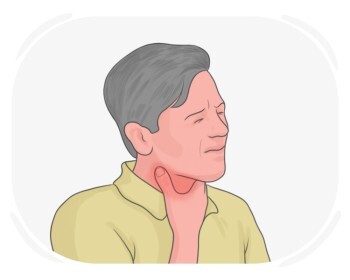
to show a facial expression that signifies shame or pain
grimacer
Elle grimaça à la douleur aiguë dans sa cheville après l'avoir tordue sur le trottoir inégal.
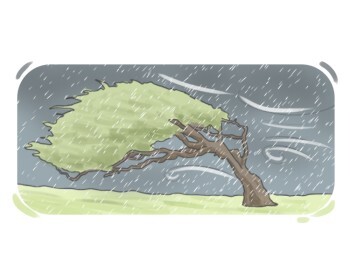
a strong and violent storm characterized by high winds, heavy rain, thunder, and lightning
tempête, orage violent
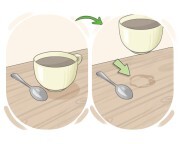
an indication or evidence of the former presence or existence of something
trace, vestige
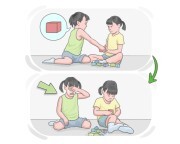
(of a person) displaying a childish behavior due to being treated very well or having been given everything they desired in the past
gâté, pourri
Son comportement gâté au restaurant était embarrassant, alors qu'il faisait une crise parce que son repas n'était pas parfait.
related to a state of intense or suppressed anger that is simmering beneath the surface, often not openly expressed
coulant, brûlant
Elle pouvait sentir la rancœur latente dans la pièce après la dispute.

reckless and willing to do dangerous things
casse-cou, risque-tout
En tant que cascadeuse téméraire, elle repousse continuellement les limites du danger dans ses numéros.
a pleasant shady place under trees or climbing plants in a garden or wood
tonnelle, berceau de verdure
Le couple a échangé des vœux dans un bosquet romantique orné de fleurs.
to isolate or separate something or someone from outside influence or contact
isoler, mettre à part
Les membres du jury ont été séquestrés pendant le procès très médiatisé pour s'assurer qu'ils n'étaient pas influencés par des facteurs externes.
in a manner that is dishonorable, mean, or morally low
bassement, de manière ignoble
Elle a été accusée d'avoir agi bassement en s'attribuant le mérite du travail de son collègue.
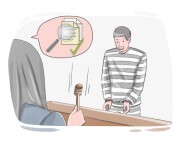
to officially decide and declare in a law court that someone is not guilty of a crime
acquitter
Le jury a décidé à l'unanimité d'acquitter l'accusé en raison d'un manque de preuves.
permission or authorization to do something
permission, autorisation
to directly address someone or something in a passionate or emotional manner
apostropher, interpeller
L'orateur a apostrophé la foule, les exhortant à se lever et à exiger un changement.
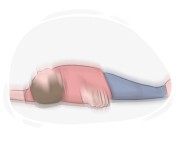
to lose consciousness temporarily, often due to strong emotion, heat, or exhaustion
s'évanouir, tomber dans les pommes
Il s'évanouit quand il a vu sa célébrité préférée en personne.
a circular arrangement of flowers, leaves, or other materials, often used as a decoration or tribute
couronne, guirlande
La mariée portait une couronne de roses magnifique en descendant l'allée.
to spoil, harm, or destroy something, such as a plant, crop, or place, typically due to disease, pests, or unfavorable conditions
gâcher, ruiner, briser
La maladie a ravagé tout le verger, le laissant stérile pendant des années.
(of a law, regulation, rule, etc.) extremely limiting and strict
strict, rigoureux
Le gouvernement a imposé des mesures strictes pour contrôler la propagation du virus.
the leftover plant material, like seed coverings and bits of stem or leaves, remaining after crops are harvested
chaume, étoupe
Les chaumes du champ de maïs couvraient le sol.
a quality that evokes deep emotions, particularly feelings of pity, sorrow, or empathy
pathos
La peinture possédait un pathos profond, capturant l'essence de la souffrance humaine.
describing someone or something having qualities associated with prophecy or foresight
prophétique, visionnaire
Ses rêves vatic offraient souvent des aperçus étranges d'avenirs possibles.
used to indicate that something will happen or be done soon, without delay
bientôt, sous peu
Le réparateur a dit qu'il arriverait bientôt pour réparer l'appareil cassé.
a large, imposing building, especially one that is impressive in size or appearance
édifice
L'édifice gouvernemental abritait des bureaux pour divers départements.
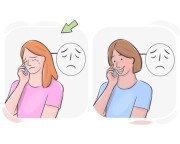
to clearly express or show a feeling, quality, or attitude through words, actions, or appearance
manifester, montrer, faire preuve de
L'enfant a manifesté de la peur lorsque l'orage a commencé.
a condition or situation that is similar or only appears to be similar to something
semblant
Malgré le chaos, l'équipe a maintenu une apparence d'ordre pendant l'urgence.
in a manner that lacks good judgment or discretion
imprudemment, sans jugement
Le projet a échoué parce qu'ils ont géré les fonds injudicieusement.
wearing clothes, especially in a particular manner or material
vêtu, habillé
Elle était vêtue d'un pull chaud et d'un jean pour le temps froid.

a place where alcoholic drinks and sometimes food are served, often for socializing
taverne, auberge
La taverne servait une variété de bières et de plats de pub.
to disagree or deny that something is true
réfuter, contredire
Malgré ses efforts pour contredire les allégations, la vérité a fini par éclater.
