
Необходимый Словарный Запас для Экзамена SAT - Литературные Слова
Здесь вы узнаете некоторые литературные английские слова, такие как "connive", "pathos", "semblance" и т.д., которые вам понадобятся для успешной сдачи SAT.
Обзор
Флэш-карточки
формы
Правописание
Тест


an ability or skill that has been developed through training or practice

приобретение, умение
Его приобретение навыков боевых искусств было очевидно в его точных движениях.
knowledgeable or skilled in a particular field or activity, typically as a result of experience or study
сведущий, опытный
Она хорошо разбирается в классической литературе и может долго обсуждать её.

very courageous and not afraid of situations that are dangerous
бесстрашный
Бесстрашный журналист отправился в зоны конфликтов, чтобы сообщить правду.
the quality of being foolishly or rudely bold
безрассудство
С немалой дерзостью она подвергла сомнению решения генерального директора.
fair in judgment or treatment
беспристрастный, справедливый
Судья известен тем, что он беспристрастен и всегда учитывает все стороны аргумента.
condemned to suffer or face misfortune as a result of supernatural punishment
проклятый, осуждённый
Говорили, что проклятая гробница навлекает гибель на любого, кто её потревожит.
hard to manage or endure
тяжелый, трудный
Тяжёлые погодные условия сделали поход опасным.
demanding or requiring a considerable amount of effort and energy to deal with
обременительный
Марафон был изнурительным опытом для всех бегунов.
the clothes or attire that someone wears, often chosen for a specific occasion or purpose
наряд, одеяние
Актеры облачились в одежды той эпохи, чтобы точно изобразить исторические фигуры.
a group of people organized together because they share similar interests or goals
орден, братство
Древний орден рыцарей защищал королевство от внешних угроз.
yarn or fabric with mixed colors that create muted greyish shades, often with flecks of other colors
твид, смешение цветов
Свитер heather имел мягкий, смешанный вид с тонкими оттенками серого и нотками синего.
a tightly packed or clustered group or mass
плотная группа, компактная масса
Дети собрались в тесную кучу, чтобы послушать историю.
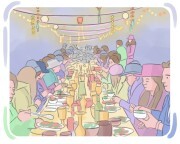
a meal with fine food, typically for many people, celebrating a special event
пиршество
Королевская свадьба завершилась роскошным пиром.
a short, thick, coarse hair growing naturally on an animal or person
щетина
Щетина кабана была грубой на ощупь.

a collection of different kinds of items gathered together without any particular order
разный, разнообразный
В ящике были разные предметы, такие как ручки, резинки и скрепки.
a relatively small degree of a good and desirable thing
чуточка
Она проявила каплю терпения, ожидая результатов.
to manage or take care of a situation, task, or responsibility successfully
заниматься, ухаживать
Она уделяла внимание потребностям гостей на протяжении всего мероприятия.

to be pulled along by a leading force
волочить
Баннер тянулся за самолетом, когда он кружил над стадионом.
a person who regularly enjoys drinking alcohol, often seen indulging in social settings
выпивоха, гуляка
На собраниях он известен как выпивоха, который любит пробовать разные крафтовые пива.

a feeling of long-lasting sadness that often cannot be explained
меланхолия
Она не могла избавиться от меланхолии, которая осталась после прощания с её детским домом.
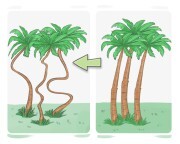
deviating from what is considered conventional or expected
странный, необычный
Его поведение казалось странным, как будто он что-то скрывал.
lacking freshness or excitement due to overuse, age, or repetition
затхлый, избитый
Плейлист вечеринки казался пресным, с одними и теми же песнями, играющими снова и снова всю ночь.
showing a formal stiffness, often without a natural flow
неестественный, натянутый
Её речь на трибуне казалась неестественной, как будто ей было некомфортно выступать перед публикой.
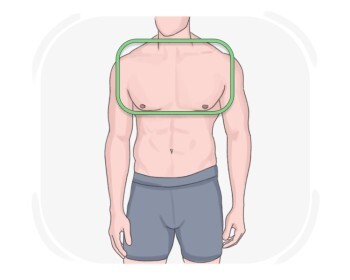
a person's chest
грудь
Ребенок заснул, убаюканный на груди своей матери.
the forward part of a ship or boat, typically pointed and leading ahead through the water
нос корабля, форштевень
Нос корабля рассекал волны, когда он выходил в открытое море.
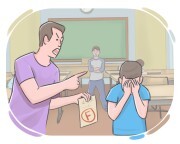
to make someone feel uneasy and ashamed
смущаться
Резкая критика учителя смутила ученика, заставив его потерять уверенность.
to secretly cooperate or conspire with others, typically to commit wrongdoing or deceit
потворствовать, быть в сговоре
Коррумпированные чиновники потворствуют бизнесменам, чтобы присвоить государственные средства.
a person who signs a bond to guarantee another's fulfillment of obligations
поручитель, гарант
Поручитель вмешался, чтобы обеспечить аренду квартиры для своего племянника.
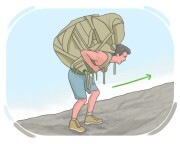
to move clumsily or struggle while walking
бороться, шлепаться
Путешественник, измученный крутым подъемом, начал спотыкаться на неровной местности.
a large crowd of people gathered closely together
толпа
Толпа фанатов ждала снаружи стадиона до того, как открылись двери.
to search a place thoroughly, often in a rough or disorderly manner, especially with the intention of stealing or causing damage
обыскивать, разграбить
Грабители обыскали квартиру в поисках ценностей.

to express one's disagreement, refusal, or reluctance
возражать
Когда Сару попросили поработать сверхурочно, она возразила, ссылаясь на семейные обязательства.
to approach or address someone aggressively or boldly, often with an intent to engage in conversation
заговаривать
Уличные торговцы часто пристают к пешеходам, пытаясь продать свои товары.

the state of being unhappy and despairing
уныние
В глубинах своей безысходности, он изо всех сил пытался найти причину вставать с постели каждое утро.
characterized by remarks or actions that diminish or belittle something's value or significance
пренебрежительный, уничижительный
У него есть привычка делать пренебрежительные комментарии о чужих идеях во время встреч.
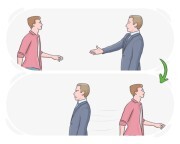
to treat someone disrespectfully by showing a lack of attention or consideration
пренебрегать, намеренно игнорировать
Постоянное игнорирование при повышении стало казаться преднамеренной попыткой унизить его на рабочем месте.

a large stack of wood used for burning the body of a dead person at a funeral
погребальный костер
Семья подготовила костёр для кремации.
a feeling of happiness, joy, or amusement
веселье, радость
Лица детей озарились весельем, когда они играли в игры и наслаждались вечеринкой.
to sing in a soft, gentle, and melodious manner, often with a sentimental or romantic tone
напевать
Он напевал колыбельную своему ребенку перед сном.
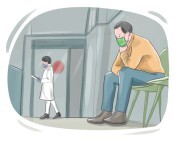
to wait for something or someone
ожидать
Мы с нетерпением ожидаем прибытия гостей на вечеринку.
in a manner lacking energy, enthusiasm, or interest
вяло, без интереса
Она шла вяло по улице, её мысли были где-то ещё.
impressive and great in size
величественный, внушительный
Величественный горный хребет протянулся по горизонту, демонстрируя суровый и впечатляющий природный ландшафт.
to travel or proceed on a course, especially slowly or indirectly
направляться, продвигаться медленно
Они продвигались через лес, следуя по узкой тропе.
to fail to be successful or make any progress
томиться
Перспективный стартап начал угасать после потери основного инвестора и невозможности привлечь дополнительное финансирование.

to show a facial expression that signifies shame or pain
морщиться
Он поморщился, когда коснулся горячей плиты голой рукой.

a strong and violent storm characterized by high winds, heavy rain, thunder, and lightning
буря
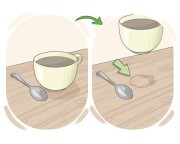
an indication or evidence of the former presence or existence of something
след
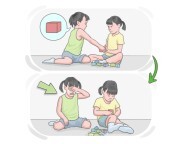
(of a person) displaying a childish behavior due to being treated very well or having been given everything they desired in the past
избалованный
Поскольку она всегда получала все, что хотела, она стала избалованным ребенком, который не мог справиться с разочарованием.
related to a state of intense or suppressed anger that is simmering beneath the surface, often not openly expressed
тлеющий, скрытый
Несмотря на его спокойное поведение, в его глазах была тлеющая злость.

reckless and willing to do dangerous things
смельчак
Безрассудная натура Джейка заставила его без колебаний заняться прыжками с парашютом и банджи-джампингом.
a pleasant shady place under trees or climbing plants in a garden or wood
беседка, тенистый уголок
Они нашли мирный беседка в саду, идеально подходящий для чтения.
to isolate or separate something or someone from outside influence or contact
секвестровать, изолировать
Члены жюри были изолированы во время громкого судебного процесса, чтобы убедиться, что они не подвержены влиянию внешних факторов.
in a manner that is dishonorable, mean, or morally low
подло, низко
Он подло предал своего друга, распространяя ложные слухи.
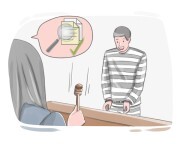
to officially decide and declare in a law court that someone is not guilty of a crime
оправдывать
Компанию обвинили в правонарушении, но после тщательного расследования она была оправдана от каких-либо незаконных действий.
permission or authorization to do something
разрешение, санкция
Солдат действовал без разрешения своего командира.
to directly address someone or something in a passionate or emotional manner
апострофировать, обращаться
В своем стихотворении поэт апострофирует луну, выражая свою тоску по её безмолвному обществу.

to lose consciousness temporarily, often due to strong emotion, heat, or exhaustion
падать в обморок, терять сознание
Она упала в обморок от восторга, получив неожиданный подарок.
a circular arrangement of flowers, leaves, or other materials, often used as a decoration or tribute
венок, гирлянда
Они повесили праздничный венок на входную дверь во время праздников.
to spoil, harm, or destroy something, such as a plant, crop, or place, typically due to disease, pests, or unfavorable conditions
отравлять
Аномальная жара губит урожай, вызывая его увядание в полях.
(of a law, regulation, rule, etc.) extremely limiting and strict
строгий
В компании были строгие правила относительно поведения сотрудников.
the leftover plant material, like seed coverings and bits of stem or leaves, remaining after crops are harvested
стерня, солома
Поле осталось с стернёй после уборки пшеницы.
a quality that evokes deep emotions, particularly feelings of pity, sorrow, or empathy
пафос
Финал фильма был наполнен пафосом, оставив зрителей в слезах.
describing someone or something having qualities associated with prophecy or foresight
пророческий, провиденческий
Пророческие высказывания древнего провидца изучались за их загадочную мудрость.
used to indicate that something will happen or be done soon, without delay
скоро, в ближайшее время
Он пообещал вернуться скоро с нужной ей информацией.
a large, imposing building, especially one that is impressive in size or appearance
здание
Древний собор стоял как величественное здание в центре города.
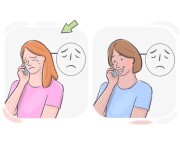
to clearly express or show a feeling, quality, or attitude through words, actions, or appearance
проявление
Он проявил искренний интерес к благополучию своих сотрудников.
a condition or situation that is similar or only appears to be similar to something
видимость
Старый дом сохранял видимость своего былого величия, хотя теперь он был в запустении.
in a manner that lacks good judgment or discretion
неблагоразумно, безрассудно
Он поступил неосмотрительно, принимая поспешные решения, не учитывая последствий.
wearing clothes, especially in a particular manner or material
одетый, облачённый
Рыцари были облачены в сверкающие доспехи для турнира.

a place where alcoholic drinks and sometimes food are served, often for socializing
таверна, корчма
Они собрались в таверне для напитков и разговоров.
to disagree or deny that something is true
отрицать
Никто не мог опровергнуть доказательства, представленные обвинением; они были неоспоримы.
