pattern

SAT Exam Essential Vocabulary - Literary Words

Here you will learn some English literary words, such as "connive", "pathos", "semblance", etc. that you will need to ace your SATs.

Review

Flashcards

Forms

Spelling

Quiz
Start learning
SAT Exam Essential Vocabulary
acquirement

an ability or skill that has been developed through training or practice

Ex: His acquirement of martial arts skills was evident in his precise movements. 
Close
Sign in
versed
versed
[Adjective]

knowledgeable or skilled in a particular field or activity, typically as a result of experience or study

Ex: She is well versed in classical literature and can discuss it at length. 
Close
Sign in
intrepid
intrepid
[Adjective]

very courageous and not afraid of situations that are dangerous

Ex: The intrepid journalist ventured into conflict zones to report the truth. 
Close
Sign in
temerity
temerity
[noun]

the quality of being foolishly or rudely bold

Ex: It was with considerable temerity that she questioned the CEO’s decisions. 
Close
Sign in
evenhanded
evenhanded
[Adjective]

fair in judgment or treatment

Ex: The judge is known for being evenhanded and always considers all sides of the argument. 
Close
Sign in
accursed
accursed
[Adjective]

condemned to suffer or face misfortune as a result of supernatural punishment

Ex: The accursed tomb was said to bring doom upon anyone who disturbed it. 
Close
Sign in
trying
trying
[Adjective]

hard to manage or endure

Ex: The trying weather conditions made the hike dangerous. 
Close
Sign in
taxing
taxing
[Adjective]

demanding or requiring a considerable amount of effort and energy to deal with

Ex: The marathon was a taxing experience for all the runners. 
Close
Sign in
garb
garb
[noun]

the clothes or attire that someone wears, often chosen for a specific occasion or purpose

Ex: The actors adorned themselves in period garb to accurately portray the historical figures. 
Close
Sign in
order
order
[noun]

a group of people organized together because they share similar interests or goals

Ex: The ancient order of knights protected the kingdom from external threats. 
Close
Sign in
heather
heather
[noun]

yarn or fabric with mixed colors that create muted greyish shades, often with flecks of other colors

Ex: The heather sweater had a soft, blended appearance with subtle shades of grey and hints of blue. 
Close
Sign in
clump
clump
[noun]

a tightly packed or clustered group or mass
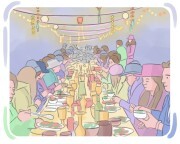
Ex: The children gathered around in a clump to hear the story. 
Close
Sign in
feast
feast
[noun]

a meal with fine food, typically for many people, celebrating a special event

Ex: The royal wedding was followed by a lavish feast. 
Close
Sign in
bristle
bristle
[noun]

a short, thick, coarse hair growing naturally on an animal or person
Ex: The boar's bristles were rough to the touch. 
Close
Sign in
sundry
sundry
[Adjective]

a collection of different kinds of items gathered together without any particular order

Ex: The drawer contained sundry items like pens, rubber bands, and paper clips. 
Close
Sign in
modicum
modicum
[noun]

a relatively small degree of a good and desirable thing

Ex: She showed a modicum of patience while waiting for the results. 
Close
Sign in
to attend
to attend
[Verb]

to manage or take care of a situation, task, or responsibility successfully
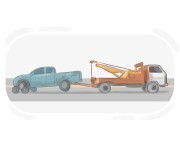
Ex: She attended to the guests' needs throughout the event. 
Close
Sign in
to trail
to trail
[Verb]

to be pulled along by a leading force

Ex: The kite soared in the sky, with its long tail trailing behind it. 
Close
Sign in
tippler
tippler
[noun]

a person who regularly enjoys drinking alcohol, often seen indulging in social settings
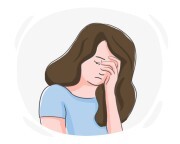
Ex: At gatherings, he's known as the tippler who enjoys sampling different craft beers. 
Close
Sign in
melancholy

a feeling of long-lasting sadness that often cannot be explained
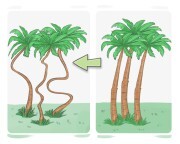
Ex: She couldn't shake off the melancholy that lingered after saying goodbye to her childhood home. 
Close
Sign in
queer
queer
[Adjective]

deviating from what is considered conventional or expected

Ex: His behavior seemed queer, as if he was hiding something. 
Close
Sign in
stale
stale
[Adjective]

lacking freshness or excitement due to overuse, age, or repetition

Ex: The party's playlist felt stale, with the same songs played repeatedly throughout the night. 
Close
Sign in
stilted
stilted
[Adjective]

showing a formal stiffness, often without a natural flow
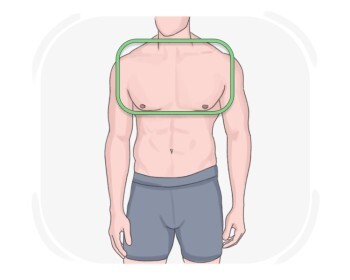
Ex: Her speech at the podium felt stilted, as if she wasn't comfortable speaking in public. 
Close
Sign in
bosom
bosom
[noun]

a person's chest

Ex: The baby fell asleep, cradled in the bosom of her mother. 
Close
Sign in
prow
prow
[noun]

the forward part of a ship or boat, typically pointed and leading ahead through the water
Ex: The ship's prow cut through the waves as it sailed into the open sea. 
Close
Sign in
to abash
to abash
[Verb]

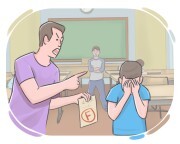
to make someone feel uneasy and ashamed

Ex: The teacher's sharp criticism abashed the student, causing her to lose confidence. 
Close
Sign in
to connive

to secretly cooperate or conspire with others, typically to commit wrongdoing or deceit

Ex: The corrupt officials connive with businessmen to embezzle public funds. 
Close
Sign in
bondsman
bondsman
[noun]

a person who signs a bond to guarantee another's fulfillment of obligations
Ex: The bondsman stepped in to secure the lease for his nephew's apartment. 
Close
Sign in
to flounder

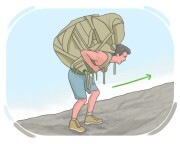
to move clumsily or struggle while walking

Ex: The hiker, exhausted from the steep climb, began to flounder on the uneven terrain. 
Close
Sign in
throng
throng
[noun]

a large crowd of people gathered closely together

Ex: A throng of fans waited outside the stadium before the doors opened. 
Close
Sign in
to ransack

to search a place thoroughly, often in a rough or disorderly manner, especially with the intention of stealing or causing damage

Ex: The burglars ransacked the apartment, looking for valuables. 
Close
Sign in
to demur
to demur
[Verb]

to express one's disagreement, refusal, or reluctance

Ex: When asked to work overtime, Sarah demurred, citing family commitments. 
Close
Sign in
to accost
to accost
[Verb]

to approach or address someone aggressively or boldly, often with an intent to engage in conversation
Ex: Street vendors often accost pedestrians, trying to sell their wares. 
Close
Sign in
despondency

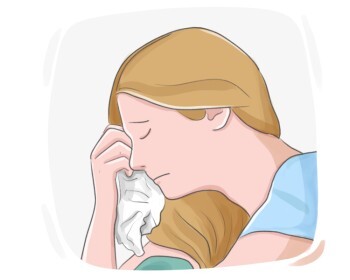
the state of being unhappy and despairing

Ex: In the depths of his despondency, he struggled to find a reason to get out of bed each morning. 
Close
Sign in
deprecatory
deprecatory
[Adjective]

characterized by remarks or actions that diminish or belittle something's value or significance
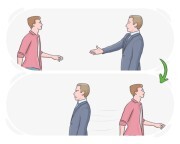
Ex: He has a habit of making deprecatory comments about others' ideas during meetings. 
Close
Sign in
to slight
to slight
[Verb]

to treat someone disrespectfully by showing a lack of attention or consideration

Ex: Being consistently overlooked for promotions began to feel like a deliberate attempt to slight him in the workplace. 
Close
Sign in
indigo
indigo
[Adjective]

having a rich color between dark blue and purple

Close
Sign in
pyre
pyre
[noun]

a large stack of wood used for burning the body of a dead person at a funeral

Ex: The family prepared a pyre for the cremation. 
Close
Sign in
mirth
mirth
[noun]

a feeling of happiness, joy, or amusement

Ex: The children's faces lit up with mirth as they played games and enjoyed the party. 
Close
Sign in
to croon
to croon
[Verb]

to sing in a soft, gentle, and melodious manner, often with a sentimental or romantic tone
Ex: He crooned a lullaby to his baby before putting her to sleep. 
Close
Sign in
to await
to await
[Verb]

to wait for something or someone

Ex: We eagerly await the arrival of the guests for the party. 
Close
Sign in
listlessly
listlessly
[Adverb]

in a manner lacking energy, enthusiasm, or interest

Ex: She walked listlessly down the street, her mind elsewhere. 
Close
Sign in
stately
stately
[Adjective]

impressive and great in size

Ex: The stately mountain range stretched across the horizon, displaying a rugged and impressive natural landscape. 
Close
Sign in
to wend
to wend
[Verb]

to travel or proceed on a course, especially slowly or indirectly

Ex: They wended their way through the forest, following a narrow trail. 
Close
Sign in
to languish

to fail to be successful or make any progress
Ex: The once-promising startup began to languish after losing its major investor and failing to secure additional funding. 
Close
Sign in
to wince
to wince
[Verb]

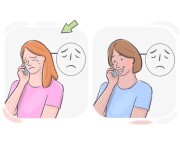
to show a facial expression that signifies shame or pain
Ex: He winced as he touched the hot stove with his bare hand. 
Close
Sign in
tempest
tempest
[noun]

a strong and violent storm characterized by high winds, heavy rain, thunder, and lightning
Close
Sign in
trace
trace
[noun]

an indication or evidence of the former presence or existence of something

Close
Sign in
spoiled
spoiled
[Adjective]

(of a person) displaying a childish behavior due to being treated very well or having been given everything they desired in the past

Ex: Because she always got everything she wanted, she became a spoiled child who couldn't handle disappointment. 
Close
Sign in
smouldering
smouldering
[Adjective]

related to a state of intense or suppressed anger that is simmering beneath the surface, often not openly expressed

Ex: Despite his calm demeanor, there was a smouldering anger in his eyes. 
Close
Sign in
daredevil
daredevil
[Adjective]

reckless and willing to do dangerous things

Ex: Jake's daredevil nature led him to participate in skydiving and bungee jumping without hesitation. 
Close
Sign in
bower
bower
[noun]

a pleasant shady place under trees or climbing plants in a garden or wood

Ex: They found a peaceful bower in the garden, perfect for reading. 
Close
Sign in
to sequester

to isolate or separate something or someone from outside influence or contact

Ex: During meditation, it's important to sequester your mind from distractions and find inner peace. 
Close
Sign in
basely
basely
[Adverb]

in a manner that is dishonorable, mean, or morally low
Ex: He betrayed his friend basely by spreading false rumors. 
Close
Sign in
to acquit
to acquit
[Verb]

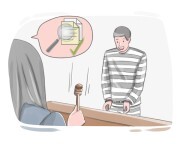
to officially decide and declare in a law court that someone is not guilty of a crime

Ex: The company was accused of wrongdoing, but after a thorough investigation, they were acquitted of any illegal activities. 
Close
Sign in
leave
leave
[noun]

permission or authorization to do something

Ex: The soldier acted without leave from his commanding officer. 
Close
Sign in
to apostrophize

to directly address someone or something in a passionate or emotional manner
Ex: In his poem, the poet apostrophizes the moon, expressing his longing for its silent companionship. 
Close
Sign in
to swoon
to swoon
[Verb]

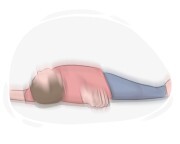
to lose consciousness temporarily, often due to strong emotion, heat, or exhaustion

Ex: She swooned with delight upon receiving the surprise gift. 
Close
Sign in
wreath
wreath
[noun]

a circular arrangement of flowers, leaves, or other materials, often used as a decoration or tribute

Ex: They hung a festive wreath on the front door during the holidays. 
Close
Sign in
to blight
to blight
[Verb]

to spoil, harm, or destroy something, such as a plant, crop, or place, typically due to disease, pests, or unfavorable conditions

Ex: The heatwave blights the crops, causing them to wither in the fields. 
Close
Sign in
stringent
stringent
[Adjective]

(of a law, regulation, rule, etc.) extremely limiting and strict

Ex: The company had stringent rules about employee conduct. 
Close
Sign in
stubble
stubble
[noun]

the leftover plant material, like seed coverings and bits of stem or leaves, remaining after crops are harvested

Ex: The field was left with stubble after the wheat harvest. 
Close
Sign in
pathos
pathos
[noun]

a quality that evokes deep emotions, particularly feelings of pity, sorrow, or empathy

Ex: The film's ending was filled with pathos, leaving the audience in tears. 
Close
Sign in
vatic
vatic
[Adjective]

describing someone or something having qualities associated with prophecy or foresight

Ex: The vatic pronouncements of the ancient seer were studied for their cryptic wisdom. 
Close
Sign in
anon
anon
[Adverb]

used to indicate that something will happen or be done soon, without delay

Ex: He promised to return anon with the information she needed. 
Close
Sign in
edifice
edifice
[noun]

a large, imposing building, especially one that is impressive in size or appearance
Ex: The ancient cathedral stood as a majestic edifice in the center of the city. 
Close
Sign in
to evince
to evince
[Verb]

to clearly express or show a feeling, quality, or attitude through words, actions, or appearance

Ex: He evinced genuine interest in the welfare of his employees. 
Close
Sign in
semblance
semblance
[noun]

a condition or situation that is similar or only appears to be similar to something

Ex: The old house had a semblance of its former grandeur, though it was now in disrepair. 
Close
Sign in
injudiciously

in a manner that lacks good judgment or discretion

Ex: He acted injudiciously by making hasty decisions without considering the consequences. 
Close
Sign in
clad
clad
[Adjective]

wearing clothes, especially in a particular manner or material
Ex: The knights were clad in shining armor for the tournament. 
Close
Sign in
tavern
tavern
[noun]

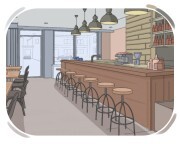
a place where alcoholic drinks and sometimes food are served, often for socializing

Ex: They gathered at the tavern for drinks and conversation. 
Close
Sign in
to gainsay

to disagree or deny that something is true

Ex: No one could gainsay the evidence presented by the prosecution; it was indisputable. 
Close
Sign in
LanGeek
Download LanGeek app