
Humanités ACT - Conflit et Conformité
Apprenez le vocabulaire des sciences humaines de l'ACT pour le conflit et la conformité, y compris le désaccord, la résistance, l'obéissance, la coopération, la négociation et les réponses aux règles ou à l'autorité.
Réviser
Flashcards
formes
Orthographe
Quiz

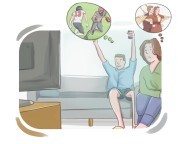
(of two ideas, opinions, etc.) to oppose each other

se contredire
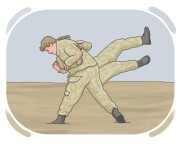
to fight directly against an opponent or opposing force
combattre, lutter contre
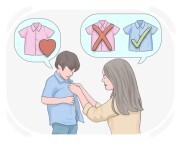
to force someone to do what they do not want
imposer, infliger
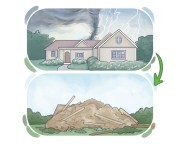
to cause or impose something unpleasant, harmful, or unwelcome upon someone or something
infliger, causer
Le tyran cherchait à infliger de la douleur émotionnelle à ses camarades de classe par des moqueries et des insultes.

to object to the legality or acceptability of something
contester, mettre en doute
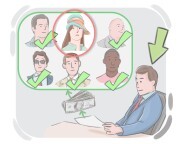
to treat someone unfairly or cruelly, often because of their race, gender, religion, or beliefs
persécuter, maltraiter
Il a été persécuté pour ses convictions politiques, faisant face à l'emprisonnement et à la censure.
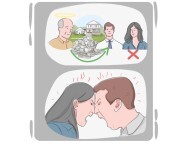
to have a lasting and heated argument with someone
se quereller
Malgré avoir été amis autrefois, ils ont commencé à se quereller après un malentendu, provoquant une fissure dans leur relation.

to formally challenge, dispute, or oppose a decision, claim, or statement
contester

to illegally take someone away, especially by force or deception
enlever, kidnapper
Le kidnappeur a été accusé d'avoir tenté d'enlever un mineur pour une rançon.
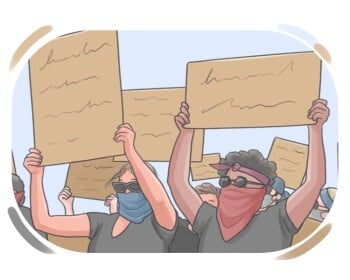
to show disagreement by taking action or expressing it verbally, particularly in public
protester

to cause the downfall or removal of rulers or leaders
renverser, faire tomber
Avec le temps, les dissensions internes et les pressions externes peuvent renverser les régimes oppressifs.

to cause the downfall of authority figures or rulers
subvertir
Les fonctionnaires corrompus peuvent saper le système juridique pour un gain personnel.
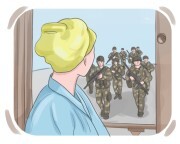
to enter a territory using armed forces in order to occupy or take control of it
envahir
Historiquement, les empires cherchaient souvent à envahir et à étendre leurs territoires.
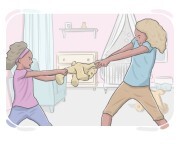
to struggle or fight with someone, particularly to get something
se battre, se bagarrer, se disputer, se quereller
Dans les sports compétitifs, les joueurs peuvent se battre pour la possession du ballon pendant un match.
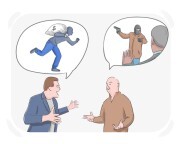
to make secret plans with other people to commit an illegal or destructive act
concourir à faire
Les forces de l'ordre ont découvert un complot où des criminels conspiraient pour faire passer des substances illégales en contrebande.

to force someone to do something through threats or manipulation
contraindre, forcer
Le gouvernement autoritaire a utilisé son pouvoir pour contraindre les citoyens à soutenir une idéologie politique particulière.

to force someone to act in a certain way
contraindre, forcer
Les limitations financières nous ont contraints à choisir la solution la plus rentable.
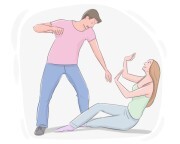
to launch a vigorous or violent attack on someone or something, either physically or verbally
agresser
La pression des créanciers assaillait le propriétaire de la petite entreprise depuis des mois.
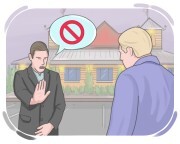
to not allow someone to do something or go somewhere
bannir, interdire

to help end a dispute between people by trying to find something on which everyone agrees
arbitrer, servir de médiateur
Parfois, il est essentiel d'avoir une troisième personne pour médier une conversation afin d'assurer l'équité et la compréhension.
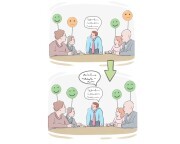
to end or lessen a person's anger by giving in to their demands
apaiser
La communication constante apaisait continuellement les préoccupations du client.
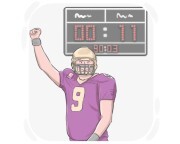
to defeat someone or something using superior strength, force, or influence
submerger, dominer
Le boxeur poids lourd a réussi à dominer son adversaire avec une série de coups puissants.
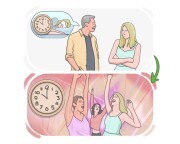
to refuse to respect a person of authority or to observe a law, rule, etc.
désobéir à, braver, défier
Les citoyens peuvent choisir de défier les lois injustes comme forme de protestation contre le gouvernement.
a set of actions organized in order to serve a political purpose
campagne
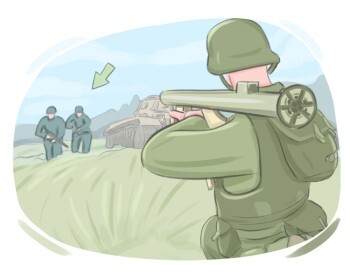
a person that one is opposed to and fights or competes with
adversaire
Bien qu'ils aient été de féroces adversaires sur le terrain, en dehors du terrain, ils étaient de bons amis.
an act of crime in which someone physically attacks another person
agression
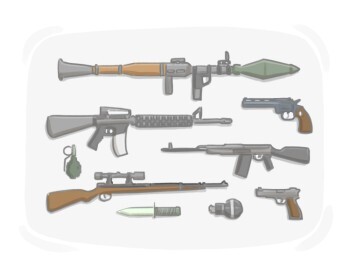
the military equipment and weaponry used by a country or military force
armement
La base militaire a affiché un impressionnant éventail d'armement, présentant des chars, des pièces d'artillerie et des véhicules blindés.
a fierce and intense attack, often with the goal of overwhelming the opponent
assaut, offensive
Les manifestants ont fait face à un assaut de gaz lacrymogène et de balles en caoutchouc alors qu'ils s'affrontaient avec la police.
disagreement or conflict within a group expected to collaborate
dissension
Le parti politique, autrefois uni, était maintenant déchiré par la dissension et les luttes intestines.
unfriendly or antagonistic feelings, attitudes, or behavior toward someone or something
hostilité
a formidable opponent or persistent force that causes misery, defeat, or downfall
ennemi juré, némésis
Le héros a affronté son némésis dans une bataille finale, sachant qu'un seul d'entre eux survivrait.
a state of heated disagreement, often coming from different viewpoints or interests
dispute, démêlé, conflit, discorde
Leur controverse sur le budget a conduit à plusieurs réunions animées.
a sudden and brief attack to other territory, especially in large numbers and across a border
incursion
a permanent military post where soldiers are stationed, live, and train
fort, forteresse
a hostile disagreement, dispute, or clash between opposing people or groups
conflit, confrontation
a sudden surprise attack on a place or group, especially by an armed force
descente, rafle
being without protection or means of defending oneself from harm or attack
sans défense, démuni
Le bébé oiseau gisait sans défense sur le sol, incapable de voler jusqu'à son nid.
refusing or failing to follow rules, orders, or instructions, often showing resistance to authority
désobéissant
Le chien désobéissant a ignoré les commandes de son propriétaire et s'est enfui dans le parc.
eager or inclined to engage in fighting or arguing
combatif, belliqueux
Pendant le débat, son attitude combative a rendu difficile pour les autres d'exprimer leurs opinions.
with a significant amount of physical strength or authority
de force, avec force
La porte était verrouillée, alors ils ont dû l'ouvrir de force pour entrer dans la pièce.
(always negative) to tolerate someone or something
supporter, tolérer
Je ne pouvais pas supporter le bruit constant du chantier à côté, alors j'ai décidé de déménager dans un quartier plus calme.
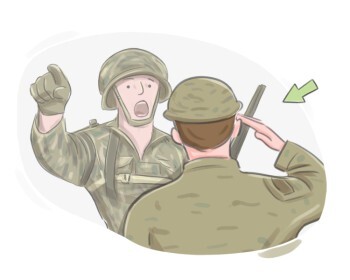
to act according to a rule, law, order, or request
obtempérer, s'exécuter
to devotedly follow or support something, such as a rule, belief, plan, etc.
adhérer à
L'entreprise adhère à un code de déontologie strict dans toutes ses pratiques commerciales.
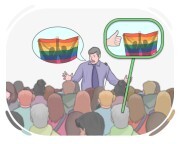
to willingly accept, adopt, or begin supporting an idea, belief, practice, or way of life
adopter, embrasser
a middle position or solution that combines different or opposing qualities
compromis
the act of solving a problem, dispute, or difficulty
résolution
the act of becoming friendly with someone once more after ending a disagreement
réconciliation
showing a tendency to be passive or compliant
soumis, assujetti
Son attitude soumise lors des réunions la conduisait souvent à être d'accord avec tout ce qui était suggéré.
