pattern

Humanidades ACT - Conflicto y Cumplimiento

Aquí aprenderás algunas palabras en inglés relacionadas con el conflicto y el cumplimiento, como "mediar", "cumplir", "redada", etc. que te ayudarán a sobresalir en tus ACT.

Revisión

Tarjetas de memoria

formas

Ortografía

Cuestionario

Empezar a aprender
ACT Vocabulary for Humanities
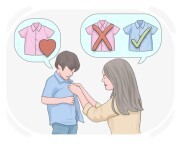
to conflict

(of two ideas, opinions, etc.) to oppose each other

estar en conflicto
estar en conflicto

Ex: The two theories presented in the debate conflict with each other. 

Las dos teorías presentadas en el debate entran en conflicto entre sí.

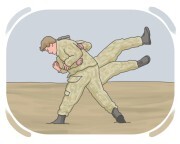
to combat
to combat
[Verbo]

to fight or contend against someone or something, often in a physical or armed conflict

combatir, luchar contra

combatir, luchar contra

Ex: Soldiers are trained to combat enemies on the battlefield. 

Los soldados están entrenados para combatir a los enemigos en el campo de batalla.

to impose
to impose
[Verbo]

to force someone to do what they do not want

imponer
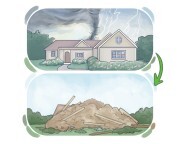
imponer

Ex: Governments should avoid imposing excessive taxes that burden the citizens. 

Los gobiernos deberían evitar imponer impuestos excesivos que carguen a los ciudadanos.

to inflict
to inflict
[Verbo]

to cause or impose something unpleasant, harmful, or unwelcome upon someone or something

infligir, causar

infligir, causar

Ex: The criminal's goal was to inflict fear on the community through acts of violence. 

El objetivo del criminal era infligir miedo a la comunidad mediante actos de violencia.

to challenge

to object to the legality or acceptability of something

recusar

recusar

Ex: He planned to challenge the results of the election based on alleged irregularities. 

Planeó impugnar los resultados de las elecciones basándose en supuestas irregularidades.

to persecute

to treat someone unfairly or cruelly, often because of their race, gender, religion, or beliefs

perseguir, maltratar

perseguir, maltratar

Ex: Throughout history, women have been persecuted for advocating for their rights and equality. 

A lo largo de la historia, las mujeres han sido perseguidas por defender sus derechos y la igualdad.
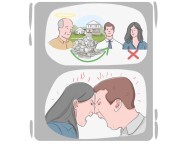
to feud
to feud
[Verbo]

to have a lasting and heated argument with someone

pelear

pelear

Ex: The rival gangs feuded over control of the neighborhood for years. 

Las pandillas rivales pelearon por el control del barrio durante años.

to contest
to contest
[Verbo]

to formally oppose or challenge a decision or a statement

disputar

disputar

Ex: They will contest the new policy at the upcoming board meeting. 

Impugnarán la nueva política en la próxima reunión de la junta.

to abduct
to abduct
[Verbo]

to illegally take someone away, especially by force or deception

raptar

raptar

Ex: The organization was notorious for attempting to abduct scientists to gain access to classified information. 

La organización era conocida por intentar secuestrar a científicos para obtener acceso a información clasificada.

to protest
to protest
[Verbo]

to show disagreement by taking action or expressing it verbally, particularly in public

protestar

protestar

Ex: Activists peacefully marched to protest racial injustice and advocate for equality. 

Los activistas marcharon pacíficamente para protestar contra la injusticia racial y abogar por la igualdad.

to overturn

to cause the downfall or removal of rulers or leaders

derrocar, derribar

derrocar, derribar

Ex: The military coup successfully overturned the existing leadership, prompting political instability. 

El golpe militar logró derrocar el liderazgo existente, provocando inestabilidad política.

to subvert
to subvert
[Verbo]

to cause the downfall of authority figures or rulers

subvertir

subvertir

Ex: Attempts to subvert the monarchy were met with harsh consequences. 

Los intentos de subvertir la monarquía se encontraron con duras consecuencias.
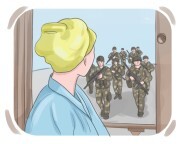
to invade
to invade
[Verbo]

to enter a territory using armed forces in order to occupy or take control of it

invadir

invadir

Ex: The conquerors were determined to invade the island and claim it for their empire. 

Los conquistadores estaban decididos a invadir la isla y reclamarla para su imperio.

to tussle
to tussle
[Verbo]

to struggle or fight with someone, particularly to get something

pelearse

pelearse

Ex: In a crowded marketplace, people may tussle to secure the last available product on sale. 

En un mercado abarrotado, la gente puede forcejear para asegurar el último producto disponible en venta.

to conspire

to make secret plans with other people to commit an illegal or destructive act

conspirar

conspirar

Ex: The court found evidence that the suspects had conspired to commit white-collar crimes. 

El tribunal encontró evidencia de que los sospechosos habían conspirado para cometer delitos de cuello blanco.

to coerce
to coerce
[Verbo]

to force someone to do something through threats or manipulation

coaccionar

coaccionar

Ex: The bully tried to coerce his classmates into giving him their lunch money through threats. 

El matón intentó coaccionar a sus compañeros de clase para que le dieran su dinero del almuerzo mediante amenazas.

to constrain

to force someone to act in a certain way

obligar, forzar

obligar, forzar

Ex: The rules of the game constrained the players to follow a specific strategy. 

Las reglas del juego obligaban a los jugadores a seguir una estrategia específica.

to assail
to assail
[Verbo]

to launch a vigorous or violent attack on someone or something, either physically or verbally

atacar

atacar

Ex: Burglars assailed the homeowner as he entered, demanding money and valuables. 

Los ladrones asaltaron al dueño de la casa cuando entró, exigiendo dinero y objetos de valor.

to bar
to bar
[Verbo]

to not allow someone to do something or go somewhere

prohibir

prohibir

Ex: Players who violate the rules may face penalties, including being barred from future competitions. 

Los jugadores que violen las reglas pueden enfrentar sanciones, incluido ser prohibidos de competencias futuras.

to mediate
to mediate
[Verbo]

to help end a dispute between people by trying to find something on which everyone agrees

mediar

mediar

Ex: In the workplace, the HR department often plays a crucial role in mediating conflicts among employees 

En el lugar de trabajo, el departamento de RRHH a menudo juega un papel crucial en la mediación de conflictos entre empleados.

to appease
to appease
[Verbo]

to end or lessen a person's anger by giving in to their demands

calmar

calmar

Ex: The company plans to appease customer complaints by improving its customer service. 

La empresa planea aplacar las quejas de los clientes mejorando su servicio al cliente.

to overpower

to defeat someone or something using superior strength, force, or influence

avasar, dominar

avasar, dominar

Ex: The storm's strong winds threatened to overpower the structures in its path. 

Los fuertes vientos de la tormenta amenazaban con dominar las estructuras en su camino.

to defy
to defy
[Verbo]

to refuse to respect a person of authority or to observe a law, rule, etc.

desafiar

desafiar

Ex: The outspoken employee was willing to defy company policies in order to advocate for change. 

El empleado franco estaba dispuesto a desafiar las políticas de la empresa para abogar por el cambio.

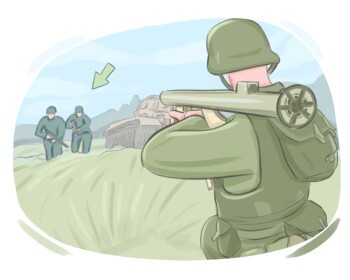
campaign
campaign
[Sustantivo]

a set of actions organized in order to serve a political purpose

campaña
campaña

Ex: The anti-smoking campaign used shocking ads to discourage teens from vaping. 

La campaña antitabaco utilizó anuncios impactantes para disuadir a los adolescentes de vapear.

adversary
adversary
[Sustantivo]

a person that one is opposed to and fights or competes with

adversario

adversario

Ex: As a lawyer, she was used to meeting her adversary in the courtroom. 

Como abogada, estaba acostumbrada a encontrarse con su adversario en el tribunal.

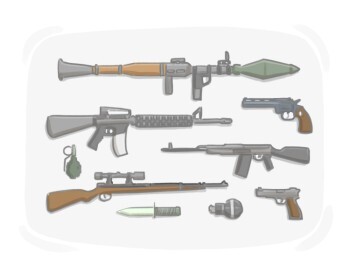
assault
assault
[Sustantivo]

an act of crime in which someone physically attacks another person

agresión
agresión

Ex: Witnesses testified that the assault occurred in broad daylight outside the shopping mall. 

Los testigos declararon que el asalto ocurrió a plena luz del día fuera del centro comercial.

armament
armament
[Sustantivo]

the military equipment and weaponry used by a country or military force

armamento

armamento

Ex: During the Cold War, both superpowers engaged in a race to build up their nuclear armament, leading to a tense arms race. 

Durante la Guerra Fría, ambas superpotencias se embarcaron en una carrera para aumentar su armamento nuclear, lo que llevó a una tensa carrera armamentista.

onslaught
onslaught
[Sustantivo]

a fierce and intense attack, often with the goal of overwhelming the opponent

embestida,  ofensiva

embestida, ofensiva

Ex: The military base prepared for an impending onslaught, fortifying defenses and mobilizing troops for the anticipated attack. 

La base militar se preparó para un asalto inminente, fortificando defensas y movilizando tropas para el ataque anticipado.

dissension
dissension
[Sustantivo]

disagreement or conflict within a group expected to collaborate

disensión

disensión

Ex: The coach's challenge was not just training the team but also managing the dissension among players. 

El desafío del entrenador no era solo entrenar al equipo sino también manejar la disensión entre los jugadores.

hostility
hostility
[Sustantivo]

behavior or feelings that are aggressive or unfriendly

hostilidad

hostilidad

Ex: Despite their initial hostility, the two coworkers eventually found a way to collaborate effectively. 

A pesar de su hostilidad inicial, los dos compañeros de trabajo finalmente encontraron una manera de colaborar eficazmente.

nemesis
nemesis
[Sustantivo]

a formidable opponent or persistent force that causes misery, defeat, or downfall

enemigo acérrimo, némesis

enemigo acérrimo, némesis

Ex: Drought proved to be the nemesis of the farming community, leading to widespread famine. 

La sequía resultó ser el azote de la comunidad agrícola, lo que llevó a una hambruna generalizada.

contention
contention
[Sustantivo]

a state of heated disagreement, often coming from different viewpoints or interests

disputa, discusión

disputa, discusión

Ex: The negotiation process was marked by contention over contract terms. 

El proceso de negociación estuvo marcado por la controversia sobre los términos del contrato.

incursion
incursion
[Sustantivo]

a sudden and brief attack to other territory, especially in large numbers and across a border

incursión

incursión

fort
fort
[Sustantivo]

a strong building or area where soldiers stay to defend against enemies

fuerte

fuerte

Ex: They established a temporary fort to protect the supply route. 

Establecieron un fuerte temporal para proteger la ruta de suministro.

confrontation
confrontation
[Sustantivo]

a situation of hostility or strong disagreement between two opposing individuals, parties, or groups

confrontación, enfrentamiento

confrontación, enfrentamiento

Ex: The police were called to intervene in a confrontation between protesters and counter-protesters. 

La policía fue llamada para intervenir en una confrontación entre manifestantes y contra-manifestantes.

raid
raid
[Sustantivo]

a surprise attack against a place or a group of people

incursión, asalto

incursión, asalto

Ex: The police conducted a raid on the warehouse, uncovering a large cache of illegal weapons. 

La policía realizó un raid en el almacén, descubriendo un gran alijo de armas ilegales.

defenseless
defenseless
[Adjetivo]

being without protection or means of defending oneself from harm or attack

indefenso, desprotegido

indefenso, desprotegido

Ex: The elderly woman felt defenseless against the scam artists who preyed on her. 

La anciana se sintió indefensa contra los estafadores que la acechaban.

disobedient
disobedient
[Adjetivo]

refusing or failing to follow rules, orders, or instructions, often showing resistance to authority

desobediente

desobediente

Ex: The soldiers were punished for being disobedient and not following their commanding officer's orders. 

Los soldados fueron castigados por ser desobedientes y no seguir las órdenes de su oficial al mando.

combative
combative
[Adjetivo]

eager or inclined to engage in fighting or arguing

combativo, belicoso

combativo, belicoso

Ex: The combative nature of the protesters led to clashes with the police. 

La naturaleza combativa de los manifestantes llevó a enfrentamientos con la policía.

forcibly
forcibly
[Adverbio]

with a significant amount of physical strength or authority

forzosamente, con fuerza

forzosamente, con fuerza

Ex: He was forcibly evicted from the premises after refusing to leave voluntarily. 

Fue desalojado por la fuerza del local después de negarse a irse voluntariamente.

to abide
to abide
[Verbo]

(always negative) to tolerate someone or something

soportar

soportar

Ex: He couldn't abide the arrogance of the new manager, leading him to consider finding a job elsewhere. 

No podía tolerar la arrogancia del nuevo gerente, lo que lo llevó a considerar buscar trabajo en otro lugar.
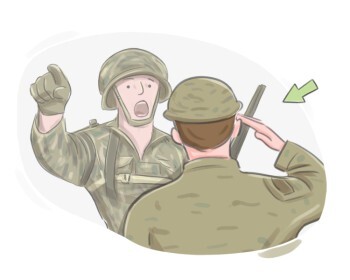
to comply
to comply
[Verbo]

to act in accordance with rules, regulations, or requests

cumplir

cumplir

Ex: The company implemented new security measures, and everyone needs to comply. 

La empresa implementó nuevas medidas de seguridad, y todos necesitan cumplir.

to adhere
to adhere
[Verbo]

to devotedly follow or support something, such as a rule, belief, plan, etc.

cumplir

cumplir

Ex: She adheres to the principles of environmental conservation and sustainability in her lifestyle. 

Ella se adhiere a los principios de conservación ambiental y sostenibilidad en su estilo de vida.

to embrace
to embrace
[Verbo]

to adopt or accept a particular cause, ideology, practice, method, or lifestyle as one's own

aceptar

aceptar

Ex: As he learned more about the philosophy, he decided to embrace Buddhism and incorporate its principles into his life. 

A medida que aprendía más sobre la filosofía, decidió abrazar el budismo e incorporar sus principios en su vida.

compromise
compromise
[Sustantivo]

a middle state between two opposing situations that is reached by slightly changing both of them, so that they can coexist

intermedia

intermedia

Ex: After hours of debate, the committee settled on a compromise that satisfied both parties. 

Después de horas de debate, el comité llegó a un compromiso que satisfizo a ambas partes.

resolution
resolution
[Sustantivo]

the act of solving a problem, dispute, or difficulty

resolución

resolución

Ex: The team worked toward the resolution of technical issues. 

El equipo trabajó hacia la resolución de problemas técnicos.

reconciliation
reconciliation
[Sustantivo]

the act of becoming friendly with someone once more after ending a disagreement

reconciliación

reconciliación

submissive
submissive
[Adjetivo]

showing a tendency to be passive or compliant

sumiso

sumiso

Ex: The submissive nature of the character in the novel highlighted the power dynamics at play. 

La naturaleza sumisa del personaje en la novela destacó las dinámicas de poder en juego.

LanGeek
Descargar la aplicación LanGeek