pattern

ACT Humanities - Conflict and Compliance

Here you will learn some English words related to conflict and compliance, such as "mediate", "abide", "raid", etc. that will help you ace your ACTs.

Review

Flashcards

Forms

Spelling

Quiz

Start learning
ACT Vocabulary for Humanities
to conflict

(of two ideas, opinions, etc.) to oppose each other
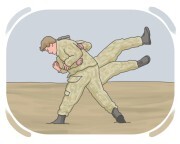
Ex: His personal beliefs often conflict with the principles of his profession, leading to internal struggles. 
Close
Sign in
to combat
to combat
[Verb]

to fight or contend against someone or something, often in a physical or armed conflict
Ex: The soldiers are actively combating insurgents in the region. 
Close
Sign in
to impose
to impose
[Verb]

to force someone to do what they do not want
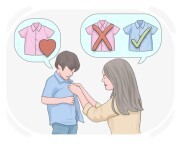
Ex: The authoritarian government tried to impose strict regulations on freedom of speech. 
Close
Sign in
to inflict

to cause or impose something unpleasant, harmful, or unwelcome upon someone or something

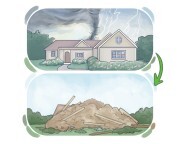
Ex: The hurricane inflicted significant damage on the coastal town. 
Close
Sign in
to challenge

to object to the legality or acceptability of something
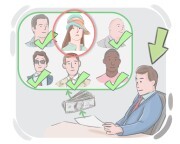
Ex: The attorney sought to challenge the witness's credibility during the trial. 
Close
Sign in
to persecute

to treat someone unfairly or cruelly, often because of their race, gender, religion, or beliefs
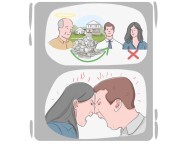
Ex: The government persecuted religious minorities, restricting their rights and freedoms. 
Close
Sign in
to feud
to feud
[Verb]

to have a lasting and heated argument with someone

Ex: The families continued to feud over a disputed piece of land, passing down the animosity through generations. 
Close
Sign in
to contest

to formally oppose or challenge a decision or a statement

Ex: She plans to contest the election results in court. 
Close
Sign in
to abduct
to abduct
[Verb]

to illegally take someone away, especially by force or deception
Ex: The criminal attempted to abduct the child from the school playground. 
Close
Sign in
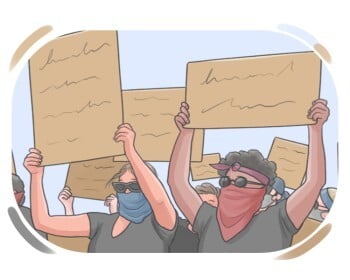
to protest

to show disagreement by taking action or expressing it verbally, particularly in public

Ex: Employees decided to protest the unfair working conditions by organizing a strike. 
Close
Sign in
to overturn

to cause the downfall or removal of rulers or leaders

Ex: The citizens, discontent with the ruler's policies, organized protests to overturn the government. 
Close
Sign in
to subvert

to cause the downfall of authority figures or rulers
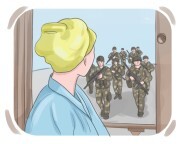
Ex: The rebel group sought to subvert the ruling government. 
Close
Sign in
to invade
to invade
[Verb]

to enter a territory using armed forces in order to occupy or take control of it
Ex: The army decided to invade the neighboring country to secure vital resources. 
Close
Sign in
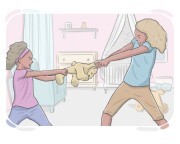
to tussle
to tussle
[Verb]

to struggle or fight with someone, particularly to get something

Ex: Children on the playground may tussle over a toy they both want to play with. 
Close
Sign in
to conspire

to make secret plans with other people to commit an illegal or destructive act

Ex: The group of individuals conspired to carry out a heist on the bank. 
Close
Sign in
to coerce
to coerce
[Verb]

to force someone to do something through threats or manipulation

Ex: The criminal coerced the witness into changing their testimony through intimidation. 
Close
Sign in
to constrain

to force someone to act in a certain way

Ex: The tight deadline constrained the team to work late nights to complete the project on time. 
Close
Sign in
to assail
to assail
[Verb]

to launch a vigorous or violent attack on someone or something, either physically or verbally
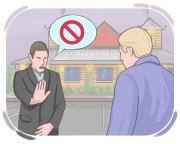
Ex: The boxer assailed his opponent with a flurry of punches in the final round. 
Close
Sign in
to bar
to bar
[Verb]

to not allow someone to do something or go somewhere

Ex: Failure to meet the academic requirements could bar a student from participating in certain school activities. 
Close
Sign in
to mediate

to help end a dispute between people by trying to find something on which everyone agrees
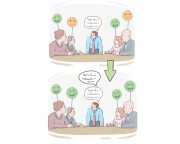
Ex: Sarah offered to mediate between the two coworkers who had been arguing for weeks. 
Close
Sign in
to appease

to end or lessen a person's anger by giving in to their demands
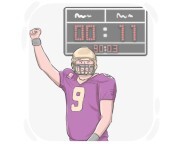
Ex: The leader's decision to address the issues directly appeased the public's outrage. 
Close
Sign in
to overpower

to defeat someone or something using superior strength, force, or influence

Ex: The military strategy was to overpower the enemy with a swift and coordinated attack. 
Close
Sign in
to defy
to defy
[Verb]

to refuse to respect a person of authority or to observe a law, rule, etc.

Ex: The rebellious teenager decided to defy the instructions given by their parents. 
Close
Sign in
campaign
campaign
[noun]

a set of actions organized in order to serve a political purpose
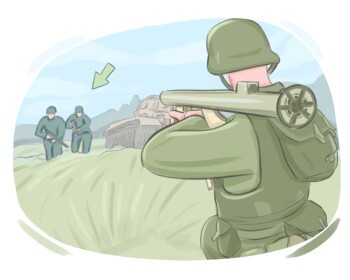
Ex: The presidential campaign included speeches in all 50 states. 
Close
Sign in
adversary
adversary
[noun]

a person that one is opposed to and fights or competes with

Ex: In the final round of the chess tournament, he faced his toughest adversary yet. 
Close
Sign in
assault
assault
[noun]

an act of crime in which someone physically attacks another person
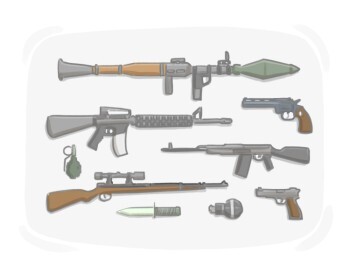
Ex: The police arrested the suspect for assault after he attacked a passerby on the street. 
Close
Sign in
armament
armament
[noun]

the military equipment and weaponry used by a country or military force

Ex: The country invested heavily in modernizing its armament, acquiring advanced missile defense systems and fighter jets. 
Close
Sign in
onslaught
onslaught
[noun]

a fierce and intense attack, often with the goal of overwhelming the opponent

Ex: The army launched a relentless onslaught against enemy positions, pushing them back and gaining ground. 
Close
Sign in
dissension

disagreement or conflict within a group expected to collaborate

Ex: The coach's challenge was not just training the team but also managing the dissension among players. 
Close
Sign in
hostility
hostility
[noun]

behavior or feelings that are aggressive or unfriendly

Ex: The hostility between the two rival teams was evident throughout the entire match. 
Close
Sign in
nemesis
nemesis
[noun]

a formidable opponent or persistent force that causes misery, defeat, or downfall

Ex: The detective finally captured his nemesis, a cunning criminal who had evaded him for years. 
Close
Sign in
contention

a state of heated disagreement, often coming from different viewpoints or interests

Ex: The new policy caused contention among the board members. 
Close
Sign in
incursion
incursion
[noun]

a sudden and brief attack to other territory, especially in large numbers and across a border

Close
Sign in
fort
fort
[noun]

a strong building or area where soldiers stay to defend against enemies

Ex: The soldiers defended the fort against enemy attacks. 
Close
Sign in
confrontation

a situation of hostility or strong disagreement between two opposing individuals, parties, or groups

Ex: The heated confrontation between the neighbors stemmed from a dispute over property boundaries. 
Close
Sign in
raid
raid
[noun]

a surprise attack against a place or a group of people

Ex: The special forces unit planned a nighttime raid on the enemy compound to capture high-value targets. 
Close
Sign in
defenseless
defenseless
[Adjective]

being without protection or means of defending oneself from harm or attack

Ex: The defenseless village was ravaged by the invading forces. 
Close
Sign in
disobedient
disobedient
[Adjective]

refusing or failing to follow rules, orders, or instructions, often showing resistance to authority

Ex: The disobedient child refused to go to bed when his parents told him to. 
Close
Sign in
combative
combative
[Adjective]

eager or inclined to engage in fighting or arguing

Ex: The combative player was frequently penalized for starting fights on the field. 
Close
Sign in
forcibly
forcibly
[Adverb]

with a significant amount of physical strength or authority

Ex: The police forcibly removed the protesters from the government building. 
Close
Sign in
to abide
to abide
[Verb]

(always negative) to tolerate someone or something
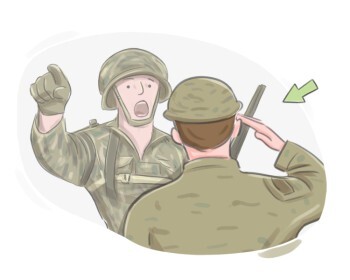
Ex: The manager made it clear that the company could not abide unethical behavior. 
Close
Sign in
to comply
to comply
[Verb]

to act in accordance with rules, regulations, or requests

Ex: Employees are expected to comply with the company's code of conduct. 
Close
Sign in
to adhere
to adhere
[Verb]

to devotedly follow or support something, such as a rule, belief, plan, etc.
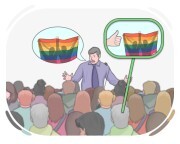
Ex: He adheres strictly to his daily exercise routine, rain or shine. 
Close
Sign in
to embrace

to adopt or accept a particular cause, ideology, practice, method, or lifestyle as one's own

Ex: After years of resistance, she decided to embrace a healthier lifestyle and started exercising regularly. 
Close
Sign in
compromise

a middle state between two opposing situations that is reached by slightly changing both of them, so that they can coexist

Ex: They reached a compromise by agreeing to share responsibilities equally. 
Close
Sign in
resolution

the act of solving a problem, dispute, or difficulty

Ex: Quick resolution of the conflict prevented further tension. 
Close
Sign in
reconciliation

the act of becoming friendly with someone once more after ending a disagreement

Close
Sign in
submissive
submissive
[Adjective]

showing a tendency to be passive or compliant

Ex: The dog was unusually submissive, eagerly following every command from its owner. 
Close
Sign in
LanGeek
Download LanGeek app