
Cambridge IELTS 18 - Academic - Test 4 - Écoute - Partie 3
Apprenez le vocabulaire du Cambridge IELTS 18 Academic, Test 4 Listening Part 3, et révisez les mots et expressions utiles de cette section du test d'entraînement.
Réviser
Flashcards
formes
Orthographe
Quiz

to find a solution to a problem

trouver, élaborer
Trouvons un compromis qui satisfasse les deux parties en élaborant une solution.

to test something new or different to see how good or effective it is
essayer, tester
L'équipe a décidé d'essayer la méthode non testée dans leur expérience.

to make someone eager or determined to do something by giving them encouragement or incentive
motiver

content with a result or outcome
satisfait
Il s'est senti satisfait de sa performance à l'examen après avoir étudié avec diligence.
used to refer to the conclusion or outcome of a situation or event
finalement, en fin de compte
Il a essayé tout ce qu'il pouvait, mais à la fin, c'était hors de son contrôle.

to discover, meet, or find someone or something by accident
rencontrer par hasard, trouver par hasard, tomber sur
Pendant ma promenade dans le parc, je suis tombé sur un oiseau blessé et j'ai décidé de l'emmener dans un centre de sauvetage de la faune.
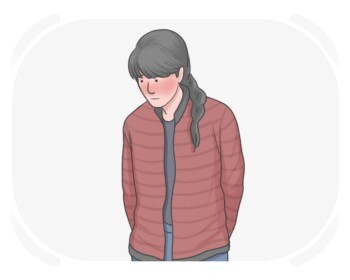
not confident enough in oneself, especially in one's abilities
qui manque d'assurance
Je n'étais pas sûr de savoir comment répondre, alors je suis resté silencieux.
to be required to do something, especially because of a rule, agreement, tradition, etc.
être censé, devoir
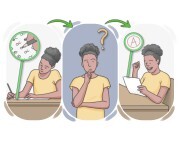
to emerge as a particular outcome
s'avérer, finir par être
L'expérience s'est avérée être une percée majeure dans la recherche médicale.

having been made ready or suitable beforehand for a particular purpose or situation
prêt
Elle se sentait confiante et préparée pour l'examen à venir.
having a material presence that can be perceived by the senses
physique, matériel
Ils voulaient créer un espace physique pour les rassemblements communautaires, pas seulement des événements virtuels.
spoken rather than written
verbal
in a manner accepted, used, or practiced by a large number of people or throughout many locations
largement
Le vaccin est largement administré dans les hôpitaux à travers le pays.
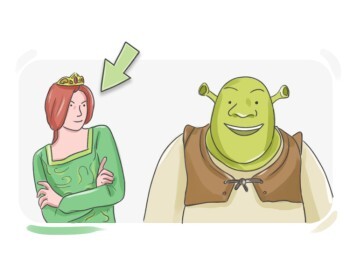
pleasing and likely to arouse interest or desire
attirant, charmant
L'actrice avait un visage attrayant qui capturait le cœur du public à chaque performance.
having an understanding or perception of something, often through careful thought or sensitivity
informé
L'entreprise a rendu les employés conscients des nouvelles politiques par le biais de notifications par e-mail.
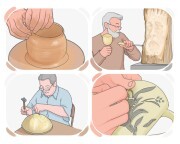
an activity, occupation, or trade that requires skill and experience, especially in making things by hand
métier, métier artisanal, art

doing things or moving in a way that lacks control and care, usually causing accidents
maladroit
Le serveur maladroit a renversé de la soupe sur les genoux du client.
to need or demand something as necessary for a particular purpose or situation
exiger, nécessiter
the act of applying or implementing an idea, theory, or plan into real-world actions or activities
pratique
to make an idea, feeling, behavior, or effect stronger by providing support or encouragement
renforcer, conforter
connected with the branch of mathematics that deals with the relationships between lines, angles and surfaces
géométrique
La progression géométrique d'une suite implique de multiplier chaque terme par un rapport commun.
to deliver a speech or presentation that publicly expresses one's ideas, plans, etc.
exposer
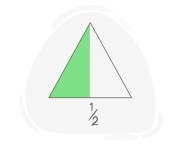
a number expressed as one quantity divided by another, especially one written with a numerator and denominator
fraction
(of an event or schedule) to be approaching or getting closer in time
approcher, arriver
Je n'arrive pas à croire que l'examen approche si rapidement ; nous devons commencer à étudier.

to put a great deal of effort to overcome difficulties or achieve a goal
lutter, se battre
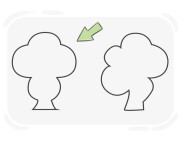
the quality of having two halves that are exactly the same, which are separated by an axis
symétrie
Les architectes utilisent souvent la symétrie pour créer des bâtiments visuellement équilibrés.
one of the three periods in the academic year during which multiple classes are held in schools, universities, etc.
trimestre, semestre
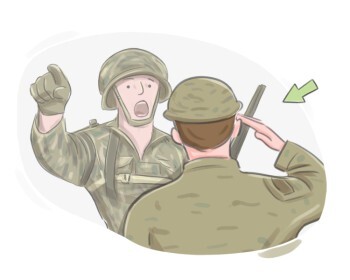
to act accordingly to someone or something's advice, commands, or instructions
suivre
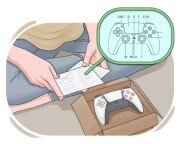
guidance on how to carry out a task or operate something
instruction, directive
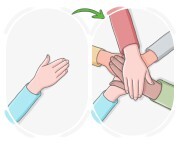
in a manner that involves two or more parties working together supportively
coopérativement
Les élèves ont résolu le problème coopérativement dans leur groupe d'étude.
the state of being free from the control of others
indépendance
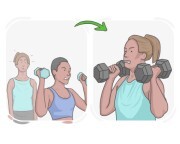
having a strong desire to win or succeed
compétitif, ambitieux
Sa nature compétitive l'a poussé à exceller sur le plan académique, en cherchant toujours à obtenir les meilleures notes.
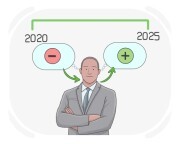
the typical way a person thinks or feels about something or someone, often affecting their behavior and decisions
attitude
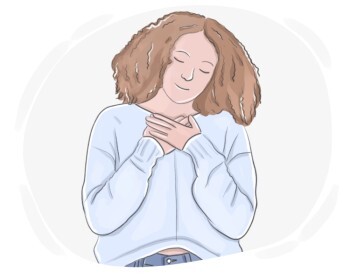
feeling happy and satisfied with something that has happened or with someone's actions
content, contente
Je suis heureux de rencontrer votre famille.
a representation or replica of something, often created on a smaller scale, to show its design or function
maquette, modèle réduit
to explain something by providing examples, doing experiments, etc.
démontrer, illustrer
one of the phases in which a process or event is divided into
étape, stade
a set of specialized terms that are used in a specific science, art, business, or profession
terminologie
Comprendre la terminologie du droit peut être difficile pour les débutants.
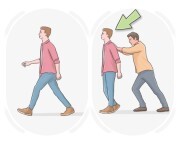
reluctant or resistant to do something
réticent, peu disposé
Il était réticent à faire des compromis sur ses principes, même si cela signifiait perdre l'accord.

to occupy a particular amount of space or time
prendre
Le nouveau projet a occupé une partie importante de leur emploi du temps.

distinctive among others that are of the same general classification
particulier, particulière
Le rapport se concentre sur un segment particulier de la population, à savoir les citoyens âgés.

the act of interpreting something incorrectly
malentendu, incompréhension
Il s'est excusé pour le malentendu dans ses instructions.
to assign someone a task, goal, or target to complete
assigner, fixer
the skill of using the eyes to guide the hands in doing tasks that require accurate and controlled movement
coordination œil-main, coordination visuo-manuelle
La coordination main-œil de l'enfant s'est développée grâce au dessin.

the practice or art of folding paper into desired shapes, which is originated from Japanese culture
origami
L'atelier d'origami a attiré des participants de tous âges désireux d'apprendre les anciennes techniques de pliage.

to bend something so that one part lies over or against another
plier, replier
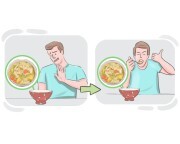
to see people or things through a different perspective
voir autrement, changer de regard
Vivre à l'étranger lui a fait voir sa ville natale sous un nouveau jour.

arranged correctly or in the proper condition
en ordre, bien rangé
Son passeport était en règle pour les voyages internationaux.
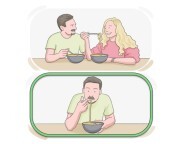
one by one; separately from the others
individuellement
Chaque échantillon a été testé individuellement pour les contaminants.
a message describing how something is to be done
instruction, directive
to cause something to form or develop
établir, créer

to be prominent and easily noticeable
se démarquer nettement, se distinguer des autres
Parmi les nombreux candidats, ses qualifications et son expérience l'ont fait se démarquer lors de l'entretien d'embauche.
showing careful detail or delicate quality
fin, subtile
relating to the transmission of signals from the central nervous system to muscles
motoneurone
to make a written record of something for later use
interrupting or disturbing the normal flow or function of something
perturbateur, dérangeant
Le bruit perturbateur du chantier a dérangé les résidents.
to return to a state of calmness following a period of disturbance or activity
se calmer, s'apaiser
Il a fallu un certain temps pour que la réunion se calme après l'interruption inattendue.
| Cambridge IELTS 18 - Academic | |||
|---|---|---|---|
| Test 4 - Écoute - Partie 3 | Test 4 - Écoute - Partie 4 | Test 4 - Lecture - Passage 1 (1) | Test 4 - Lecture - Passage 1 (2) |
| Test 4 - Lecture - Passage 2 (1) | Test 4 - Lecture - Passage 2 (2) | Test 4 - Lecture - Passage 3 (1) | Test 4 - Lecture - Passage 3 (2) |
