
Cambridge IELTS 18 - Akademický - Test 4 - Poslech - Část 3
Učte se slovní zásobu z Cambridge IELTS 18 Academic, Test 4 Listening Part 3, a procvičte si užitečná slova a výrazy z této části cvičného testu.
Revize
Kartičky
tvary
Pravopis
Kvíz

to find a solution to a problem

vyřešit, najít
Pomohla mi vymyslet nejlepší způsob, jak problém řešit.
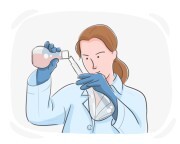
to test something new or different to see how good or effective it is
vyzkoušet, otestovat
Učitel navrhl studentům, aby vyzkoušeli různé studijní techniky a zjistili, co funguje nejlépe.
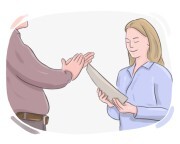
to make someone eager or determined to do something by giving them encouragement or incentive
motivovat

content with a result or outcome
spokojený, uspokojený
Po měsících tvrdé práce se cítila spokojená s výsledky svého úsilí.
used to refer to the conclusion or outcome of a situation or event
nakonec, koneckonců
Zpočátku měl pochybnosti, ale nakonec důvěřoval svým instinktům.
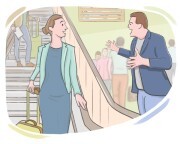
to discover, meet, or find someone or something by accident
narazit na, náhodou objevit
Nečekal jsem, že na konferenci narazím na starého přítele ze střední školy, ale bylo to příjemné překvapení.
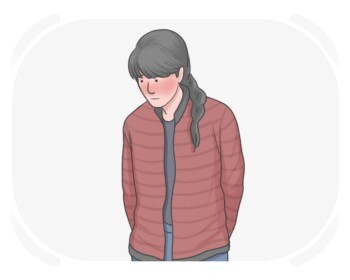
not confident enough in oneself, especially in one's abilities
nejistý, váhavý
Protože si nebyla jistá svým rozhodnutím, požádala o druhý názor.
to be required to do something, especially because of a rule, agreement, tradition, etc.
předpokládat, mít povinnost
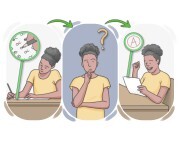
to emerge as a particular outcome
nakonec dopadnout, ukázat se jak něco dopadlo
Po měsících jednání se ukázalo, že obě společnosti nedokázaly dosáhnout dohody.

having been made ready or suitable beforehand for a particular purpose or situation
připravený, hotový
Připravený plán lekce zajistil plynulý a poutavý zážitek ve třídě.
having a material presence that can be perceived by the senses
fyzický, materiální
Našla útěchu ve fyzickém aspektu držení knihy spíše než čtení na obrazovce.
spoken rather than written
verbální, slovní
in a manner accepted, used, or practiced by a large number of people or throughout many locations
široce, běžně
Platformy sociálních médií jsou široce přístupné uživatelům po celém světě.
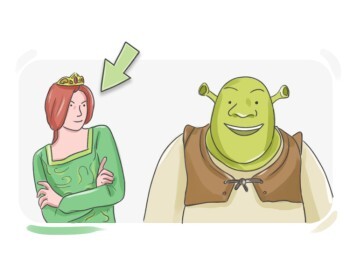
pleasing and likely to arouse interest or desire
přitažlivý, okouzlující
Jeho drsná, ale pohledná tvář a charismatická osobnost ho činily přitažlivým pro muže i ženy.
having an understanding or perception of something, often through careful thought or sensitivity
vědomý, informovaný
Stala se vědomou svého okolí, když procházela neznámou čtvrtí.
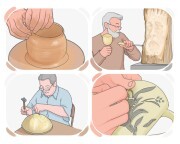
an activity, occupation, or trade that requires skill and experience, especially in making things by hand
řemeslo, dovednost

doing things or moving in a way that lacks control and care, usually causing accidents
neohrabaný, nemotorný
Cítila se trapně kvůli svému nemotornému zakopnutí před svými spolužáky.
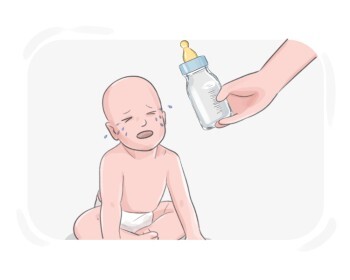
to need or demand something as necessary for a particular purpose or situation
vyžadovat, požadovat
the act of applying or implementing an idea, theory, or plan into real-world actions or activities
praxe
to make an idea, feeling, behavior, or effect stronger by providing support or encouragement
posílit, upevnit
connected with the branch of mathematics that deals with the relationships between lines, angles and surfaces
geometrický
Geometrické transformace, jako jsou posuny, otáčení a odrazy, se používají v počítačové grafice k manipulaci s obrázky a objekty.
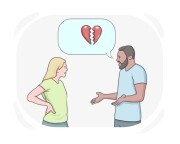
to deliver a speech or presentation that publicly expresses one's ideas, plans, etc.
prezentovat, představit
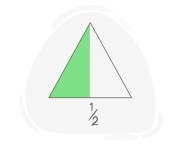
a number expressed as one quantity divided by another, especially one written with a numerator and denominator
zlomek, zlomkové číslo
(of an event or schedule) to be approaching or getting closer in time
blížit se, přicházet
Jak se datum události blíží, vzrůstá mezi účastníky vzrušení.

to put a great deal of effort to overcome difficulties or achieve a goal
bojovat, usilovat
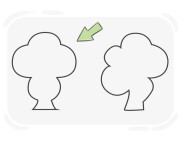
the quality of having two halves that are exactly the same, which are separated by an axis
symetrie
Umělec záměrně porušil symetrii v malbě, aby vyvolal napětí.
one of the three periods in the academic year during which multiple classes are held in schools, universities, etc.
semestr, trimestr
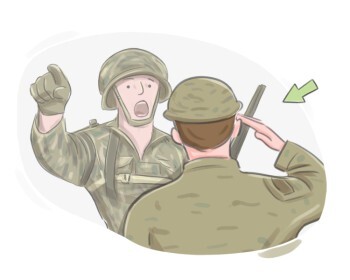
to act accordingly to someone or something's advice, commands, or instructions
následovat
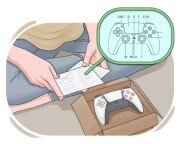
guidance on how to carry out a task or operate something
instrukce, pokyn
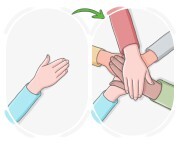
in a manner that involves two or more parties working together supportively
spolupracující
Vědci spolupracovali a sdíleli své výzkumy, aby našli lék.
the state of being free from the control of others
nezávislost, autonomie
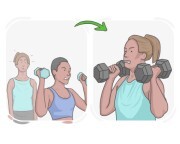
having a strong desire to win or succeed
konkurenceschopný, ambiciózní
Její konkurenční duch ji přiměl hledat vedoucí pozice a vynikat v kariéře.
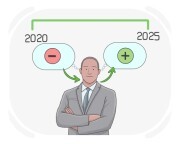
the typical way a person thinks or feels about something or someone, often affecting their behavior and decisions
postoj, myšlení

feeling happy and satisfied with something that has happened or with someone's actions
spokojený, potěšený
Byl potěšen vřelým přijetím, které dostal.
a representation or replica of something, often created on a smaller scale, to show its design or function
model, měřítkový model
to explain something by providing examples, doing experiments, etc.
demonstrovat, ilustrovat
one of the phases in which a process or event is divided into
fáze, etapa
a set of specialized terms that are used in a specific science, art, business, or profession
terminologie
Znala terminologii podnikání, ale ne finance.
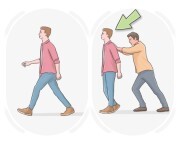
reluctant or resistant to do something
neochotný, váhavý
Byl neochotný přiznat svou chybu, protože se bál, že by to poškodilo jeho pověst.

to occupy a particular amount of space or time
zabírat, vzít
Obraz zabírá značné množství prostoru na zdi.
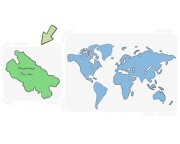
distinctive among others that are of the same general classification
konkrétní, specifický
Zákon platí pro konkrétní typ vozidla, jako jsou elektrická auta.

the act of interpreting something incorrectly
nedorozumění, chybné pochopení
Nedorozumění může snadno vzniknout v mezikulturní komunikaci.
to assign someone a task, goal, or target to complete
přiřadit, stanovit
the skill of using the eyes to guide the hands in doing tasks that require accurate and controlled movement
koordinace ruka-oko, vizuomotorická koordinace
Stavění modelů zlepšuje jemnou motoriku a koordinaci ruka-oko.
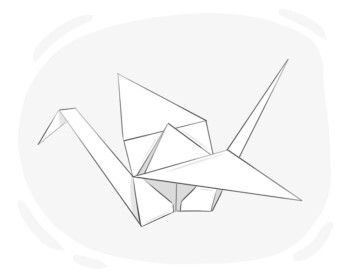
the practice or art of folding paper into desired shapes, which is originated from Japanese culture
origami, umění skládání papíru
Po návštěvě Japonska a přímém prožitku jeho kulturního významu si vypěstoval vášeň pro origami.
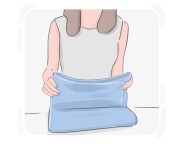
to bend something so that one part lies over or against another
skládat, přeložit
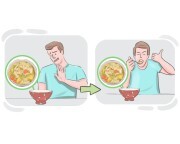
to see people or things through a different perspective
vidět nově, změnit pohled
Když se stal rodičem, začal své vlastní rodiče vidět v novém světle.

arranged correctly or in the proper condition
v pořádku, správně uspořádaný
Organizátoři akce zajistili, že vše bylo v pořádku pro obřad.
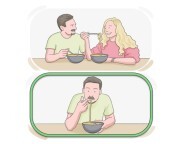
one by one; separately from the others
individuálně, jeden po druhém
Pohovorovali jsme s uchazeči individuálně spíše než v panelu.
a message describing how something is to be done
instrukce, směrnice
to cause something to form or develop
stavět, budovat

to be prominent and easily noticeable
výrazně vynikat, odlišovat se od ostatních
Její barevné šaty ji učinily výraznou v davu lidí oblečených v neutrálních tónech.
showing careful detail or delicate quality
jemný, subtilní
relating to the transmission of signals from the central nervous system to muscles
motorický, motorický
to make a written record of something for later use
interrupting or disturbing the normal flow or function of something
rušivý, destruktivní
Její rušivé chování ve třídě bránilo ostatním v učení.
to return to a state of calmness following a period of disturbance or activity
uklidnit se, utišit se
Bouře přešla a sousedství se postupně uklidnilo a vrátilo se ke své obvyklé tichosti.
| Cambridge IELTS 18 - Akademický | |||
|---|---|---|---|
| Test 4 - Poslech - Část 3 | Test 4 - Poslech - Část 4 | Test 4 - Čtení - Úsek 1 (1) | Test 4 - Čtení - Úryvek 1 (2) |
| Test 4 - Čtení - Úryvek 2 (1) | Test 4 - Čtení - Úryvek 2 (2) | Test 4 - Čtení - Úsek 3 (1) | Test 4 - Čtení - Pasáž 3 (2) |
