
Könyv: Total English - Középhaladó - Egység 10 - Hivatkozás
Itt találod a 10. egység - Hivatkozás szókincsét a Total English Pre-Intermediate tankönyvből, mint például "ingázó", "felszáll", "komp" stb.
Áttekintés
Villámkártyák
alakok
Betűzés
Kvíz
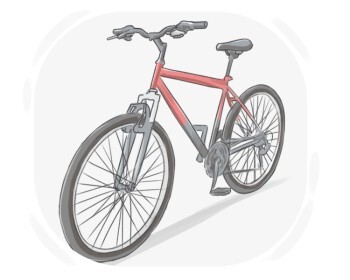
a vehicle with two wheels that we ride by pushing its pedals with our feet

kerékpár, bicikli
Sisakot visel a biztonság érdekében, amikor kerékpározik.
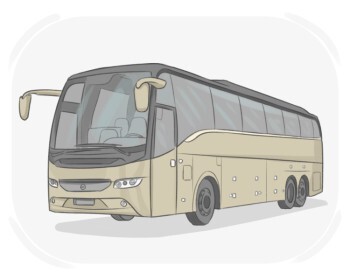
a large vehicle that carries many passengers by road
busz, városi busz
A busz pont időben érkezett, így nem kellett sokat várnom.
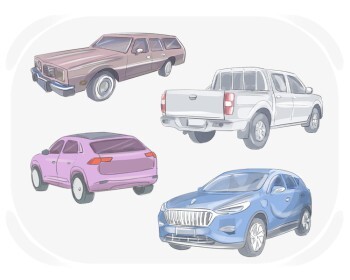
a road vehicle that has four wheels, an engine, and a small number of seats for people
autó
Elfelejtette kilakoltatni az autóját, mielőtt bement a boltba.
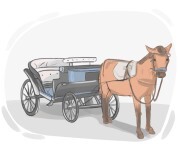
a type of carriage or vehicle used for transportation, typically pulled by horses or other animals
kocsi, szekér
A kocsi gyönyörűen volt díszítve arany díszítésekkel.
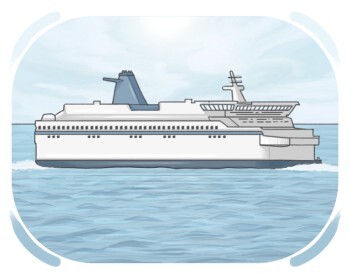
a boat or ship used to transport passengers and sometimes vehicles, usually across a body of water
komp, ferry
A komp út gyönyörű kilátást nyújtott a partvidékre.
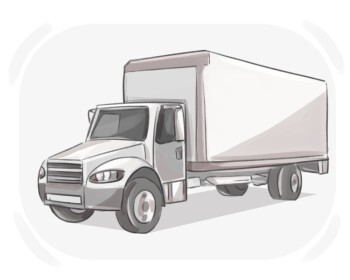
a large, heavy motor vehicle designed for transporting goods or materials over long distances
teherautó
Nézte, ahogy a teherautó elhaladt, friss terményekkel megrakva a helyi piacra.

a motorcycle with a weak engine and pedals
egy moped, egy gyengébb motorral és pedálokkal ellátott motorkerékpár
A moped kompakt mérete könnyűvé teszi a navigálást a zsúfolt városi utcákon.

a light vehicle that has two wheels and is powered by an engine
motorkerékpár, motor
A motorkerékpár elszáguldott mellettünk, motorja dörögve közlekedett a forgalomban.
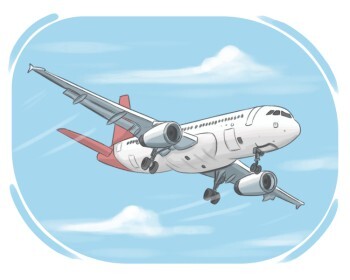
a winged flying vehicle driven by one or more engines
repülőgép
Foglaltunk jegyeket egy repülőgép-re Párizsba a jövő héten.
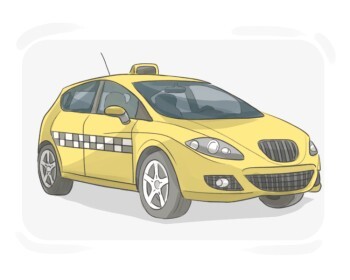
a car that has a driver whom we pay to take us to different places
taxi, taxikocsi
Egy taxit hívtam, hogy elvigyen a repülőtérre.
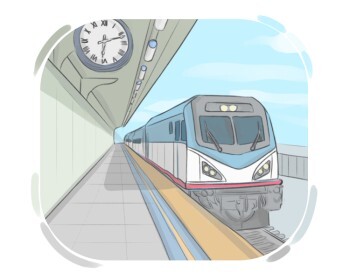
a series of connected carriages that travel on a railroad, often pulled by a locomotive
vonat, vasút
Inkább vonattal utazik, mert az relaxálóbb, mint a vezetés.
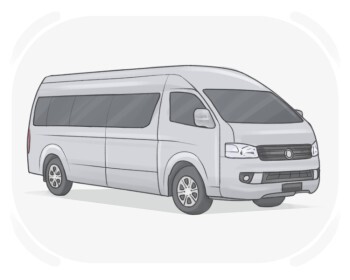
a big vehicle without back windows, smaller than a truck, used for carrying people or things
kisbusz, furgon
A szállítókisteherautó megállt a ház előtt, készen állva egy csomag leadására.

a train, bus, or airline designed to carry passengers frequently over short or medium distances, especially between residential areas and places of work or study
ingázó vonat, ingázó közlekedési eszköz
Minden hétköznap ingázó járatot vesz fel szülővárosából a városba.
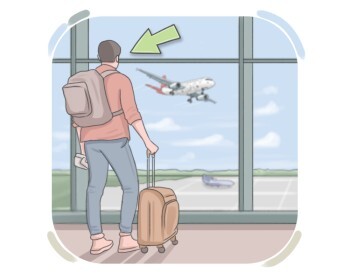
someone traveling in a vehicle, aircraft, ship, etc. who is not the pilot, driver, or a crew member
utas, utazó
A busz utasára nyomta meg a gombot, hogy kérje a következő megállót.
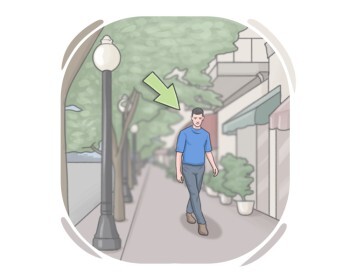
a person who is on foot and not in or on a vehicle
gyalogos, járókelő
A híd külön gyalogos sávot kínál azoknak, akik sétálni vagy kocogni szeretnének.

the act of travelling between two or more places, especially when there is a long distance between them
utazás, út
A vonattal történő hosszú út bőséges időt biztosított a gondolkodásra és önvizsgálatra.
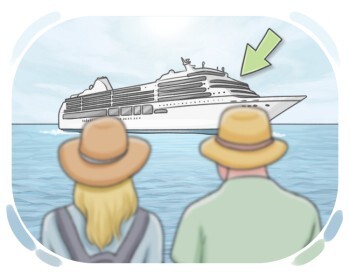
a long journey taken on a ship or spacecraft
utazás, hajóút
A tengerészek elindultak egy utazásra az Atlanti-óceánon át, hogy új földeket fedezzenek fel.
to reach and get on a bus, aircraft, or train in time
elkap, felszáll
Általában elkapja a reggel 8 órás metrót az egyetemre.
to enter or reach a location
bemegy, bejut
Nem találta a kulcsait, hogy bejusson a lakásába.
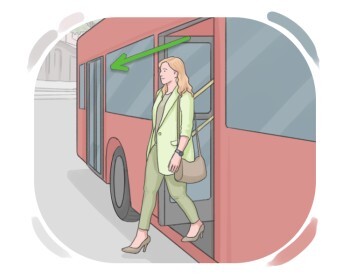
to leave a bus, train, airplane, etc.
leszáll, elhagy
Sikerült leszállnia az elsüllyedő hajóról éppen időben.
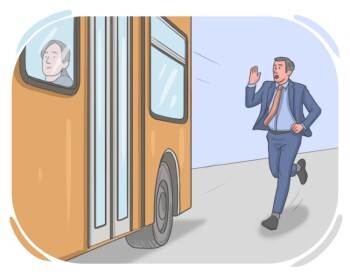
to fail to catch a bus, airplane, etc.
lekésik, nem ér oda idejében
Lemaradt az iskolai busszról, mert otthon felejtette a hátizsákját.
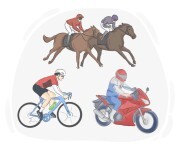
to sit on open-spaced vehicles like motorcycles or bicycles and be in control of their movements
vezet, lovagol
A barátok bringáznak a parkban.
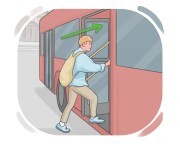
to use a particular route or means of transport in order to go somewhere
venni, használni
Ő felszállt a buszra a repülőtérre a járatához.

to take someone's hand and move it up and down, mainly for greeting
kezet ráz, fogózik
A kölcsönös tisztelet jeléül a vezetők kezet ráztak az összegyűlt diplomaták előtt.
an act of taking a person's hand and shaking it as a greeting or after having made an agreement with them
kézfogás, kezet szorítás
Kezfogása erős és magabiztos volt.

to bend the head or move the upper half of the body forward to show respect or as a way of greeting
meghajol, meghajtja a fejét
A presztízsös díj átvételekor a színész meghajolt, hogy köszönetet mondjon a közönség tapsának.
a bending of the head, body, or knee as a gesture of respect, submission, greeting, or shame
meghajlás, tiszteletadás
A diák meghajlást hajtott végre a tanár előtt.

a gentle touch with the lips, especially to show respect or liking
csók, puszi
Egy csintalan csókot lopott az orrán, ami egy kacajt váltott ki, amely visszhangzott a szobában.
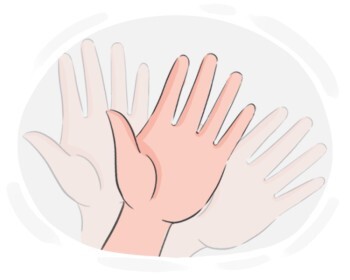
a gesture or signal made with the hand or arm, often as a form of greeting or farewell
gesztus, integetés
A koncert végén az énekes intett a közönségnek, mielőtt elhagyta a színpadot.

something that we give to someone because we like them, especially on a special occasion, or to say thank you
ajándék, adomány
Boldog volt a barátaitól kapott meglepetés ajándék miatt.

feeling or showing great surprise
elámult, meglepett
A gyerekek elámult arcai tükrözték csodálkozásukat a varázsló eltűnési mutatványa láttán.

extremely surprising, particularly in a good way
csodálatos, lenyűgöző
Egy csodálatos tortát sütött a barátnője születésnapi bulijára.
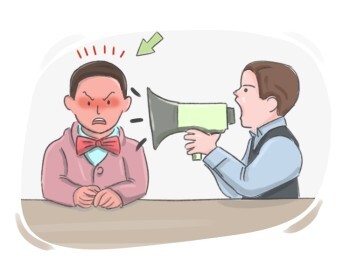
feeling slightly angry or irritated
bosszús, ingerült
Dühös vagyok, hogy az utolsó pillanatban lemondták.
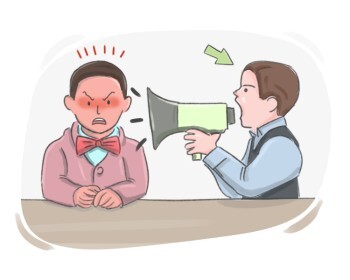
causing slight anger
bosszantó, idegesítő
A idegesítő szokása, hogy folyamatosan dobol a lábával a megbeszélés alatt, mindenkit elterelt.
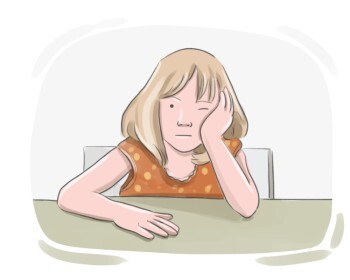
tired and unhappy because there is nothing to do or because we are no longer interested in something
unatkozó, fáradt
Panaszkodott, hogy unyalmában volt a hosszú repülés alatt.

making us feel tired and unsatisfied because of not being interesting
unalmas, fárasztó
Az óra unalmas volt, mert a tanár egyszerűen csak a tankönyvből olvasott.

feeling very unhappy and having no hope
depressziós, lehangolt
Az állásvesztés depressziós és bizonytalan érzéseket hagyott benne a jövővel kapcsolatban.

making one feel sad and hopeless
nyomasztó, szomorú
A világ szegénységéről szóló dokumentumfilm megtekintése depressziós élmény volt.
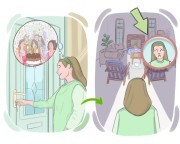
not satisfied or happy with something, because it did not meet one's expectations or hopes
csalódott
Szülei nyilvánvalóan csalódottak voltak, hogy nem ment át a vizsgán.
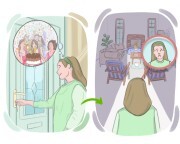
not fulfilling one's expectations or hopes
csalódást keltő, lehangoló
Egy csalódást keltő osztályzat megszerzése a vizsgán nagy csapást mért az önbizalmára.

feeling very happy, interested, and energetic
izgatott,lelkes, very happy and full of energy
Izgatott és ideges volt a táncelőadása előtt.

making us feel interested, happy, and energetic
izgalmas, lelkesítő
A koncert izgalmas volt, a kedvenc együttesem lenyűgöző előadásával.
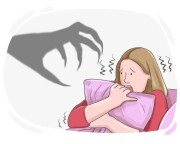
feeling afraid, often suddenly, due to danger, threat, or shock
megijedt, rémült
Az ijedt kifejezés az arcán felfedte a magasságtól való félelmét.

causing one to feel fear
félelmetes, ijesztő
Félelmetes élmény volt eltévedni az erdőben.
impressive or exceptional in a way that seems the result of a sudden creative impulse
megihletett, zseniális
A problémára adott megoldása valóban inspiráló volt.
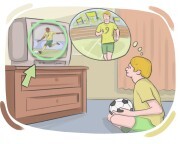
producing feelings of motivation, enthusiasm, or admiration
inspiráló, motiváló
A csapat inspiráló teljesítménye a bajnoki mérkőzésen ámulatban hagyta a tömeget.
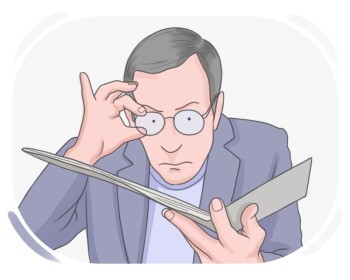
having a feeling of curiosity or attention toward a particular thing or person because one likes them
érdeklődő, kíváncsi
Nem érdekel a politika.
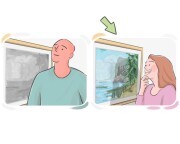
catching and keeping our attention because of being unusual, exciting, etc.
érdekes, lenyűgöző
Érdekes megfigyelni, hogyan fejlődött a technológia az évek során.

feeling calm and at ease without tension or stress
pihent, nyugodt
A kandallónál ülve nyugodtnak érezte magát, miközben hallgatta a lángok ropogását.

helping our body or mind rest
pihentető, nyugtató
Egy nyugodt séta a természetben pihentető és felüdítő lehet.

feeling or showing shock or amazement
meglepett, ámult
Meglepettnek tettette magát, de már tudott a tervről.
causing a feeling of shock, disbelief, or wonder
meglepő, elképesztő
Meglepő, milyen gyorsan telt el az idő.
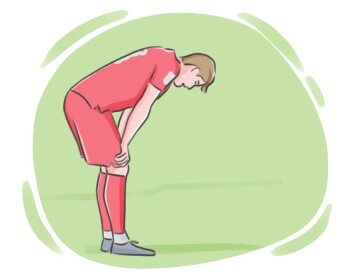
needing to sleep or rest because of not having any more energy
fáradt, kimerült
Fáradtnak érezte magát, és úgy döntött, hogy rövid időre elalszik.
(particularly of an acivity) causing a feeling of physical or mental fatigue or exhaustion
fárasztó, kimerítő
A projekten való hosszú órákig tartó munka fárasztó, de kifizetődő volt.
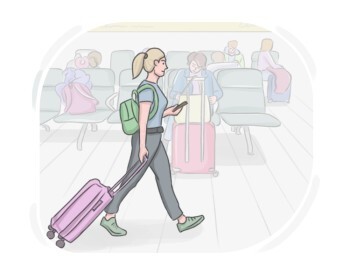
a person who is on a journey or someone who travels a lot
utazó, vándor
Mint szenvedélyes utazó, több mint 50 országot látogatott meg.
