
pattern

책 Total English - 초중급 - 단원 10 - 참조

여기에서는 Total English Pre-Intermediate 교과서의 Unit 10 - Reference에서 "통근자", "탑승하다", "페리" 등의 어휘를 찾을 수 있습니다.

리뷰

플래시카드

형태

철자법

퀴즈

학습 시작
Total English - Pre-intermediate
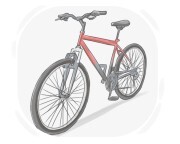
bicycle
bicycle
[명사]

a vehicle with two wheels that we ride by pushing its pedals with our feet

자전거,  바이크

자전거, 바이크

Ex: They are buying a new bicycle for their daughter 's birthday .

그들은 딸의 생일에 새로운 자전거를 사고 있습니다.

닫기
로그인
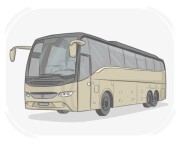
bus
bus
[명사]

a large vehicle that carries many passengers by road

버스, 승합차

버스, 승합차

Ex: The bus was full , so I had to stand for the entire journey .

버스가 가득 차서 나는 전체 여정 동안 서 있어야 했다.

닫기
로그인
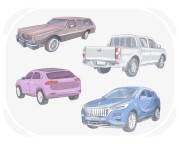
car
car
[명사]

a road vehicle that has four wheels, an engine, and a small number of seats for people

자동차

자동차

Ex: We are going on a road trip and renting a car.

우리는 로드 트립을 가고 를 렌트합니다.
닫기
로그인
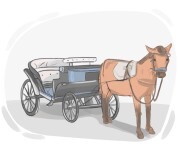
coach
coach
[명사]

a type of carriage or vehicle used for transportation, typically pulled by horses or other animals

마차, 코치

마차, 코치

Ex: The coach carried the guests from the hotel to the ceremony .

마차가 호텔에서 행사장까지 손님들을 태워다 주었습니다.
닫기
로그인
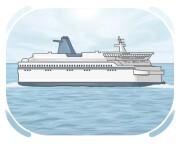
ferry
ferry
[명사]

a boat or ship used to transport passengers and sometimes vehicles, usually across a body of water

페리, 연락선

페리, 연락선

Ex: The ferry operates daily , connecting the two towns across the river .

페리는 매일 운행되어 강 건너 두 마을을 연결합니다.

닫기
로그인
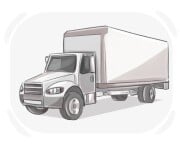
lorry
lorry
[명사]

a large, heavy motor vehicle designed for transporting goods or materials over long distances

트럭

트럭

Ex: He drove the lorry carefully , ensuring that the heavy cargo was secure for the journey .

그는 트럭을 조심스럽게 운전하여 무거운 화물이 여행 중 안전하도록 했습니다.

닫기
로그인
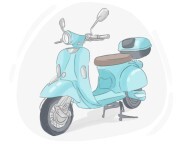
moped
moped
[명사]

a motorcycle with a weak engine and pedals

약한 엔진과 페달이 있는 오토바이, 모페드

약한 엔진과 페달이 있는 오토바이, 모페드

Ex: After getting his moped license, he felt more independent and could easily run errands around town.

모페드 면허를 딴 후, 그는 더 독립적이라고 느꼈고 마을 주변에서 쉽게 심부름을 할 수 있었습니다.

닫기
로그인
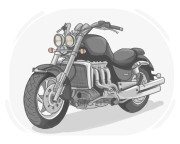
motorbike
motorbike
[명사]

a light vehicle that has two wheels and is powered by an engine

오토바이, 모터사이클

오토바이, 모터사이클

Ex: They decided to take a road trip on their motorbike, stopping at different towns along the way to explore .

그들은 오토바이로 로드 트립을 하기로 결정했고, 길을 따라 다른 마을에 들러 탐험했습니다.

닫기
로그인
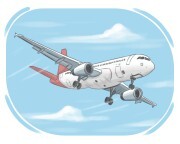
plane
plane
[명사]

a winged flying vehicle driven by one or more engines

비행기

비행기

Ex: The plane landed smoothly at the airport after a long flight .

긴 비행 후 비행기가 공항에 부드럽게 착륙했습니다.

닫기
로그인
taxi
taxi
[명사]

a car that has a driver whom we pay to take us to different places

택시, 테크시

택시, 테크시

Ex: The taxi dropped me off at the entrance of the restaurant .

택시가 나를 레스토랑 입구에 내려주었다.

닫기
로그인
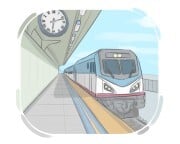
train
train
[명사]

a series of connected carriages that travel on a railroad, often pulled by a locomotive

기차, 열차

기차, 열차

Ex: The train traveled through beautiful countryside .

기차는 아름다운 시골을 여행했습니다.

닫기
로그인
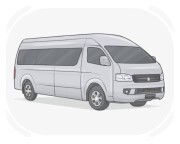
van
van
[명사]

a big vehicle without back windows, smaller than a truck, used for carrying people or things

밴, 소형 트럭

밴, 소형 트럭

Ex: The florist 's van was filled with colorful blooms , ready to be delivered to customers .

꽃집의 은 고객들에게 배달될 준비가 된 화려한 꽃들로 가득 차 있었다.

닫기
로그인
commuter
commuter
[명사]

a train, bus, or airline designed to carry passengers frequently over short or medium distances, especially between residential areas and places of work or study

통근 열차, 통근 교통수단

통근 열차, 통근 교통수단

Ex: The city expanded its commuter bus service to reduce traffic congestion .

도시는 교통 혼잡을 줄이기 위해 통근 버스 서비스를 확장했습니다.

닫기
로그인
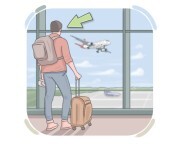
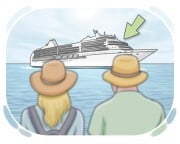
passenger
passenger
[명사]

someone traveling in a vehicle, aircraft, ship, etc. who is not the pilot, driver, or a crew member

승객, 여행자

승객, 여행자

Ex: The passenger on the cruise ship enjoyed a view of the ocean from her cabin .

크루즈 선박의 승객은 그녀의 캐빈에서 바다의 전망을 즐겼습니다.

닫기
로그인
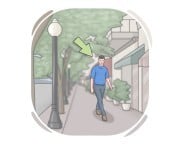
pedestrian
pedestrian
[명사]

a person who is on foot and not in or on a vehicle

보행자, 행인

보행자, 행인

Ex: The pedestrian crossed the street at the designated crosswalk .

보행자가 지정된 횡단보도에서 길을 건넜다.

닫기
로그인
journey
journey
[명사]

the act of travelling between two or more places, especially when there is a long distance between them

여행, 여정

여행, 여정

Ex: The journey to the summit of the mountain tested their physical endurance and mental resilience .

산 정상까지의 여정은 그들의 신체적 인내력과 정신적 회복력을 시험했다.

닫기
로그인
voyage
voyage
[명사]

a long journey taken on a ship or spacecraft

여행, 항해

여행, 항해

Ex: The documentary chronicled the voyage of a famous explorer and the discoveries made along the way .

그 다큐멘터리는 유명한 탐험가의 항해와 그 길에서 이루어진 발견들을 기록했다.

닫기
로그인
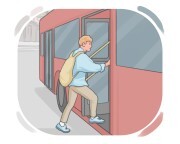
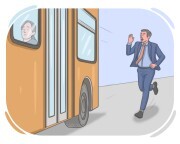
to catch
to catch
[동사]

to reach and get on a bus, aircraft, or train in time

잡다, 타다

잡다, 타다

Ex: They plan to leave the party early to catch the last ferry back home .

그들은 집으로 가는 마지막 페리를 타기 위해 파티에서 일찍 떠날 계획이다.

닫기
로그인
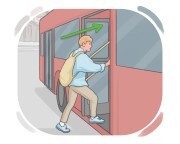
to get into
to get into
[동사]

to enter or reach a location

들어가다, 도착하다

들어가다, 도착하다

Ex: They finally got into the stadium after waiting in line .

그들은 줄을 서서 기다린 끝에 마침내 경기장에 들어갔다.

닫기
로그인
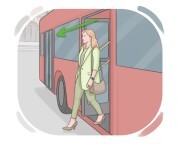
to get off
to get off
[동사]

to leave a bus, train, airplane, etc.

내리다, 떠나다

내리다, 떠나다

Ex: He was the last one to get off the subway at the final station .

그는 마지막 역에서 지하철에서 내리는 마지막 사람이었습니다.

닫기
로그인
to miss
to miss
[동사]

to fail to catch a bus, airplane, etc.

놓치다, 못 타다

놓치다, 못 타다

Ex: She was so engrossed in her book that she missed her metro stop .

그녀는 책에 너무 몰두해서 지하철 역을놓쳤다.

닫기
로그인
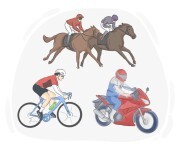
to ride
to ride
[동사]

to sit on open-spaced vehicles like motorcycles or bicycles and be in control of their movements

타다, 운전하다

타다, 운전하다

Ex: John decided to ride his road bike to work , opting for a more eco-friendly and health-conscious commute .

존은 더 친환경적이고 건강을 중시하는 출퇴근을 선택하며 직장에 가기 위해 로드 바이크를 타기로 결정했습니다.

닫기
로그인
to take
to take
[동사]

to use a particular route or means of transport in order to go somewhere

타다, 이용하다

타다, 이용하다

Ex: Take the second exit after the traffic light .

신호등 이후 두 번째 출구를 이용하세요.

닫기
로그인
to shake
to shake
[동사]

to take someone's hand and move it up and down, mainly for greeting

악수하다, 손을 흔들다

악수하다, 손을 흔들다

Ex: The coach shook each player 's hand before the crucial match , instilling confidence in the team .

코치는 중요한 경기 전에 각 선수의 손을 흔들어 팀에 자신감을 불어넣었습니다.

닫기
로그인
handshake
handshake
[명사]

an act of taking a person's hand and shaking it as a greeting or after having made an agreement with them

악수, 손잡기

악수, 손잡기

Ex: The two leaders exchanged a handshake after signing the agreement .

두 지도자는 협정 서명 후 악수를 나눴다.

닫기
로그인
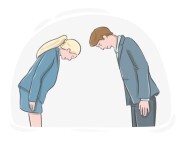
to bow
to bow
[동사]

to bend the head or move the upper half of the body forward to show respect or as a way of greeting

절하다, 머리를 숙이다

절하다, 머리를 숙이다

Ex: In the dojo , students were taught not only how to fight but also how to bow as a mark of mutual respect .

도장에서 학생들은 싸우는 방법뿐만 아니라 상호 존중의 표시로 절하는 방법도 배웠습니다.

닫기
로그인
bow
bow
[명사]

a bending of the head, body, or knee as a gesture of respect, submission, greeting, or shame

절, 인사

절, 인사

Ex: He lowered his head in a bow of apology .

그는 사과의 인사로 고개를 숙였다.

닫기
로그인
kiss
kiss
[명사]

a gentle touch with the lips, especially to show respect or liking

키스, 입맞춤

키스, 입맞춤

Ex: As the sun set behind the mountains , they shared a tender kiss, sealing their love beneath the painted sky .

해가 산 뒤로 질 때, 그들은 부드러운 키스를 나누며 그림 같은 하늘 아래 그들의 사랑을 인봉했다.

닫기
로그인
wave
wave
[명사]

a gesture or signal made with the hand or arm, often as a form of greeting or farewell

제스처, 손 흔들기

제스처, 손 흔들기

Ex: The coach gave a friendly wave to the players as they left the field after the match .

코치는 경기 후 선수들이 필드를 떠날 때 친근하게 손을 흔들어 주었다.

닫기
로그인
gift
gift
[명사]

something that we give to someone because we like them, especially on a special occasion, or to say thank you

선물, 증정품

선물, 증정품

Ex: The couple requested no gifts at their anniversary party .

그 커플은 그들의 기념일 파티에서 선물을 요청하지 않았습니다.

닫기
로그인
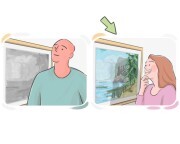
amazed
amazed
[형용사]

feeling or showing great surprise

놀란, 깜짝 놀란

놀란, 깜짝 놀란

Ex: She was amazed by the magician 's final trick .

그녀는 마술사의 마지막 트릭에 놀랐다.

닫기
로그인
amazing
amazing
[형용사]

extremely surprising, particularly in a good way

놀라운, 경이로운

놀라운, 경이로운

Ex: Their vacation to the beach was amazing, with perfect weather every day .

그들의 해변 휴가는 놀라웠고, 매일 완벽한 날씨가 있었습니다.

닫기
로그인
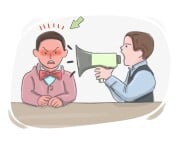
annoyed
annoyed
[형용사]

feeling slightly angry or irritated

짜증난, 성가신

짜증난, 성가신

Ex: She looked annoyed when her meeting was interrupted again .

그녀의 회의가 다시 중단되었을 때 그녀는 짜증난 것처럼 보였다.

닫기
로그인
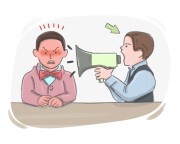
annoying
annoying
[형용사]

causing slight anger

짜증나는, 성가신

짜증나는, 성가신

Ex: The annoying buzzing of mosquitoes kept them awake all night .

모기의 짜증나는 윙윙거림이 그들을 밤새 깨어 있게 했다.

닫기
로그인
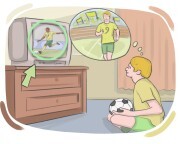
bored
bored
[형용사]

tired and unhappy because there is nothing to do or because we are no longer interested in something

지루한, 싫증난

지루한, 싫증난

Ex: He felt bored during the long , slow lecture .

그는 길고 느린 강의 동안 지루함을 느꼈다.

닫기
로그인
boring
boring
[형용사]

making us feel tired and unsatisfied because of not being interesting

지루한, 피곤하게 하는

지루한, 피곤하게 하는

Ex: The TV show was boring, so I switched the channel .

TV 쇼가 지루해서 채널을 돌렸다.

닫기
로그인
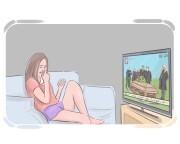
depressed
depressed
[형용사]

feeling very unhappy and having no hope

우울한, 낙담한

우울한, 낙담한

Ex: He became depressed during the long , dark winter .

그는 길고 어두운 겨울 동안 우울해졌다.

닫기
로그인
depressing
depressing
[형용사]

making one feel sad and hopeless

우울한, 슬픈

우울한, 슬픈

Ex: His depressing attitude made it hard to stay positive .

그의 우울한 태도는 긍정적으로 지내기 어렵게 만들었다.

닫기
로그인
disappointed
disappointed
[형용사]

not satisfied or happy with something, because it did not meet one's expectations or hopes

실망한

실망한

Ex: The coach seemed disappointed with the team 's performance .

코치는 팀의 성과에 실망한 것 같았다.

닫기
로그인
disappointing
disappointing
[형용사]

not fulfilling one's expectations or hopes

실망스러운, 낙담시키는

실망스러운, 낙담시키는

Ex: Her reaction to the gift was surprisingly disappointing.

선물에 대한 그녀의 반응은 놀랍게도 실망스러운 것이었다.

닫기
로그인
excited
excited
[형용사]

feeling very happy, interested, and energetic

흥분한,들뜬, very happy and full of energy

흥분한,들뜬, very happy and full of energy

Ex: They were excited to try the new roller coaster at the theme park .

그들은 테마 파크에서 새로운 롤러코스터를 타보는 것에 흥분했습니다.

닫기
로그인
exciting
exciting
[형용사]

making us feel interested, happy, and energetic

흥미진진한, 신나는

흥미진진한, 신나는

Ex: They 're going on an exciting road trip across the country next summer .

그들은 다음 여름에 전국을 흥미진진한 로드 트립을 떠날 예정입니다.

닫기
로그인
frightened
frightened
[형용사]

feeling afraid, often suddenly, due to danger, threat, or shock

겁에 질린, 놀란

겁에 질린, 놀란

Ex: I felt frightened walking alone at night .

나는 밤에 혼자 걸을 때 두려움을 느꼈다.

닫기
로그인
frightening
frightening
[형용사]

causing one to feel fear

무서운, 두려운

무서운, 두려운

Ex: The frightening realization that they had lost their passports in a foreign country set in .

그들이 외국에서 여권을 잃어버렸다는 무서운 깨달음이 밀려왔다.

닫기
로그인
inspired
inspired
[형용사]

impressive or exceptional in a way that seems the result of a sudden creative impulse

영감을 받은, 훌륭한

영감을 받은, 훌륭한

Ex: The film 's ending was an inspired twist .

영화의 결말은 영감을 받은 반전이었다.

닫기
로그인
inspiring
inspiring
[형용사]

producing feelings of motivation, enthusiasm, or admiration

영감을 주는, 동기를 부여하는

영감을 주는, 동기를 부여하는

Ex: The teacher gave an inspiring lesson that sparked a love for science in her students.

선생님은 학생들에게 과학에 대한 사랑을 불러일으킨 영감을 주는 수업을 했습니다.

닫기
로그인
interested
interested
[형용사]

having a feeling of curiosity or attention toward a particular thing or person because one likes them

관심 있는, 호기심 많은

관심 있는, 호기심 많은

Ex: The children were very interested in the magician 's tricks .

아이들은 마술사의 마술에 매우 관심이 많았습니다.

닫기
로그인
interesting
interesting
[형용사]

catching and keeping our attention because of being unusual, exciting, etc.

흥미로운, 매혹적인

흥미로운, 매혹적인

Ex: The teacher made the lesson interesting by including interactive activities .

선생님은 인터랙티브 활동을 포함시켜 수업을 흥미롭게 만들었습니다.

닫기
로그인
relaxed
relaxed
[형용사]

feeling calm and at ease without tension or stress

편안한, 느긋한

편안한, 느긋한

Ex: Breathing deeply and focusing on the present moment helps to promote a relaxed state of mind .

깊게 숨을 쉬고 현재 순간에 집중하는 것은 편안한 마음 상태를 촉진하는 데 도움이 됩니다.

닫기
로그인
relaxing
relaxing
[형용사]

helping our body or mind rest

편안한, 휴식을 주는

편안한, 휴식을 주는

Ex: The sound of the waves crashing against the shore was incredibly relaxing.

해안가에 부딪치는 파도의 소리는 믿을 수 없을 정도로 편안한 것이었습니다.

닫기
로그인
surprised
surprised
[형용사]

feeling or showing shock or amazement

놀란, 깜짝 놀란

놀란, 깜짝 놀란

Ex: She was genuinely surprised at how well the presentation went .

그녀는 프레젠테이션이 얼마나 잘 진행되었는지 진심으로 놀랐다.

닫기
로그인
surprising
surprising
[형용사]

causing a feeling of shock, disbelief, or wonder

놀라운, 깜짝 놀랄 만한

놀라운, 깜짝 놀랄 만한

Ex: The surprising kindness of strangers made her day .

낯선 사람들의 놀라운 친절이 그녀의 하루를 만들었다.

닫기
로그인
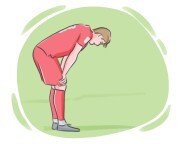
tired
tired
[형용사]

needing to sleep or rest because of not having any more energy

피곤한,  지친

피곤한, 지친

Ex: The toddler was too tired to finish his dinner .

그 유아는 너무 피곤해서 저녁을 다 먹을 수 없었다.

닫기
로그인
tiring
tiring
[형용사]

(particularly of an acivity) causing a feeling of physical or mental fatigue or exhaustion

지치는, 피곤하게 하는

지치는, 피곤하게 하는

Ex: The constant interruptions during the meeting made it feel even more tiring.

회의 중 끊임없는 방해로 인해 더욱 피곤하게 느껴졌습니다.

닫기
로그인
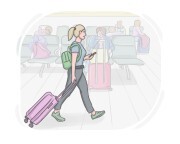
traveler
traveler
[명사]

a person who is on a journey or someone who travels a lot

여행자, 방랑자

여행자, 방랑자

Ex: The traveler navigated the city streets with the help of a map .

여행자는 지도의 도움으로 도시의 거리를 돌아다녔다.

닫기
로그인
LanGeek
LanGeek 앱 다운로드