Buku Total English - Pemula - Unit 2 - Pelajaran 1
Di sini Anda akan menemukan kosakata dari Unit 2 - Pelajaran 1 di buku pelajaran Total English Starter, seperti "memperkenalkan", "nenek", "mereka", dll.
Tinjauan
Kartu flash
Ejaan
Kuis

(phonetics) a speech sound produced without interfering with the flow of air coming through the mouth or nose

vokal, bunyi vokal
Perubahan vokal dalam berbagai bahasa dapat secara signifikan mempengaruhi pengucapan dan makna.

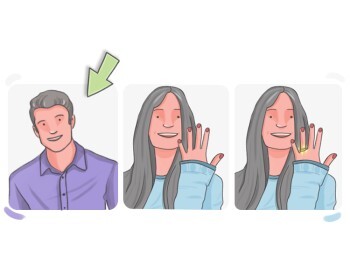
to tell someone our name so they can know us, or to tell them someone else's name so they can know each other, normally happening in the first meeting
memperkenalkan
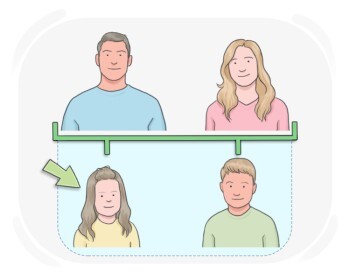
a lady who shares a mother and father with us
saudara perempuan, kakak perempuan
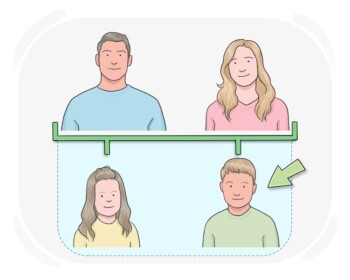
a man who shares a mother and father with us
saudara laki-laki, kakak laki-laki
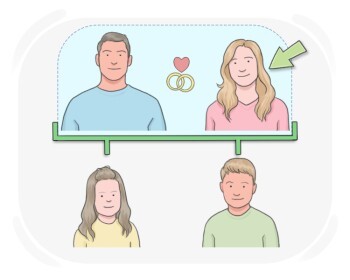
the lady you are officially married to
istri, nyonya
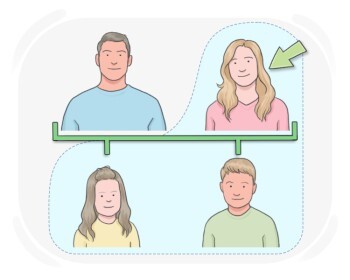
a child's female parent
ibu, bunda
a woman who raises or gives birth to a child
ibu, bunda
Ibu menyiapkan makan malam yang lezat untuk keluarga untuk merayakan ulang tahunnya.
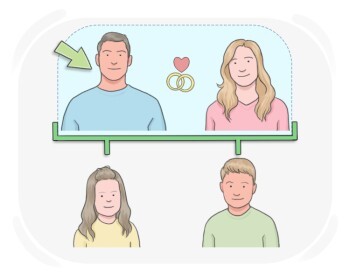
the man you are officially married to
suami, pasangan
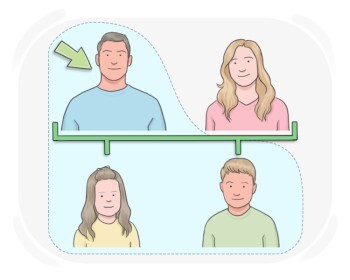
a child's male parent
ayah, bapak
an informal way of calling our father
ayah, bapak
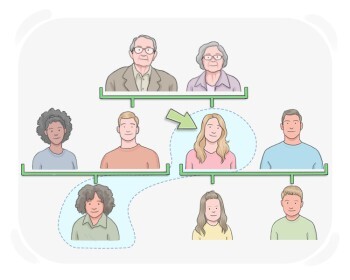
the sister of one's mother or father, or the wife of one's uncle or aunt
the sister of one's mother or father, or the wife of one's uncle or aunt
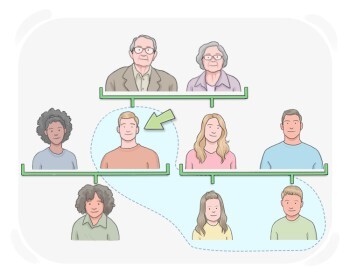
the brother of our father or mother or their sibling's husband
paman, om
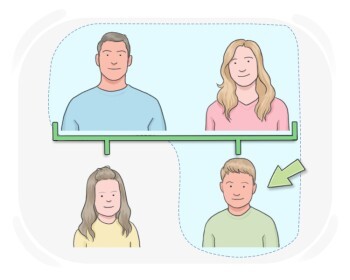
a person's male child
anak laki-laki, putra
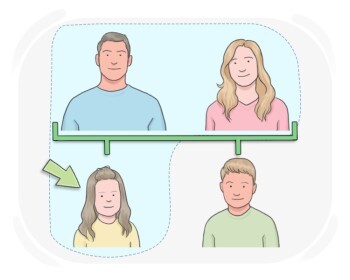
a person's female child
anak perempuan, putri
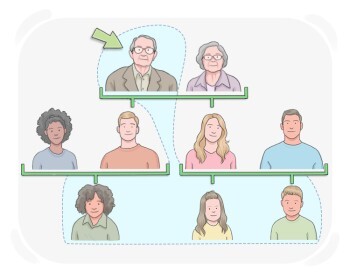
the father of a person's mother or father
kakek
the father of our mother or father
kakek, opung
Teman saya membantu kakeknya dengan kebunnya di musim panas.
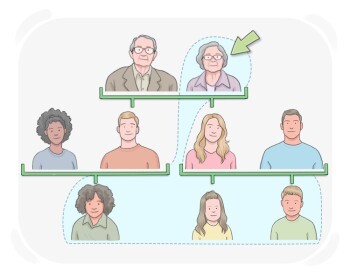
the mother of a person's mother or father
nenek, nenek
the mother of our mother or father
nenek, oma
Nenekku adalah wanita yang baik hati dan dermawan yang dicintai semua orang.
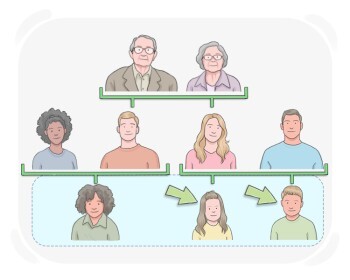
a child of one's aunt or uncle
a child of one's aunt or uncle

(subjective first-person plural pronoun) used by a speaker when they want to talk or write about themselves and at least one other person
kami

(second-person pronoun) used for referring to the one or the people we are writing or talking to
kamu, kalian

(subjective third-person plural pronoun) used when referring to the things or people that were already mentioned
mereka

(first-person plural possessive determiner) of or belonging to a speaker when they want to talk or write about themselves and at least one other person
kami, kita
Sudahkah kamu bertemu dengan tetangga baru kami?

(second-person possessive determiner) of or belonging to the person or people being spoken or written to
milikmu, milik Anda
Apa rencana Anda untuk akhir pekan?

(third-person plural possessive determiner) of or belonging to people, animals, or things that have already been mentioned or are easy to identify
mereka
Kucing-kucing merawat bulu mereka dengan teliti.
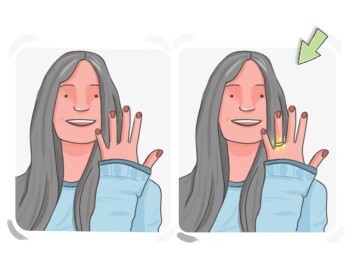
a formal title for a married woman
Ny., Ibu