Cartea Total English - Începător - Unitatea 2 - Lecția 1
Aici veți găsi vocabularul din Unitatea 2 - Lecția 1 din manualul Total English Starter, cum ar fi "a prezenta", "bunica", "lor", etc.
Revizuire
Fișe de studiu
Ortografie
Chestionar

(phonetics) a speech sound produced without interfering with the flow of air coming through the mouth or nose

vocală, sunet vocalic
El a exersat pronunția clară a fiecărei vocale pentru a-și îmbunătăți accentul.

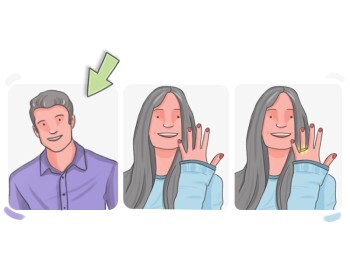
to tell someone our name so they can know us, or to tell them someone else's name so they can know each other, normally happening in the first meeting
prezenta
a lady who shares a mother and father with us
soră, surioară
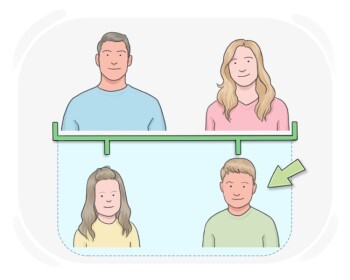
a man who shares a mother and father with us
frate, fratele
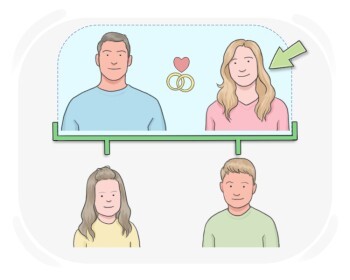
the lady you are officially married to
soție, nevastă
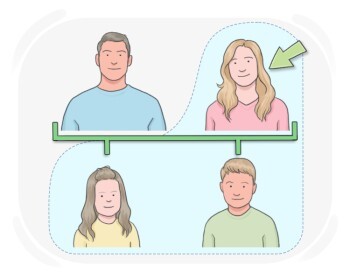
a child's female parent
mamă, mama
a woman who raises or gives birth to a child
mama, mamă
Mama mea știe întotdeauna cum să mă înveselească când mă simt trist.
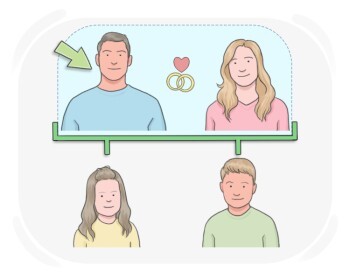
the man you are officially married to
soț, bărbat
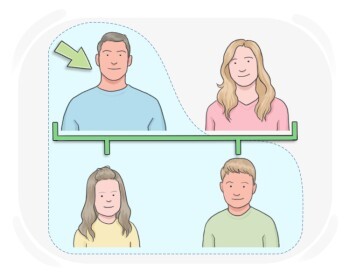
a child's male parent
tată, tata
an informal way of calling our father
tata, tată
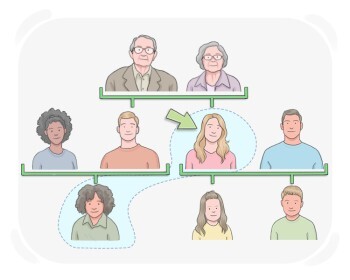
the sister of one's mother or father, or the wife of one's uncle or aunt
the sister of one's mother or father, or the wife of one's uncle or aunt
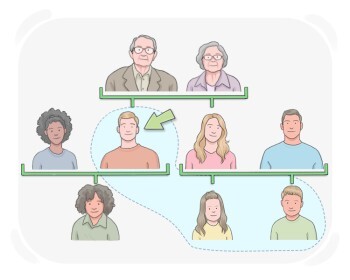
the brother of our father or mother or their sibling's husband
unchi, unchi prin alianță
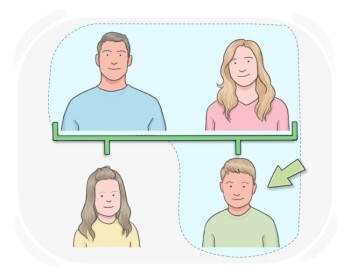
a person's male child
fiu, băiat
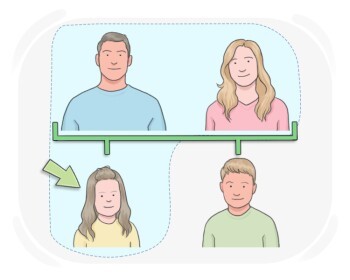
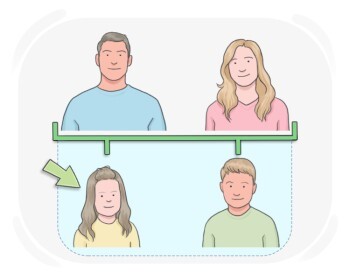
a person's female child
fiică, fată
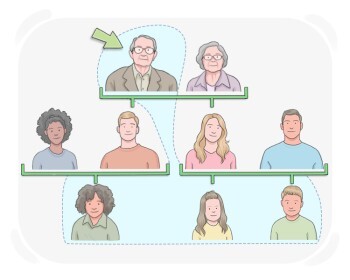
the father of a person's mother or father
bunic
the father of our mother or father
bunic, tataie
Bunicul său îi dă o monedă de argint de fiecare dată când îl vizitează.
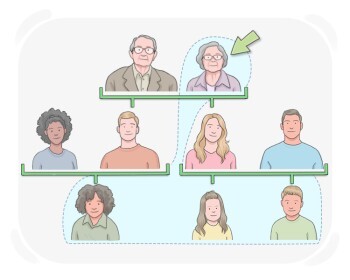
the mother of a person's mother or father
the mother of a person's mother or father
the mother of our mother or father
bunica, mamaie
Îi place să joace cărți cu bunica lui.
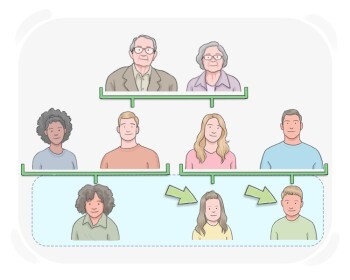
a child of one's aunt or uncle
a child of one's aunt or uncle

(subjective first-person plural pronoun) used by a speaker when they want to talk or write about themselves and at least one other person
noi

(second-person pronoun) used for referring to the one or the people we are writing or talking to
tu, voi

(subjective third-person plural pronoun) used when referring to the things or people that were already mentioned
ei/ele

(first-person plural possessive determiner) of or belonging to a speaker when they want to talk or write about themselves and at least one other person
nostru, noastră
Să contribuim cu toții la nostru proiect comunitar.

(second-person possessive determiner) of or belonging to the person or people being spoken or written to
tău, dumneavoastră
Acesta este rucsacul tău?

(third-person plural possessive determiner) of or belonging to people, animals, or things that have already been mentioned or are easy to identify
lor
Studenții sunt mândri de realizările lor.
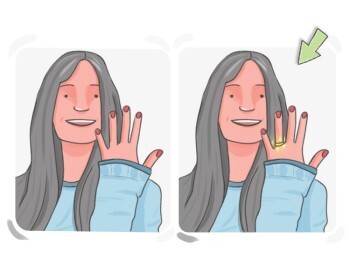
a formal title for a married woman
Doamna, D-na