
Vocabolario Avanzato per il GRE - Ognuno ha diritto alla propria opinione!
Qui imparerai alcune parole inglesi sull'opinione, come "aderire", "gogna", "ondata", ecc. che sono necessarie per l'esame GRE.
Revisione
Flashcard
forme
Ortografia
Quiz


to devotedly follow or support something, such as a rule, belief, plan, etc.

essere fedele a
Egli aderisce agli insegnamenti della sua fede e li pratica devotamente.
to avoid dealing with or leave unresolved a question, issue, or point
eludere

to strongly and harshly criticize someone or something
castigare
Stava rimproverando i suoi dipendenti per non aver rispettato gli standard dell'azienda.

to interpret a certain meaning from something
interpretare
Gli scienziati mirano a interpretare le implicazioni dei risultati sperimentali per avanzare la loro comprensione.
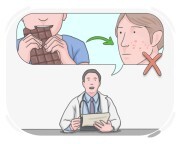
to reveal the exaggeration or falseness of a belief, claim, idea, etc.
sfatare
Nel suo documentario, il regista ha cercato di sfatare le teorie del complotto riguardanti un famoso evento storico.

to intentionally make harmful statements to damage a person or thing's worth or reputation
denigrare
Piuttosto che offrire una critica costruttiva, il critico ha scelto di denigrare l'artista, mettendo in dubbio il suo talento e la sua integrità.
to steer away from the main subject and focus on a different topic in speech or writing
divagare
Mentre discuteva del budget, ha iniziato a divagare in dettagli finanziari non correlati.
to help a student come to a conclusion themselves instead of providing them with an answer directly
dedurre
Nell'esperimento scientifico, l'istruttore ha posto domande guida per evocare i risultati attesi dagli studenti.
to publicly criticize or mock someone
criticare
Entro la fine della giornata, sarà stata pilorizzata dai critici per la sua performance.
to make a statement less general or absolute by adding a limitation, condition, or explanation
qualificare
to either feel or display dissatisfaction
gemere
Domani, si lamenteranno dei risultati della recente revisione.
to be undecided and not know what opinion, idea, or course of action to stick to
tentennare
Lui esita se trasferirsi in una nuova città o rimanere dove si trova.
the quality of being very challenging to explain or understand
enigma
Le sue motivazioni per la decisione erano un enigma per i suoi colleghi.
the ability to think sensibly and reasonably and decide what should be done
grinta
Il manager apprezzava i dipendenti con il buonsenso di prendere decisioni sensate da soli.
the indirect conveying of what one thinks or wants to say
intimazione
L'insinuazione dell'autore di un significato più profondo è stata rivelata attraverso il sottotesto.
an amount or number that is considered to be large
sbarramento
L'azienda ha registrato una raffica di recensioni positive dopo il lancio del prodotto.
a lengthy speech that uses harsh and angry language and intends to condemn or criticize
diatriba
È rimasta senza parole dopo la sua filippica arrabbiata sui recenti cambiamenti.
used when introducing additional information to a statement that has just been made
lo stesso
Era preoccupato per il budget, e gli investitori allo stesso modo avevano preoccupazioni finanziarie.
(of cases, statements, etc.) capable of making others believe that something is true with the use of logic and reasoning
cogente
Il suo argomento cogente ha persuaso la giuria a raggiungere una decisione unanime.

expressed very clearly, leaving no doubt or confusion
esplicito
La sua spiegazione esplicita ha chiarito la procedura complessa per tutti.
logically or factually flawed
fallace, ingannevole
La credenza che tutti i cigni siano bianchi è fallace.
having the quality of being closely connected to the subject at hand in a way that is appropriate
pertinente
Le sue domande erano pertinenti alla discussione sul miglioramento della performance della squadra.
giving a highly exaggerated and flattering representation of a person as if they are perfect
agiografica
I critici hanno accusato il documentario di presentare una visione agiografica della celebrità.

suggesting something without directly stating it
implicito
having a quality that is criticizing and harsh, yet humorous
mordente
Hanno apprezzato il commento mordace nell'editoriale per le sue osservazioni intelligenti ma dure.
behaving in such a manner that displays one's lack of maturity and common sense
puerile
Il film è stato criticato per il suo umorismo puerile e la mancanza di profondità.
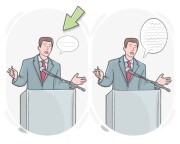
keeping one's speech short but extremely meaningful
sentenzioso
I discorsi motivazionali sentenziosi dell'allenatore erano sempre brevi ma pieni di saggezza motivante.
expressing one's ideas and opinions so clearly that it leaves no room for doubt
inequivocabile
Ha fatto una dichiarazione inequivocabile sulla sua posizione riguardo al problema.
something that is very desirable, yet almost impossible to achieve
chimera, illusione
Il lavoro perfetto, senza stress e con paga illimitata, è una chimera per la maggior parte delle persone.
