
Vocabular Avansat pentru GRE - Fiecare are dreptul la propria opinie!
Aici veți învăța câteva cuvinte în engleză despre opinie, cum ar fi "a adera", "a pune la pilori", "potop" etc. care sunt necesare pentru examenul GRE.
Revizuire
Fișe de studiu
forme
Ortografie
Chestionar


to devotedly follow or support something, such as a rule, belief, plan, etc.

a adera, a urma cu fidelitate
El se ține strict de rutina sa zilnică de exerciții, ploaie sau soare.
to avoid settling or dealing with a problem to avoid responsibility
evita, ocoli
În loc să ofere un răspuns direct, a încercat să evite problema schimbând subiectul.
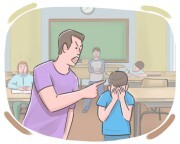
to strongly and harshly criticize someone or something
mustra, critica aspru
Managerul a mustrat angajatul pentru nerespectarea constantă a termenelor limită.

to interpret a certain meaning from something
interpreta, înțelege
Avocații interpretează adesea documentele juridice pentru a înțelege implicațiile lor.
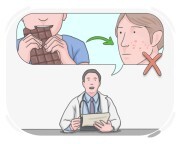
to reveal the exaggeration or falseness of a belief, claim, idea, etc.
demonta, dezminți
Omul de știință a lucrat pentru a demonta mitul conform căruia consumul de ciocolată cauzează acnee, efectuând studii riguroase pentru a infirma afirmația.

to intentionally make harmful statements to damage a person or thing's worth or reputation
denigra, calomnia
Ziarul de tip tabloid a denigrat în mod constant celebritatea, răspândind zvonuri false pentru a-i păta reputația.
to steer away from the main subject and focus on a different topic in speech or writing
a devia de la subiect, a se abate de la subiectul principal
Nu vreau să mă abat prea mult de la punctul principal al argumentului meu.
to help a student come to a conclusion themselves instead of providing them with an answer directly
provoca, induce
În timpul experimentului științific, instructorul a pus în mod deliberat întrebări pentru a elicia ipoteze și concluzii de la studenți.
to publicly criticize or mock someone
a pune la pilor, a critica public
Mass-media a bătut joc de celebritate pentru remarcile ei controversate.
to restate something one has already said in order to limit the meaning it conveys
califica, limita
Ea a calificat comentariul său explicând contextul mai detaliat.
to either feel or display dissatisfaction
a se plânge, a regreta
Ea s-a plâns săptămâni întregi din cauza oportunității ratate.
to be undecided and not know what opinion, idea, or course of action to stick to
ezita, oscila
Ea ezită în prezent la care colegiu să meargă anul viitor.
the quality of being very challenging to explain or understand
enigmă, mister
Ea avea întotdeauna un aer de mister în jurul ei, făcând-o un enigmă chiar și pentru cei mai apropiați prieteni ai săi.
the ability to think sensibly and reasonably and decide what should be done
bunul simț, initiativa
Îndemânarea ei i-a permis să navigheze cu ușurință prin negocierile complexe.
the indirect conveying of what one thinks or wants to say
insinuare, aluzie
Sugestia ei de nemulțumire a fost clară, chiar dacă nu a spus-o niciodată direct.
an amount or number that is considered to be large
un val, un flux
A existat o serie de plângeri cu privire la noua politică.
a lengthy speech that uses harsh and angry language and intends to condemn or criticize
tiradă
Managerul a ținut o tiradă împotriva performanței slabe a echipei.
used when introducing additional information to a statement that has just been made
la fel, de asemenea
Ea iubește pictura; fratele ei la fel se bucură să-și petreacă timpul în studio.
(of cases, statements, etc.) capable of making others believe that something is true with the use of logic and reasoning
convingător, logic
Prezentarea convingătoare a dovezilor de către avocat nu a lăsat nicio îndoială în mintea juriului cu privire la vinovăția acuzatului.
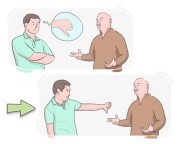
expressed very clearly, leaving no doubt or confusion
explicit, clar
Instrucțiunile au fost explicite, nefiind loc de neînțelegeri.
logically or factually flawed
înșelător, greșit
Concluzia raportului a fost eronată deoarece s-a bazat pe date învechite.
having the quality of being closely connected to the subject at hand in a way that is appropriate
pertinent, conectat
Comentariile profesorului au fost relevante pentru subiectul prelegerii.
giving a highly exaggerated and flattering representation of a person as if they are perfect
hagiografic, lingusitor
Biografia a fost criticată pentru portretizarea hagiografică a politicianului.

suggesting something without directly stating it
implicit, subînțeles
having a quality that is criticizing and harsh, yet humorous
mușcător
A scris o recenzie mușcătoare a filmului, combinând critica ascuțită cu umor negru.
behaving in such a manner that displays one's lack of maturity and common sense
pueril, imatur
Glumele lui puerile au fost nepotrivite pentru întâlnirea serioasă.
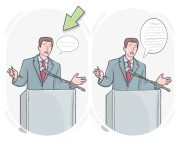
keeping one's speech short but extremely meaningful
sentențios, laconic
Remarciile succinte dar pline de sens ale vorbitorului au lăsat o impresie profundă asupra publicului.
expressing one's ideas and opinions so clearly that it leaves no room for doubt
fără echivoc
Sprijinul ei fără echivoc pentru politică a fost evident în discursul său.
