
Scienze ACT - Neurologia e Biochimica del Sangue
Impara il vocabolario scientifico ACT per la neurologia e la biochimica del sangue, inclusi il sistema nervoso, la funzione cerebrale, i componenti del sangue, la circolazione e i processi biochimici.
Revisione
Flashcard
Ortografia
Quiz

the process by which new neurons are generated in the brain, occurring primarily during prenatal development but also continuing into adulthood in certain brain regions

neurogenesi, generazione di neuroni
La neurogenesi nel sistema olfattivo permette il continuo rinnovamento dei neuroni coinvolti nella percezione degli odori.
a neurological phenomenon where stimulation of one sensory or cognitive pathway leads to automatic, involuntary experiences in a second sensory or cognitive pathway
sinestesia, sinestesia
La sinestesia può manifestarsi in varie forme, come associare numeri a colori specifici.
a physical feeling or perception produced by stimulation of the body or a sense organ
sensazione
a cell that is responsible for transmitting nerve impulses between the brain and the rest of the body
neurone
L'apprendimento e la memoria dipendono dalla capacità dei neuroni di formare nuove connessioni.
the tissue in the central nervous system composed of myelinated nerve fibers
sostanza bianca, materia bianca
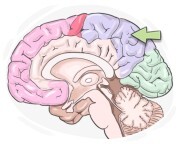
the outer layer of neural tissue in the parietal lobe involved in sensory processing and spatial awareness
corteccia parietale, cortex parietale
the temporary storage of information that is currently being used or actively processed by the brain, typically for a few seconds to a few minutes
memoria a breve termine, memoria immediata
La memoria a breve termine è essenziale per completare compiti che richiedono il richiamo immediato di istruzioni o dettagli.
a chemical substance that transmits messages from a neuron to another one or to a muscle
neurotrasmettitore
I neurotrasmettitori trasmettono segnali da un neurone all'altro attraverso le sinapsi.
a curved structure in the brain responsible for memory formation, learning, and spatial navigationa curved structure in the brain responsible for memory formation, learning, and spatial navigation
ippocampo, struttura ippocampale
a scientist who studies the structure, function, and disorders of the nervous system, including the brain and spinal cord
neuroscienziato, specialista in neuroscienze
Molti neuroscienziati collaborano tra discipline per svelare le complessità dello sviluppo del cervello.
a junction between two nerve cells, consisting of a minute gap across which impulses pass by diffusion of a neurotransmitter
sinapsi, giunzione sinaptica
La potenziazione a lungo termine (LTP) è un fenomeno che si verifica a livello delle sinapsi, associato al rafforzamento delle connessioni sinaptiche e all'apprendimento e alla memoria.
a comprehensive map or diagram that depicts the complete set of neural connections within a nervous system
connectoma, mappa delle connessioni neurali
relating to the part of the nervous system that promotes relaxation and digestion in the body
parasimpatico
Alcune tecniche di meditazione possono migliorare la funzione parasimpatica, riducendo i livelli di stress.
a mental condition that is not caused by organic disease in which one is constantly anxious, worried, and stressed
nevrosi
I sintomi della nevrosi possono includere sentimenti persistenti di tristezza, irritabilità e paura, spesso senza una causa chiara o razionale.
relating to bodily functions that occur automatically, without conscious effort or control
autonomo, vegetativo
La risposta di lotta o fuga è un esempio di reazione autonoma a una minaccia percepita.
the branch of medicine and physiology dealing with the endocrine system that controls the hormones in one's body
endocrinologia
Una carriera in endocrinologia richiede una profonda comprensione del sistema endocrino, comprese ghiandole come l'ipofisi, la tiroide e il pancreas.
a hormone produced by the pineal gland that regulates sleep-wake cycles and promotes restful sleep
melatonina, ormone del sonno
a hormone produced mainly by the stomach that stimulates appetite and regulates hunger
grelina, ormone della fame
I livelli di grelina diminuiscono dopo aver mangiato, contribuendo alla sensazione di sazietà e alla riduzione della fame.
a hormone produced primarily by fat cells that helps regulate energy balance by inhibiting hunger and promoting feelings of fullness
leptina, ormone della sazietà
(biochemistry) the main female sex hormone that controls reproduction and female traits
estrogeno
a neurotransmitter primarily found in the brain and gastrointestinal tract that plays a key role in mood regulation, appetite, sleep, and various physiological functions
serotonina, 5-idrossitriptamina (5-HT)
Lo squilibrio della serotonina può contribuire a disturbi dell'umore come la depressione o l'ansia.
(biochemistry) a hormone and neurotransmitter that prepares the body for action and helps maintain alertness and focus
norepinefrina
a compound released by cells in response to injury, allergy, or immune reactions, causing inflammation, itching, and other allergy symptoms
istamina
Le allergie scatenano il rilascio di istamina, causando sintomi come starnuti e occhi che lacrimano.
a biochemical assembly that transports fats in the bloodstream, composed of proteins and lipids
lipoproteina, proteina lipidica
La ricerca mostra che i cambiamenti nella dieta e nello stile di vita possono influenzare i livelli di lipoproteina e la salute generale del cuore.
a biological indicator found in blood that can be measured and evaluated to indicate a particular physiological or pathological condition, or the response to treatment
biomarcatore, marcatore biologico
(biochemistry) a small molecule that cells link together to build proteins
aminoacido
a medical condition characterized by an excess of acid in the blood and body tissues, resulting in a lower pH than normal
acidosi, acidemia
Il trattamento dell'acidosi si concentra sul correggere la causa sottostante e sul ripristinare l'equilibrio acido-base nel corpo.
a medical condition characterized by an excess of base or alkali in the blood and body tissues, resulting in a higher pH than normal
alcalosi, alcalemia
Il trattamento dell'alcalosi si concentra sull'affrontare la causa sottostante e sul ripristinare l'equilibrio acido-base nel corpo.
having the ability to restrain, limit, or suppress activity or function
inibitorio, frenante
I processi inibitori del cervello prevengono il sovraccarico sensoriale filtrando le informazioni non necessarie.
a protein that carries oxygen in red blood cells
emoglobina, globina
L'anemia deriva da un'emoglobina insufficiente.
