pattern

Cambridge IELTS 19 - Accademico - Test 2 - Lettura - Passaggio 2 (3)

Impara il vocabolario dalla terza parte del Cambridge IELTS 19 Academic, Test 2 Reading Passage 2, con parole ed espressioni utili dal testo.

Revisione

Flashcard

forme

Ortografia

Quiz

Inizia a imparare
Cambridge IELTS 19 - Academic
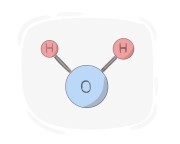
chemical compound
chemical compound
[sostantivo]

(chemistry) a substance formed by the chemical combination of two or more elements in a fixed ratio

composto chimico, combinazione chimica

composto chimico, combinazione chimica

Ex: Carbon dioxide is a chemical compound essential for plant photosynthesis. 

L'anidride carbonica è un composto chimico essenziale per la fotosintesi delle piante.

Chiudi
Accedi
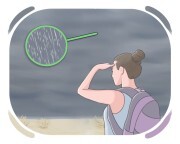
to account for

to provide explanations or reasons for a particular situation or set of circumstances

spiegare

spiegare

Ex: It's important to account for the factors that led to the project's delay. 

È importante tenere conto dei fattori che hanno portato al ritardo del progetto.
Chiudi
Accedi
to indicate

to show, point out, or suggest the existence, presence, or nature of something

indicare

indicare

Ex: The experiment indicates a positive correlation between the variables. 
Chiudi
Accedi
link
link
[sostantivo]

a relationship or connection between two or more things or people

collegamento, relazione

collegamento, relazione

Ex: Researchers found a link between stress and poor sleep. 
Chiudi
Accedi
mention
mention
[sostantivo]

a short reference to someone or something, often made in speech or writing without giving many details

menzione, riferimento

menzione, riferimento

Ex: Her efforts earned her a mention in the company newsletter. 
Chiudi
Accedi
to perceive

to understand, regard, or think about someone or something in a particular way

percepire

percepire

Ex: People may perceive the same situation in very different ways. 
Chiudi
Accedi
to view
to view
[Verbo]

to regard or consider something in a particular way

considerare, vedere

considerare, vedere

Ex: The teacher views her students with compassion and understanding. 
Chiudi
Accedi
stage
stage
[sostantivo]

a segment or phase of a journey or process

tappa, fase

tappa, fase

Ex: The final stage of their training involves fieldwork and practical application. 
Chiudi
Accedi
to drop out

to admit defeat and discontinue an effort

abbandonare, gettare la spugna

abbandonare, gettare la spugna

Ex: When the business encountered insurmountable challenges, the entrepreneur had to reluctantly drop out and reconsider the strategy. 

Quando l'azienda ha incontrato sfide insormontabili, l'imprenditore ha dovuto ritirarsi con riluttanza e riconsiderare la strategia.

Chiudi
Accedi
symptom
symptom
[sostantivo]

anything that occurs alongside a particular condition or phenomenon, serving as an indication of its presence or existence

sintomo, indizio

sintomo, indizio

Ex: The decline in wildlife populations is a symptom of environmental degradation. 
Chiudi
Accedi
measure
measure
[sostantivo]

any action or maneuver taken as part of a plan or strategy to achieve a specific goal or progress toward an objective

misura, provvedimento

misura, provvedimento

Ex: As a precautionary measure, they installed smoke detectors throughout the building. 
Chiudi
Accedi
aspect
aspect
[sostantivo]

a defining or distinctive feature of something

aspetto

aspetto

Ex: Climate change affects every aspect of our daily lives. 
Chiudi
Accedi
post
post
[sostantivo]

a piece of writing, image, etc. published online, usually on a social media website or application, or a blog

posta

posta

Ex: They shared a post to raise awareness about an upcoming charity event. 
Chiudi
Accedi
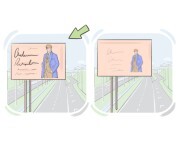
severe
severe
[aggettivo]

intense or extreme in impact

severo, grave
severo, grave

Ex: The severe drought caused crops to fail across the region. 
Chiudi
Accedi
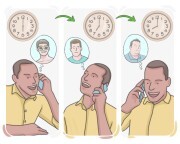
apparent
apparent
[aggettivo]

easy to see or notice

evidente

evidente

Ex: The apparent damage to the car suggested it had been in an accident. 

I danni apparenti all'auto suggerivano che era stata in un incidente.
Chiudi
Accedi
frequently
frequently
[avverbio]

regularly and with short time in between

frequentemente

frequentemente

Ex: The software is updated frequently to address bugs and improve performance. 

Il software viene aggiornato frequentemente per correggere bug e migliorare le prestazioni.
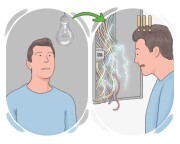
Chiudi
Accedi
to encounter

to be faced with an unexpected difficulty during a process

incontrare
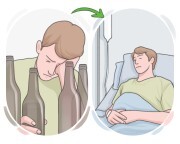
incontrare

Ex: Entrepreneurs must be prepared to encounter setbacks and adapt their strategies. 
Chiudi
Accedi
to suffer
to suffer
[Verbo]

to experience and be affected by something bad or unpleasant

soffrire

soffrire

Ex: The town suffered serious damage during the storm. 
Chiudi
Accedi
episode
episode
[sostantivo]

a particular event or group of related events forming part of a larger sequence or experience

episodio

episodio

Ex: The incident became a memorable episode in the town's history. 
Chiudi
Accedi
to couple
to couple
[Verbo]

to join or connect together to form a pair

accoppiare, unire

accoppiare, unire

Ex: The gears couple smoothly, allowing power to pass between them. 
Chiudi
Accedi
heart disease
heart disease
[sostantivo]

a broad term encompassing various conditions affecting the heart, including coronary artery disease, heart failure, and valvular disorders

malattia cardiaca

malattia cardiaca

Ex: Family history plays a role in determining one's predisposition to certain types of heart disease. 

La storia familiare gioca un ruolo nel determinare la predisposizione di una persona a certi tipi di malattia cardiaca.
Chiudi
Accedi
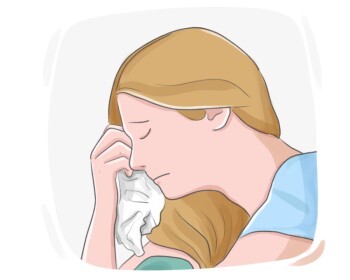
depression
depression
[sostantivo]

a mental health condition characterized by persistent sadness, loss of interest, and reduced energy or motivation

depressione
depressione

Ex: He spoke openly about his experience of living with depression. 
Chiudi
Accedi
to ensure
to ensure
[Verbo]

to make sure that something will happen

assicurare

assicurare

Ex: The captain ensured the safety of the passengers during the storm. 
Chiudi
Accedi
to promote
to promote
[Verbo]

to help or support the progress or development of something

promuovere

promuovere

Ex: The manager worked to promote teamwork within the group. 
Chiudi
Accedi
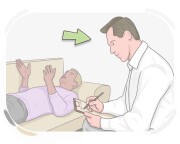
through
through
[Preposizione]

used to indicate the method or channel by which something is done

per, attraverso

per, attraverso

Ex: She applied for the position through a recruiter. 

Ha fatto domanda per la posizione attraverso un reclutatore.
Chiudi
Accedi
psychologist
psychologist
[sostantivo]

a professional who studies the mind, emotions, and behavior, sometimes applying this knowledge to assessment or treatment

psicologo

psicologo

Ex: The school psychologist met with Sarah's parents to discuss her learning difficulties. 
Chiudi
Accedi
rather than
rather than
[Preposizione]

used to indicate a preference between two alternatives, often suggesting one option is chosen over the other

piuttosto che

piuttosto che

Ex: I prefer tea rather than coffee in the mornings. 

Preferisco il tè piuttosto che il caffè al mattino.

Chiudi
Accedi
nerves
nerves
[sostantivo]

feelings of worry, anxiety, or nervous tension

nervi, ansia

nervi, ansia

Ex: The unexpected delay only added to his nerves. 
Chiudi
Accedi
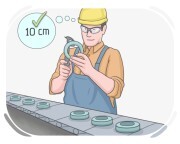
visualisation
visualisation
[sostantivo]

a mental image that is similar to a visual perception

visualizzazione, immagine mentale

visualizzazione, immagine mentale

Chiudi
Accedi
mental picture
mental picture
[sostantivo]

a clear and telling mental image

immagine mentale, rappresentazione mentale
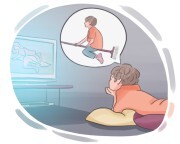
immagine mentale, rappresentazione mentale

Chiudi
Accedi
to picture
to picture
[Verbo]

to create a mental image or representation

immaginare, figurarsi

immaginare, figurarsi

Ex: She pictured herself living in a cozy cottage by the sea. 
Chiudi
Accedi
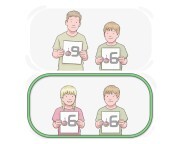
competitive
competitive
[aggettivo]

referring to a situation in which teams, players, etc. are trying to defeat their rivals

competitivo

competitivo

Ex: Competitive industries often drive innovation and efficiency. 

Le industrie competitive spesso guidano l'innovazione e l'efficienza.
Chiudi
Accedi
peer
peer
[sostantivo]

a person who is the same age, has the same social status, or has similar abilities or qualifications as another person

pari, uguale

pari, uguale

Ex: Teenagers may feel pressure to behave like their peers. 
Chiudi
Accedi
sense
sense
[sostantivo]

an overall, conscious recognition or understanding of a situation, feeling, or environment

senso, sensazione

senso, sensazione

Ex: He couldn't shake the sense that something bad was about to happen. 
Chiudi
Accedi
session
session
[sostantivo]

a scheduled period of teaching, instruction, or learning activities conducted within a defined timeframe

sessione, lezione

sessione, lezione

Ex: The afternoon session began with a hands-on laboratory experiment to reinforce concepts learned earlier in the day. 
Chiudi
Accedi
sportsperson
sportsperson
[sostantivo]

a person who takes part in sports, either professionally or for enjoyment

sportivo, atleta

sportivo, atleta

Ex: Many admire the discipline shown by a true sportsperson. 

Molti ammirano la disciplina mostrata da un vero sportivo.

Chiudi
Accedi
threat
threat
[sostantivo]

something that poses danger or the possibility of harm

manaccia

manaccia

Ex: Climate change is a global threat. 
Chiudi
Accedi
to score
to score
[Verbo]

to record or keep track of the points, goals, or runs achieved by players or teams during a game or contest

segnare, tenere il punteggio

segnare, tenere il punteggio

Ex: The coach asked who would score the game during practice. 
Chiudi
Accedi
nota bene
nota bene
[sostantivo]

a Latin phrase (or its abbreviation) used to indicate that special attention should be paid to something

nota bene, nota bene

nota bene, nota bene

Chiudi
Accedi
LanGeek
Scarica l'app LanGeek