pattern

Cambridge IELTS 19 - Academic - Test 2 - Czytanie - Fragment 2 (3)

Ucz się słownictwa z trzeciej części Cambridge IELTS 19 Academic, Test 2 Reading Passage 2, z przydatnymi słowami i wyrażeniami z tekstu.

Przegląd

Fiszki

formy

Pisownia

Test
Zacznij naukę
Cambridge IELTS 19 - Academic
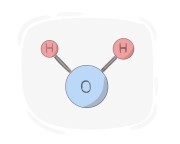
chemical compound
chemical compound
[Rzeczownik]

(chemistry) a substance formed by the chemical combination of two or more elements in a fixed ratio

związek chemiczny, kombinacja chemiczna

związek chemiczny, kombinacja chemiczna

Ex: Methane is a chemical compound that consists of one carbon atom and four hydrogen atoms. 

Metan to związek chemiczny składający się z jednego atomu węgla i czterech atomów wodoru.

to account for
to account for
[Czasownik]

to provide explanations or reasons for a particular situation or set of circumstances

wyjaśniać, uzasadniać

wyjaśniać, uzasadniać

Ex: The professor asked the students to account for their choices in their research methodology. 

Profesor poprosił studentów, aby wyjaśnili swoje wybory w metodologii badań.
to indicate
to indicate
[Czasownik]

to show, point out, or suggest the existence, presence, or nature of something

wskazywać, pokazywać

wskazywać, pokazywać

Ex: The experiment indicates a positive correlation between the variables. 
link
link
[Rzeczownik]

a relationship or connection between two or more things or people

łącze, relacja

łącze, relacja

Ex: The link between the two events was not immediately obvious. 
mention
mention
[Rzeczownik]

a short reference to someone or something, often made in speech or writing without giving many details

wzmianka, odniesienie

wzmianka, odniesienie

Ex: His name received a brief mention during the meeting. 
to perceive
to perceive
[Czasownik]

to understand, regard, or think about someone or something in a particular way

postrzegać,  uważać

postrzegać, uważać

Ex: Daniel does not perceive himself as an expert. 
to view
to view
[Czasownik]

to regard or consider something in a particular way

postrzegać, uważać

postrzegać, uważać

Ex: He views his job as an opportunity for personal growth and development. 
stage
stage
[Rzeczownik]

a segment or phase of a journey or process

etap, faza

etap, faza

Ex: The first stage of their road trip took them through scenic mountains. 
to drop out
to drop out
[Czasownik]

to admit defeat and discontinue an effort

poddawać się, rezygnować

poddawać się, rezygnować

Ex: Sometimes it's okay to drop out of a project if it no longer aligns with your goals and values. 

Czasem można zrezygnować z projektu, jeśli nie jest już zgodny z twoimi celami i wartościami.

symptom
symptom
[Rzeczownik]

anything that occurs alongside a particular condition or phenomenon, serving as an indication of its presence or existence

objaw, oznaka

objaw, oznaka

Ex: The rapid increase in temperature was a symptom of the approaching storm. 
measure
measure
[Rzeczownik]

any action or maneuver taken as part of a plan or strategy to achieve a specific goal or progress toward an objective

środek, działanie

środek, działanie

Ex: Implementing stricter security protocols was a necessary measure to protect the company's data. 
aspect
aspect
[Rzeczownik]

a defining or distinctive feature of something

aspekt, cecha

aspekt, cecha

Ex: One important aspect of the project is meeting the deadline. 
post
post
[Rzeczownik]

a piece of writing, image, etc. published online, usually on a social media website or application, or a blog

post, wpis

post, wpis

Ex: I read an interesting post about cooking tips on a food blog. 
severe
severe
[przymiotnik]

intense or extreme in impact

surowy, poważny
surowy, poważny

Ex: The city faced severe flooding after the storm. 
apparent
apparent
[przymiotnik]

easy to see or notice

oczywisty, widoczny

oczywisty, widoczny

Ex: His apparent discomfort was evident from his body language. 

Jego widoczne zdenerwowanie było widoczne w jego języku ciała.
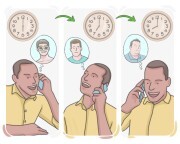
frequently
frequently
[przysłówek]

regularly and with short time in between

często, regularnie

często, regularnie

Ex: Students are reminded to ask questions frequently during class. 

Przypomina się uczniom, aby często zadawali pytania podczas lekcji.
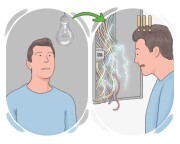
to encounter
to encounter
[Czasownik]

to be faced with an unexpected difficulty during a process

napotkać, zderzyć się z
napotkać, zderzyć się z

Ex: The team encountered unexpected challenges while implementing the new software. 
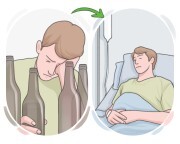
to suffer
to suffer
[Czasownik]

to experience and be affected by something bad or unpleasant

cierpieć, znosić

cierpieć, znosić

Ex: He suffered a lot of pain after the accident. 
episode
episode
[Rzeczownik]

a particular event or group of related events forming part of a larger sequence or experience

epizod,  wydarzenie

epizod, wydarzenie

Ex: Daniel described the whole episode as embarrassing but instructive. 
to couple
to couple
[Czasownik]

to join or connect together to form a pair

sprzęgać, łączyć

sprzęgać, łączyć

Ex: The magnets couple when brought near each other due to their opposite polarities. 
heart disease
heart disease
[Rzeczownik]

a broad term encompassing various conditions affecting the heart, including coronary artery disease, heart failure, and valvular disorders

choroba serca

choroba serca

Ex: Annual check-ups are crucial for early detection and prevention of heart disease. 

Roczne badania są kluczowe dla wczesnego wykrywania i zapobiegania chorobom serca.

depression
depression
[Rzeczownik]

a mental health condition characterized by persistent sadness, loss of interest, and reduced energy or motivation

depresja,  przygnębienie

depresja, przygnębienie

Ex: Treatment helped her manage her depression and return to work. 
to ensure
to ensure
[Czasownik]

to make sure that something will happen

zapewniać, gwarantować

zapewniać, gwarantować

Ex: She ensures the quality of the products before they are shipped. 
to promote
to promote
[Czasownik]

to help or support the progress or development of something

promować, wspierać

promować, wspierać

Ex: The community members joined hands to promote local businesses and economic growth. 
through
through
[Przyimek]

used to indicate the method or channel by which something is done

przez, za pomocą

przez, za pomocą

Ex: We tracked the package through the app. 

Śledziliśmy paczkę za pośrednictwem aplikacji.
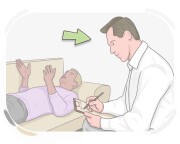
psychologist
psychologist
[Rzeczownik]

a professional who studies the mind, emotions, and behavior, sometimes applying this knowledge to assessment or treatment

psycholog,  psycholożka

psycholog, psycholożka

Ex: A research psychologist interviewed hundreds of volunteers for the study. 
rather than
rather than
[Przyimek]

used to indicate a preference between two alternatives, often suggesting one option is chosen over the other

zamiast

zamiast

Ex: I'll use the stairs rather than taking the elevator to get some exercise. 

Użyję schodów zamiast windy, żeby trochę poćwiczyć.

nerves
nerves
[Rzeczownik]

feelings of worry, anxiety, or nervous tension

nerwy, zdenerwowanie

nerwy, zdenerwowanie

Ex: She suffered from nerves before every competition. 
visualisation
visualisation
[Rzeczownik]

a mental image that is similar to a visual perception

wizualizacja, obraz mentalny
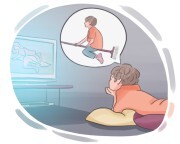
wizualizacja, obraz mentalny

mental picture
mental picture
[Rzeczownik]

a clear and telling mental image

obraz mentalny, reprezentacja mentalna

obraz mentalny, reprezentacja mentalna

to picture
to picture
[Czasownik]

to create a mental image or representation

wyobrażać sobie, przedstawiać sobie

wyobrażać sobie, przedstawiać sobie

Ex: As she listened to the story, she could easily picture the scenes unfolding. 
competitive
competitive
[przymiotnik]

referring to a situation in which teams, players, etc. are trying to defeat their rivals

konkurencyjny, rywalizacyjny

konkurencyjny, rywalizacyjny

Ex: He enjoys participating in competitive gaming tournaments. 

Lubi brać udział w konkurencyjnych turniejach gier.
peer
peer
[Rzeczownik]

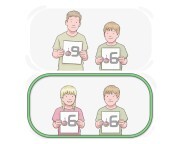
a person who is the same age, has the same social status, or has similar abilities or qualifications as another person

rówieśnik, kolega

rówieśnik, kolega

Ex: She discussed the research with several academic peers. 
sense
sense
[Rzeczownik]

an overall, conscious recognition or understanding of a situation, feeling, or environment

zmysł, uczucie

zmysł, uczucie

Ex: She had the sense of being a political outsider. 
session
session
[Rzeczownik]

a scheduled period of teaching, instruction, or learning activities conducted within a defined timeframe

sesja, lekcja

sesja, lekcja

Ex: The morning session consisted of three classes, including mathematics, science, and English. 
sportsperson
sportsperson
[Rzeczownik]

a person who takes part in sports, either professionally or for enjoyment

sportowiec, atleta

sportowiec, atleta

Ex: He was awarded as the best sportsperson of the year. 

Został nagrodzony jako najlepszy sportowiec roku.

threat
threat
[Rzeczownik]

something that poses danger or the possibility of harm

zagrożenie, niebezpieczeństwo

zagrożenie, niebezpieczeństwo

Ex: Pollution is a major threat to marine life. 
to score
to score
[Czasownik]

to record or keep track of the points, goals, or runs achieved by players or teams during a game or contest

zapisywać punkty, prowadzić wynik

zapisywać punkty, prowadzić wynik

Ex: The coach asked who would score the game during practice. 
nota bene
nota bene
[Rzeczownik]

a Latin phrase (or its abbreviation) used to indicate that special attention should be paid to something

nota bene, zauważ dobrze

nota bene, zauważ dobrze

LanGeek
Pobierz aplikację LanGeek