
Cambridge IELTS 19 - Accademico - Test 4 - Lettura - Passaggio 3 (1)
Learn vocabulary from the first part of Cambridge IELTS 19 Academic, Test 4 Reading Passage 3, with useful words and expressions from the text.
Revisione
Flashcard
forme
Ortografia
Quiz

showing concern for the needs and happiness of others over one's own interests or benefits

disinteressato, altruista
Ammiravano la sua dedizione altruista verso la sua famiglia.

focused on oneself and one's own needs, often disregarding the needs or feelings of others
egocentrico, centrato su se stesso
Lei lo ha criticato per essere egocentrico.
an idea or belief that one thinks is true without having a proof
supposizione, ipotesi

used to convey that something seems to be true based on the available evidence or information
apparentemente
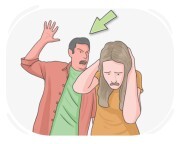
showing no mercy or compassion towards others in pursuit of one's goals
spietato, senza pietà
L'organizzazione criminale spietata non si fermerebbe davanti a nulla per espandere la sua influenza.
a sudden strong urge or desire to do something, often without thinking or planning beforehand
impulso, desiderio improvviso
to try to achieve a better result compared to that of other people or things
competere
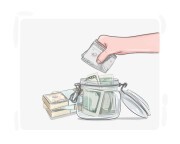
to collect an increasing amount of something over time
accumulare

the ability to control or have an effect on things or people
potere, capacità
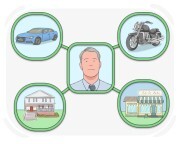
(usually plural) anything that a person has or owns at a specific time
possesso
used to refer to the reciprocal relationship or action between multiple people or things
l'un l'altro, a vicenda
Gli ospiti alla festa si sono presentati e hanno socializzato tra loro.
existing beyond what is readily apparent or visible, often intentionally hidden or concealed
nascosto, inconfessabile
Ha accettato di incontrarlo per cena ma non riusciva a togliersi dalla testa la sensazione che avesse piani nascosti nel volerla rivedere.

a reason, intention, or desire that causes someone to act in a particular way
movente, motivo
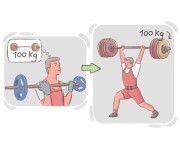
to go beyond a particular limit, quality, or standard, often in an exceptional way
trascendere, superare
Le profonde intuizioni del romanzo sulla condizione umana gli permettono di trascendere i confini di una tipica storia di formazione.
the quality or state of being extremely cruel or violent
brutalità
(of situations) not giving any or much hope or encouragement
tetro
Le condizioni desolate del villaggio abbandonato raccontavano una storia di difficoltà.
the shared psychological attributes of humankind that are assumed to be shared by all human beings
natura umana, essenza umana
in an affectionate or emotionally intimate way
strettamente, affettuosamente
I fratelli rimasero strettamente legati dopo la morte dei loro genitori.
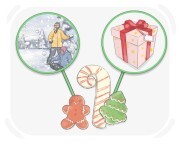
to make a connection between someone or something and another in the mind
associare
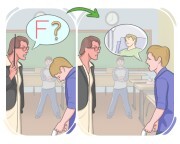
to provide a valid reason or explanation for an action, decision, or belief, usually something that others consider wrong
giustificare
the fundamental values and beliefs that influence and guide the behavior and attitudes of a person, group, or organization
l'ethos, i valori fondamentali
Il lavoro dell'artista incarna l'ethos dell'espressione culturale e della libertà.
showing a strong tendency to think, act, or express oneself independently
individualista, individualistico
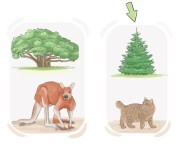
widespread or commonly occurring at a particular time or in a particular place
diffuso, prevalente
La depressione è diffusa tra gli studenti universitari, spesso a causa dello stress accademico e delle pressioni sociali.
used to indicate that something is being mentioned or discussed in relation to a particular subject, source, or context
con riferimento a, riguardo a
Il rapporto fornisce un'analisi dettagliata con riferimento a le tendenze del mercato e il comportamento dei consumatori.

an area of activity or a subject of study
campo
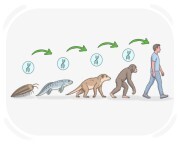
related to evolution or the slow and gradual development of something
evolutivo
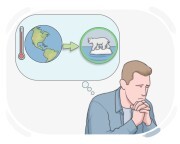
to formulate a hypothesis to explain something, often as a starting point for further investigation or study
teorizzare
Gli economisti stanno teorizzando che tassi di interesse più alti possano aiutare a rallentare l'inflazione senza danneggiare la crescita.
existing or occurring in the current period
attuale, contemporaneo
La tecnologia attuale ci permette di connetterci con chiunque nel mondo in tempo reale.
a distinguishing quality or characteristic, especially one that forms part of someone's personality or identity
tratto
La pazienza è un tratto che può essere sviluppato nel tempo.

relating or belonging to the time before history was recorded
preistorico
I ricercatori utilizzano la datazione al carbonio per determinare l'età dei manufatti preistorici.
a distinct period of history or culture, or a specific moment or duration of time
tempo
Le persone vivevano diversamente nei tempi antichi.
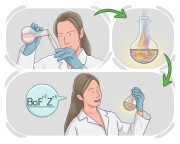
to describe something using a specific word or phrase
definire, qualificare
to regard someone or something in a specific way
vedere
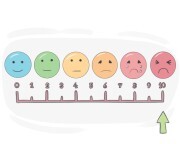
very extreme or great
intenso
La tempesta ha portato venti intensi e forti piogge.

the act of trying to achieve a goal by doing better than others who are also aiming for the same goal
competizione, concorrenza
unpleasant or harsh in a way that is difficult to endure
brutale, spietato
Il caldo brutale del deserto rendeva difficile il viaggio.
a tendency or disposition to behave in a hostile, threatening, or forceful way
aggressività
the quality of being merciless, cruel, or lacking pity
crudeltà, spietatezza

certain or extremely likely to happen or be true
probabile
an open clash or struggle between opposing groups or individuals
conflitto, scontro
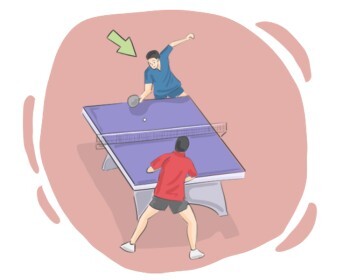
a person or entity competing against another for the same objective or superiority in a field
rivale, concorrente

(genetics) a basic unit of heredity and a sequence of nucleotides in DNA that is located on a chromosome in a cell and controls a particular quality
gene
the ability or quality of being able to adjust or change to fit different situations or environments
adattabilità, capacità di adattamento
La folta pelliccia dell'orso polare mostra la sua capacità di adattamento ai climi freddi.
| Cambridge IELTS 19 - Accademico | |||
|---|---|---|---|
| Test 4 - Lettura - Passaggio 2 (2) | Test 4 - Lettura - Passaggio 2 (3) | Test 4 - Lettura - Passaggio 2 (4) | Test 4 - Lettura - Passaggio 3 (1) |
| Test 4 - Lettura - Passaggio 3 (2) | Test 4 - Lettura - Passaggio 3 (3) | Test 4 - Lettura - Passaggio 3 (4) | |
