pattern

Cambridge IELTS 19 - Academic - Тест 4 - Чтение - Отрывок 3 (1)

Изучайте лексику из первой части Cambridge IELTS 19 Academic, Test 4 Reading Passage 3, с полезными словами и выражениями из текста.

Обзор

Флэш-карточки

формы

Правописание

Тест

Начать учиться
Cambridge IELTS 19 - Academic
unselfish
unselfish
[прилагательное]

showing concern for the needs and happiness of others over one's own interests or benefits

бескорыстный

бескорыстный

Ex: Her unselfish acts of kindness inspired everyone around her. 

Ее бескорыстные добрые поступки вдохновили всех вокруг нее.

Закрыть
Войти
self-centred
self-centred
[прилагательное]

focused on oneself and one's own needs, often disregarding the needs or feelings of others

эгоцентричный, сосредоточенный на себе

эгоцентричный, сосредоточенный на себе

Ex: He is too self-centred to notice anyone else's problems. 

Он слишком эгоцентричен, чтобы замечать проблемы других.

Закрыть
Войти
assumption
assumption
[существительное]

an idea or belief that one thinks is true without having a proof

предположение

предположение

Ex: She made the assumption that everyone had received the email. 
Закрыть
Войти
apparently
apparently
[наречие]

used to convey that something seems to be true based on the available evidence or information

по-видимому

по-видимому

Ex: He apparently left the office early today; his desk is empty. 
Закрыть
Войти
ruthless
ruthless
[прилагательное]

showing no mercy or compassion towards others in pursuit of one's goals

беспощадный

беспощадный

Ex: She climbed the corporate ladder by using ruthless tactics to eliminate her competitors. 

Она поднялась по корпоративной лестнице, используя беспощадные тактики для устранения своих конкурентов.

Закрыть
Войти
impulse
impulse
[существительное]

a sudden strong urge or desire to do something, often without thinking or planning beforehand

импульс

импульс

Ex: On an impulse, she bought the dress without checking the price. 
Закрыть
Войти
to compete
to compete
[глагол]

to try to achieve a better result compared to that of other people or things

соревноваться, конкурировать

соревноваться, конкурировать

Ex: As a young artist, she is ready to compete with the best in the industry. 
Закрыть
Войти
to accumulate
to accumulate
[глагол]

to collect an increasing amount of something over time

накапливать

накапливать

Ex: Over the years, he has accumulated a vast collection of rare stamps from all over the world. 
Закрыть
Войти
power
power
[существительное]

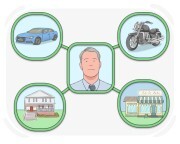
the ability to control or have an effect on things or people

сила
сила

Ex: The government has the power to change the law. 
Закрыть
Войти
possession
possession
[существительное]

(usually plural) anything that a person has or owns at a specific time

владение

владение

Ex: She packed all her possessions into two suitcases. 
Закрыть
Войти
one another
one another
[местоимение]

used to refer to the reciprocal relationship or action between multiple people or things

друг друга, один другого

друг друга, один другого

Ex: The employees in the office support one another during busy times. 

Сотрудники в офисе поддерживают друг друга в напряженные времена.

Закрыть
Войти
ulterior
ulterior
[прилагательное]

existing beyond what is readily apparent or visible, often intentionally hidden or concealed

скрытый

скрытый

Ex: She suspected he had ulterior motives for offering to help her with the project, as he stood to gain personally from its success. 

Она подозревала, что у него были скрытые мотивы, предлагая помочь ей с проектом, так как он мог лично выиграть от его успеха.

Закрыть
Войти
motive
motive
[существительное]

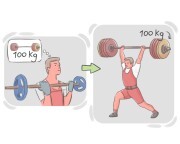
a reason, intention, or desire that causes someone to act in a particular way

мотив,  побуждение
мотив, побуждение

Ex: Police are still trying to determine the motive for the attack. 
Закрыть
Войти
to transcend
to transcend
[глагол]

to go beyond a particular limit, quality, or standard, often in an exceptional way

превосходить, выходить за пределы

превосходить, выходить за пределы

Ex: Few authors have managed to transcend the influence of literary greats like Shakespeare. 

Немногие авторы смогли превзойти влияние литературных гигантов, таких как Шекспир.

Закрыть
Войти
innate
innate
[прилагательное]

(of a quality or skill) gained from the moment that one was born

врожденный

врожденный

Закрыть
Войти
brutality
brutality
[существительное]

the quality or state of being extremely cruel or violent

жестокость

жестокость

Ex: The brutality of the assault shocked the community. 
Закрыть
Войти
bleak
bleak
[прилагательное]

(of situations) not giving any or much hope or encouragement

мрачный

мрачный

Ex: The future looked bleak after the company announced layoffs. 

Будущее выглядело мрачным после того, как компания объявила об увольнениях.

Закрыть
Войти
human nature
human nature
[существительное]

the shared psychological attributes of humankind that are assumed to be shared by all human beings

человеческая природа, сущность человека

человеческая природа, сущность человека

Закрыть
Войти
closely
closely
[наречие]

in an affectionate or emotionally intimate way

тесно, нежно

тесно, нежно

Ex: The puppy bonded closely with its new owner. 

Щенок тесно привязался к своему новому хозяину.

Закрыть
Войти
to associate
to associate
[глагол]

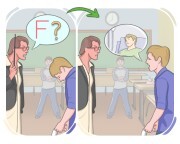
to make a connection between someone or something and another in the mind

связывать
связывать

Ex: Many people associate the smell of freshly baked cookies with home. 
Закрыть
Войти
to justify
to justify
[глагол]

to provide a valid reason or explanation for an action, decision, or belief, usually something that others consider wrong

оправдать, обосновать

оправдать, обосновать

Ex: He tried to justify his decision by pointing to the high costs. 
Закрыть
Войти
ethos
ethos
[существительное]

the fundamental values and beliefs that influence and guide the behavior and attitudes of a person, group, or organization

этос

этос

Ex: The company’s ethos emphasizes innovation and sustainability. 

Этос компании подчеркивает инновации и устойчивость.

Закрыть
Войти
individualistic
individualistic
[прилагательное]

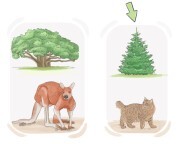
showing a strong tendency to think, act, or express oneself independently

индивидуалистический, индивидуалистичный
индивидуалистический, индивидуалистичный

Ex: She developed an individualistic style that ignored current fashion trends. 
Закрыть
Войти
prevalent
prevalent
[прилагательное]

widespread or commonly occurring at a particular time or in a particular place

распространенный, преобладающий

распространенный, преобладающий

Ex: The prevalent opinion on the matter was in favor of change. 

Преобладающее мнение по этому вопросу было в пользу изменений.

Закрыть
Войти
with reference to
with reference to
[предлог]

used to indicate that something is being mentioned or discussed in relation to a particular subject, source, or context

в связи с, относительно

в связи с, относительно

Ex: The speaker made several important points with reference to climate change and its impact on coastal regions. 

Докладчик сделал несколько важных замечаний относительно изменения климата и его влияния на прибрежные регионы.

Закрыть
Войти
field
field
[существительное]

an area of activity or a subject of study

поле, область
поле, область

Ex: He hopes to work in the field of education. 
Закрыть
Войти
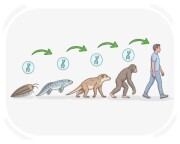
evolutionary
evolutionary
[прилагательное]

related to evolution or the slow and gradual development of something

эволюционный

эволюционный

Ex: The evolutionary process has led to the diverse array of life forms we see today. 
Закрыть
Войти
to theorize
to theorize
[глагол]

to formulate a hypothesis to explain something, often as a starting point for further investigation or study

теоретизировать

теоретизировать

Ex: Based on market trends, the company has theorized that launching a new product line would attract a wider customer base. 

Основываясь на рыночных тенденциях, компания выдвинула гипотезу, что запуск новой линейки продуктов привлечет более широкую клиентскую базу.

Закрыть
Войти
present-day
present-day
[прилагательное]

existing or occurring in the current period

современный, нынешний

современный, нынешний

Ex: The novel explores themes that are still relevant to present-day society. 

Роман исследует темы, которые до сих пор актуальны для современного общества.

Закрыть
Войти
trait
trait
[существительное]

a distinguishing quality or characteristic, especially one that forms part of someone's personality or identity

черта

черта

Ex: His sense of humor was a trait that made him beloved by his friends. 

Его чувство юмора было чертой, которая делала его любимым друзьями.

Закрыть
Войти
prehistoric
prehistoric
[прилагательное]

relating or belonging to the time before history was recorded

доисторический

доисторический

Ex: Archaeologists discovered prehistoric artifacts in the cave. 

Археологи обнаружили доисторические артефакты в пещере.

Закрыть
Войти
times
times
[существительное]

a distinct period of history or culture, or a specific moment or duration of time

времена

времена

Ex: In medieval times, castles were centers of power. 

В средние века замки были центрами власти.
Закрыть
Войти
to term
to term
[глагол]

to describe something using a specific word or phrase

называть, характеризовать

называть, характеризовать

Ex: The linguist termed the language phenomenon code-switching. 
Закрыть
Войти
prehistory
prehistory
[существительное]

the era in human history from which we have no written record

предыстория

предыстория

Закрыть
Войти
to see
to see
[глагол]

to regard someone or something in a specific way

понимать
понимать

Ex: I see him as a reliable friend who I can always count on. 
Закрыть
Войти
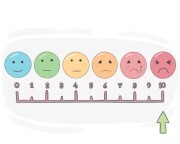
intense
intense
[прилагательное]

very extreme or great

интенсивный

интенсивный

Ex: She felt an intense connection with the character in the novel. 

Она почувствовала интенсивную связь с персонажем в романе.

Закрыть
Войти
competition
competition
[существительное]

the act of trying to achieve a goal by doing better than others who are also aiming for the same goal

соревнование

соревнование

Ex: Competition for jobs is especially strong in large cities. 
Закрыть
Войти
brutal
brutal
[прилагательное]

unpleasant or harsh in a way that is difficult to endure

жестокий, безжалостный

жестокий, безжалостный

Ex: The brutal honesty of his words left her speechless. 

Жестокая честность его слов оставила ее безмолвной.

Закрыть
Войти
aggression
aggression
[существительное]

a tendency or disposition to behave in a hostile, threatening, or forceful way

агрессия

агрессия

Ex: The dog's aggression made visitors nervous. 
Закрыть
Войти
ruthlessness
ruthlessness
[существительное]

the quality of being merciless, cruel, or lacking pity

жестокость,  безжалостность

жестокость, безжалостность

Ex: The leader was feared for his ruthlessness. 
Закрыть
Войти
bound
bound
[прилагательное]

certain or extremely likely to happen or be true

обязанный, непременный

обязанный, непременный

Ex: You're bound to make a few mistakes when learning something new. 
Закрыть
Войти
conflict
conflict
[существительное]

an open clash or struggle between opposing groups or individuals

конфликт, столкновение

конфликт, столкновение

Ex: A conflict broke out between the two groups. 
Закрыть
Войти
rival
rival
[существительное]

a person or entity competing against another for the same objective or superiority in a field

соперник, конкурент

соперник, конкурент

Ex: The company introduced a cheaper product to compete with its main rival. 
Закрыть
Войти
gene
gene
[существительное]

(genetics) a basic unit of heredity and a sequence of nucleotides in DNA that is located on a chromosome in a cell and controls a particular quality

ген

ген

Ex: Scientists identified a gene linked to the inherited disorder. 
Закрыть
Войти
adaptedness
adaptedness
[существительное]

the ability or quality of being able to adjust or change to fit different situations or environments

приспособляемость, способность к адаптации

приспособляемость, способность к адаптации

Ex: Her adaptedness to new cultures helped her thrive abroad. 

Её способность к адаптации к новым культурам помогла ей преуспеть за границей.

Закрыть
Войти
LanGeek
Скачать приложение LanGeek
