
Cambridge IELTS 19 - Academic - Testul 4 - Lectură - Pasajul 3 (1)
Learn vocabulary from the first part of Cambridge IELTS 19 Academic, Test 4 Reading Passage 3, with useful words and expressions from the text.
Revizuire
Fișe de studiu
forme
Ortografie
Chestionar

showing concern for the needs and happiness of others over one's own interests or benefits

dezinteresat, altruist
Faptele ei de bunătate altruistă au inspirat pe toți cei din jurul ei.

focused on oneself and one's own needs, often disregarding the needs or feelings of others
egocentric, centrat pe sine
El este prea egocentric pentru a observa problemele altora.
an idea or belief that one thinks is true without having a proof
presupunere, ipoteză
Presupunerea lui despre ora întâlnirii a fost incorectă.

used to convey that something seems to be true based on the available evidence or information
aparent, evident

showing no mercy or compassion towards others in pursuit of one's goals
nemilos, fără milă
Ea a urcat pe scara corporativă folosind tactici nemiloase pentru a-și elimina concurenții.
a sudden strong urge or desire to do something, often without thinking or planning beforehand
impuls, dorință bruscă
Pe un impuls, a cumpărat rochia fără a verifica prețul.
to try to achieve a better result compared to that of other people or things
concura, a fi în competiție
Dezvoltatorii de software concurează pentru a crea cele mai inovatoare aplicații.

to collect an increasing amount of something over time
acumula, aduna
De-a lungul anilor, a adunat o colecție vastă de timbre rare din întreaga lume.

the ability to control or have an effect on things or people
putere, forță
Ea și-a folosit puterea pentru a-i ajuta pe alții în nevoie.
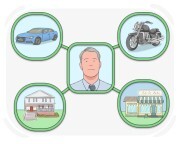
(usually plural) anything that a person has or owns at a specific time
bunuri, posesiuni
În timp ce își împacheta bunurile în cutii, amintirile din anii petrecuți în vechea casă s-au întors.
used to refer to the reciprocal relationship or action between multiple people or things
unul pe altul, reciproc
Oaspeții de la petrecere s-au prezentat și s-au amestecat unii cu alții.
existing beyond what is readily apparent or visible, often intentionally hidden or concealed
ascuns, nerecunoscut
Ea bănuia că avea motive ascunse când i-a oferit să o ajute cu proiectul, deoarece putea beneficia personal de la succesul acestuia.

a reason or purpose behind someone's actions or behavior
motiv, rațiune
Motivația era suspectată ca motiv pentru vandalism.
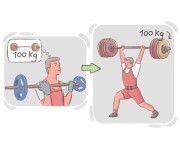
to go beyond a particular limit, quality, or standard, often in an exceptional way
transcenda, depăși
Perspectivele profunde ale romanului asupra condiției umane îi permit să depășească limitele unei povești tipice de trecere la vârstă adultă.
the trait of extreme cruelty
brutalitate
(of situations) not giving any or much hope or encouragement
sumar, fără speranță
Viitorul părea sumbru după ce compania a anunțat concedieri.
the shared psychological attributes of humankind that are assumed to be shared by all human beings
natura umană, esența umană
in an affectionate or emotionally intimate way
strâns, cu afecțiune
Cățelul s-a legat strâns de noul său stăpân.
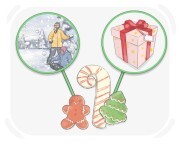
to make a connection between someone or something and another in the mind
asocia, legă
Mulți oameni asociază mirosul de prăjituri proaspăt coapte cu căldura și cu casa.
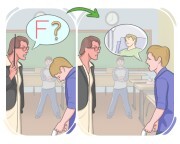
to provide a valid reason or explanation for an action, decision, or belief, usually something that others consider wrong
justifica, apăra
A trebuit să-și justifice alegerea de a urma o carieră în arte în fața părinților săi, subliniind pasiunea și obiectivele sale pe termen lung.
the fundamental values and beliefs that influence and guide the behavior and attitudes of a person, group, or organization
etosul, valorile fundamentale
Ethos-ul companiei subliniază inovația și sustenabilitatea.
marked by or expressing individuality
individualist
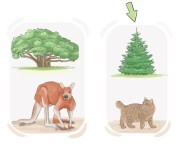
widespread or commonly occurring at a particular time or in a particular place
răspândit, prevalent
Utilizarea rețelelor sociale este răspândită în rândul adolescenților în societatea actuală.
used to indicate that something is being mentioned or discussed in relation to a particular subject, source, or context
cu referire la, în legătură cu
Raportul oferă o analiză detaliată cu referire la tendințele pieței și comportamentul consumatorilor.

an area of activity or a subject of study
câmp, domeniu
A decis să urmeze o carieră în domeniul ingineriei.
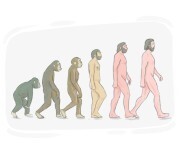
related to evolution or the slow and gradual development of something
evoluționist
Procesul evolutiv a condus la diversa gamă de forme de viață pe care le vedem astăzi.

to formulate a hypothesis to explain something, often as a starting point for further investigation or study
a teoretiza, a formula o ipoteză
Economiștii teoretizează că ratele dobânzilor mai mari ar putea ajuta la încetinirea inflației fără a afecta creșterea.
existing or occurring in the current period
actual, contemporan
Romanul explorează teme care sunt încă relevante pentru societatea contemporană.
a distinguishing quality or characteristic, especially one that forms part of someone's personality or identity
trăsătură, caracteristică
Bunătatea lui este o trăsătură pe care o apreciază toată lumea.

relating or belonging to the time before history was recorded
preistoric, antepopor
Arheologii au descoperit artefacte preistorice în peșteră.
a distinct period of history or culture, or a specific moment or duration of time
epocă, vremuri
În evul mediu, castelele erau centre de putere.
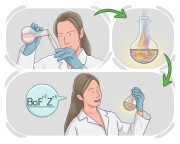
to describe something using a specific word or phrase
denumi, descrie
Comunitatea medicală denumește această afecțiune sindromul oboselii cronice.
the era in human history from which we have no written record
preistorie, epoca preistorică
to regard someone or something in a specific way
vedea, considera
Îl văd ca pe un prieten de încredere pe care pot conta mereu.
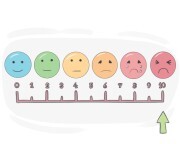
very extreme or great
intens, extrem
Căldura intensă a deșertului a făcut respirația dificilă.

the act of trying to achieve a goal by doing better than others who are also aiming for the same goal
competiție, concurență
Există o concurență intensă între producătorii de smartphone-uri pentru a lansa cele mai inovatoare dispozitive.
unpleasant or harsh in a way that is difficult to endure
brutal, nemilos
Onoarea brutală a cuvintelor sale a lăsat-o fără cuvinte.
mercilessness characterized by a lack of pity
nemiloștire, cruzimă

likely to happen or sure to experience something
probabil să se întâmple, sortit să experimenteze ceva
Având în vedere devotamentul și munca ei asiduă, ea este sortită să reușească în noul ei rol.
an open clash or struggle between opposing groups or individuals
conflict, confruntare
După conflict, au izbucnit revolte în oraș.

a person or entity competing against another for the same objective or superiority in a field
rival, concurent

(genetics) a basic unit of heredity and a sequence of nucleotides in DNA that is located on a chromosome in a cell and controls a particular quality
gen, unitate genetică
Gena responsabilă de culoarea ochilor este moștenită de la ambii părinți.
the ability or quality of being able to adjust or change to fit different situations or environments
adaptabilitate, capacitate de adaptare
Capacitatea ei de adaptare la noile culturi a ajutat-o să prospere în străinătate.
| Cambridge IELTS 19 - Academic | |||
|---|---|---|---|
| Testul 4 - Lectură - Pasajul 2 (2) | Testul 4 - Lectură - Pasajul 2 (3) | Testul 4 - Lectură - Pasajul 2 (4) | Testul 4 - Lectură - Pasajul 3 (1) |
| Testul 4 - Lectură - Pasajul 3 (2) | Testul 4 - Lectură - Pasajul 3 (3) | Testul 4 - Lectură - Pasajul 3 (4) | |
