
Cambridge IELTS 19 - Academic - Test 4 - Läsning - Avsnitt 3 (1)
Lär dig ordförråd från den första delen av Cambridge IELTS 19 Academic, Test 4 Reading Passage 3, med användbara ord och uttryck från texten.
Recension
Flashcards
former
Stavning
Quiz

showing concern for the needs and happiness of others over one's own interests or benefits

osjälvisk, altruistisk
Hans osjälviska natur gjorde honom älskad av alla sina vänner.

focused on oneself and one's own needs, often disregarding the needs or feelings of others
egocentrisk, självcentrerad
VD:ns beslut verkade självcentrerade snarare än företagsfokuserade.
an idea or belief that one thinks is true without having a proof
antagande, hypotes

used to convey that something seems to be true based on the available evidence or information
tydligen, uppenbarligen
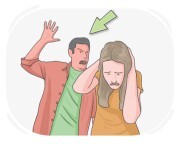
showing no mercy or compassion towards others in pursuit of one's goals
skoningslös, obarmhärtig
Han visade sin skoningslösa natur genom att förråda sina närmaste vänner för att komma framåt.
a sudden strong urge or desire to do something, often without thinking or planning beforehand
impuls, plötslig önskan
to try to achieve a better result compared to that of other people or things
tävla, konkurrera

to collect an increasing amount of something over time
ackumulera, samla

the ability to control or have an effect on things or people
makt, kraft
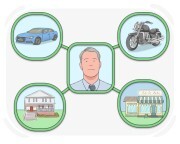
(usually plural) anything that a person has or owns at a specific time
ägodelar, tillhörigheter
used to refer to the reciprocal relationship or action between multiple people or things
varandra, inbördes
De anställda på kontoret stödjer varandra under hektiska tider.
existing beyond what is readily apparent or visible, often intentionally hidden or concealed
dold, obekänd
Företagets till synes generösa donation till välgörenheten väckte förvåning, där vissa misstänkte att de hade dolda anledningar till sin filantropi.

a reason, intention, or desire that causes someone to act in a particular way
motiv, bevekelsegrund
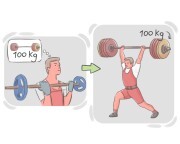
to go beyond a particular limit, quality, or standard, often in an exceptional way
transcendera, överträffa
Atletens prestation på planen har potentialet att överträffa rekord och omdefiniera förväntningar.
the quality or state of being extremely cruel or violent
brutalitet
(of situations) not giving any or much hope or encouragement
dyster, hopplös
Hans ekonomiska situation var dyster, med växande skulder och få alternativ.
the shared psychological attributes of humankind that are assumed to be shared by all human beings
mänsklig natur, människans väsen
in an affectionate or emotionally intimate way
nära, kärleksfullt
Han känner sig nära knuten till sin stora familj.
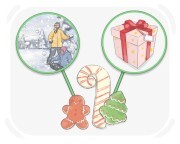
to make a connection between someone or something and another in the mind
associera, förbinda

to provide a valid reason or explanation for an action, decision, or belief, usually something that others consider wrong
rättfärdiga, försvara
the fundamental values and beliefs that influence and guide the behavior and attitudes of a person, group, or organization
etos, grundläggande värderingar
Gemenskapens ethos bygger på ömsesidigt stöd och samarbete.
showing a strong tendency to think, act, or express oneself independently
individualistisk, egenartad
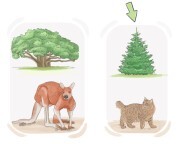
widespread or commonly occurring at a particular time or in a particular place
utbredd, förekommande
Den företrädande åsikten i frågan var för förändring.
used to indicate that something is being mentioned or discussed in relation to a particular subject, source, or context
med hänvisning till, angående
Talaren gjorde flera viktiga poänger med hänvisning till klimatförändringar och dess inverkan på kustregioner.

an area of activity or a subject of study
fält, område
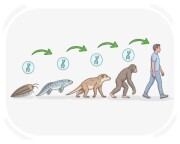
related to evolution or the slow and gradual development of something
evolutionär

to formulate a hypothesis to explain something, often as a starting point for further investigation or study
teoretisera, formulera en hypotes
Baserat på marknadstrender har företaget teoretiserat att lanseringen av en ny produktlinje skulle locka en bredare kundbas.
existing or occurring in the current period
nutida, samtida
Att jämföra gamla traditioner med nutida sedvänjor avslöjar hur mycket kulturer har utvecklats.
a distinguishing quality or characteristic, especially one that forms part of someone's personality or identity
drag, karaktärsdrag
Hans sinne för humor var en egenskap som gjorde honom älskad av sina vänner.

relating or belonging to the time before history was recorded
förhistorisk, prehistorisk
Historiker studerar förhistoriska civilisationer genom artefakter och grottmålningar.
a distinct period of history or culture, or a specific moment or duration of time
epok, tider
De tider vi lever i kräver anpassningsförmåga.
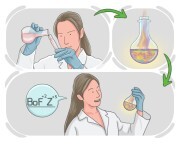
to describe something using a specific word or phrase
benämna, beskriva
the era in human history from which we have no written record
förhistoria, förhistorisk tid
to regard someone or something in a specific way
se, betrakta
very extreme or great
intensiv, extrem
Hon kände en intensiv koppling till karaktären i romanen.

the act of trying to achieve a goal by doing better than others who are also aiming for the same goal
tävling, konkurrens
unpleasant or harsh in a way that is difficult to endure
brutal, skoningslös
Den brutala sanningen om deras ekonomiska situation var svår att acceptera.
a tendency or disposition to behave in a hostile, threatening, or forceful way
aggressivitet
the quality of being merciless, cruel, or lacking pity
hänsynslöshet, grymhet

certain or extremely likely to happen or be true
säker, tvungen
an open clash or struggle between opposing groups or individuals
konflikt, sammanstötning

a person or entity competing against another for the same objective or superiority in a field
rival, konkurrent

(genetics) a basic unit of heredity and a sequence of nucleotides in DNA that is located on a chromosome in a cell and controls a particular quality
gen, genetisk enhet
the ability or quality of being able to adjust or change to fit different situations or environments
anpassningsförmåga, adaptationsförmåga
Anpassningsförmåga är viktigt för djur som lever i extrema miljöer.
| Cambridge IELTS 19 - Academic | |||
|---|---|---|---|
| Test 4 - Läsning - Avsnitt 2 (2) | Test 4 - Läsning - Passage 2 (3) | Test 4 - Läsning - Passage 2 (4) | Test 4 - Läsning - Avsnitt 3 (1) |
| Test 4 - Läsning - Avsnitt 3 (2) | Test 4 - Läsförståelse - Passage 3 (3) | Test 4 - Läsning - Passage 3 (4) | |
