pattern

GRE のための基本語彙 - すべての行動には反応がある

ここでは、GRE試験に必要な「増加」、「因果関係」、「効果的」などの原因と結果に関するいくつかの英単語を学びます。

レビュー

フラッシュカード

語形

綴り

クイズ

学習を開始
Essential Words Needed for the GRE
aftereffect
aftereffect
[名詞]

an effect that results from an action or event

余波, 影響

余波, 影響

Ex: The aftereffect of the earthquake was widespread power outages across the city. 

地震の余波は、市内全域にわたる広範囲な停電でした。

aftermath
aftermath
[名詞]

the situation that follows a very unpleasant event such as a war, natural disaster, accident, etc.

余波, 戦後

余波, 戦後

Ex: The aftermath of the earthquake left the city in ruins and thousands of people homeless. 

地震の余波は、街を廃墟にし、数千人を家なしにした。

augmentation
augmentation
[名詞]

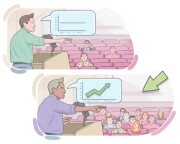
the act or process of adding the amount, value, or size of something

増加, 拡大

増加, 拡大

Ex: The recent augmentation of staff has significantly improved the efficiency of the department. 

最近のスタッフの増強は、部門の効率を大幅に改善しました。

to bring about

to be the reason for a specific incident or result

引き起こす, もたらす

引き起こす, もたらす

Ex: The negotiations brought about a resolution to the conflict. 

交渉は紛争の解決をもたらした。

by-product
by-product
[名詞]

something that happens incidentally and unexpectedly as a result of something else

副産物, 予期せぬ結果

副産物, 予期せぬ結果

Ex: The fermentation process yields alcohol as a by-product. 

発酵プロセスはアルコールを副産物として生み出します。

causation
causation
[名詞]

the action or process of causing a particular thing

因果関係, 原因

因果関係, 原因

Ex: The study focused on the causation of climate change by human activities. 

この研究は、人間の活動による気候変動の因果関係に焦点を当てました。

causality
causality
[名詞]

the relationship between a cause and its effect

因果関係, 原因と結果の関係

因果関係, 原因と結果の関係

Ex: Researchers explored the causality between smoking and lung cancer. 

研究者たちは、喫煙と肺がんの間の 因果関係 を探求しました。

to [come] into effect

to start being used or having an impact

Ex: The new policy will come into effect next month. 
consequent
consequent
[形容詞]

occurring as a result of something particular

結果として生じる, 結果的な

結果として生じる, 結果的な

Ex: The heavy rainfall and consequent flooding caused severe damage to the town. 

大雨とその結果としての洪水は、町に深刻な被害をもたらしました。

contributory
contributory
[形容詞]

playing a part in causing something

寄与する, 参加する

寄与する, 参加する

Ex: The team's late start was a contributory factor to their loss in the game. 

チームの遅いスタートは、試合での敗北の寄与する要因でした。

cumulative
cumulative
[形容詞]

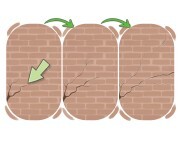
increasing gradually as more and more is added

累積的な, 漸増的な

累積的な, 漸増的な

Ex: The cumulative effect of daily exercise is improved physical fitness. 

毎日の運動の累積的な効果は、身体的なフィットネスの向上です。

to deteriorate

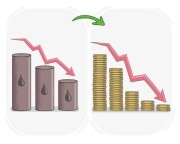
to decline in quality, condition, or overall state

悪化する, 劣化する

悪化する, 劣化する

Ex: If left untreated, metal exposed to harsh weather can deteriorate over time. 

処理しないままにしておくと、過酷な天候にさらされた金属は時間とともに劣化する可能性があります。

effectual
effectual
[形容詞]

having the power to achieve a desired outcome or make a strong impression

効果的な, 有効な

効果的な, 有効な

Ex: The new marketing strategy proved to be effectual in increasing sales. 

新しいマーケティング戦略は売上を増やすのに効果的であることが証明された。

ensuing
ensuing
[形容詞]

following something or resulting from it

次の, 結果として生じる

次の, 結果として生じる

Ex: The meeting was delayed due to the ensuing traffic jam. 

会議は ensuing 渋滞のために延期されました。

to eventuate
to eventuate
[動詞]

to take place as an outcome

起こる, 結果として生じる

起こる, 結果として生じる

Ex: After months of negotiations, a settlement finally eventuated. 

数か月にわたる交渉の末、ついに和解が実現した。

herein
herein
[副詞]

in this document, situation, place, etc.

この文書において, ここに

この文書において, ここに

Ex: The terms and conditions herein outline the agreement between the parties. 

ここに記載されている利用規約は、当事者間の合意を概説しています。

to imply
to imply
[動詞]

to suggest that one thing is the logical consequence of the other

ほのめかす, 暗示する

ほのめかす, 暗示する

Ex: The high turnover rate implies issues with employee satisfaction. 
to induce
to induce
[動詞]

to cause a particular condition, reaction, or event to occur

引き起こす,  誘発する

引き起こす, 誘発する

Ex: The medication may induce drowsiness in some patients. 
to instigate
to instigate
[動詞]

to cause something to begin or occur

扇動する, 引き起こす

扇動する, 引き起こす

Ex: The new policy instigated changes in the company's workflow. 

新しい政策は会社のワークフローに変化を引き起こした。

to proliferate

to cause something to increase rapidly in number or size

増殖する, 広がる

増殖する, 広がる

Ex: The invasive species proliferated a disturbance throughout the ecosystem, disrupting local wildlife. 

侵略的外来種は生態系全体に混乱を増殖させ、地元の野生生物を混乱させた。

repercussion
repercussion
[名詞]

an unintended effect of something, usually a negative and long lasting one

影響, 余波

影響, 余波

Ex: The policy change had unexpected repercussions on local businesses. 

政策変更は地元企業に予期せぬ影響をもたらした。

to stem from
to stem from
[動詞]

to originate from a particular source or factor

由来する, 起因する

由来する, 起因する

Ex: The economic downturn stems from global market fluctuations. 

景気後退は、世界市場の変動に起因しています。

whereby
whereby
[副詞]

used for indicating that something is done in accordance with the mentioned rule, approach, method, etc.

それによって, それに従って

それによって, それに従って

Ex: The company set up a procedure whereby, employees receive feedback regularly. 

会社は、従業員が定期的にフィードバックを受ける手順を設けました。

to avert
to avert
[動詞]

to prevent something dangerous or unpleasant from happening

防ぐ, 回避する

防ぐ, 回避する

Ex: The timely intervention of the lifeguard averted a potential drowning at the pool. 

ライフガードのタイムリーな介入が、プールでの潜在的な溺死を防いだ。

to trigger
to trigger
[動詞]

to cause an event, process, or reaction to begin

引き起こす,  誘発する

引き起こす, 誘発する

Ex: The announcement triggered widespread criticism. 
acutely
acutely
[副詞]

with a sharp or steep angle

鋭角で, 鋭く

鋭角で, 鋭く

Ex: The mountain peak rose acutely against the sky. 

山頂は空に向かって鋭くそびえ立った。

to beware
to beware
[動詞]

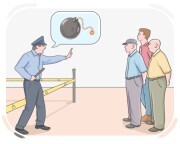
to warn someone to be cautious of a dangerous person or thing

注意する, 警戒する

注意する, 警戒する

Ex: Beware of the icy conditions on the roads; drive carefully. 

道路の凍結状態に注意してください;慎重に運転してください。

critical
critical
[形容詞]

(of a problem or situation) very serious and possibly harmful that demands urgent attention or action

重大な, 深刻な

重大な, 深刻な

Ex: The floodwaters had not receded, and the situation remained critical, with more rain expected. 

洪水はまだ引かず、状況はより多くの雨が予想される中、深刻なままでした。

daredevil
daredevil
[名詞]

someone who is reckless and likes putting themselves in danger

向こう見ず, 命知らず

向こう見ず, 命知らず

Ex: The daredevil performed breathtaking stunts on a motorcycle at the show. 

向こう見ずな人がショーでバイクを使って息をのむようなスタントを披露しました。

escapade
escapade
[名詞]

a thrilling yet potentially dangerous adventure, particularly one that people think is idiotic to embark on

冒険

冒険

Ex: The hikers' escapade in the uncharted jungle tested their survival skills. 

未踏のジャングルでのハイカーの冒険は、彼らの生存スキルを試した。

to spawn
to spawn
[動詞]

to cause something to be created, particularly in large numbers

生み出す, 引き起こす

生み出す, 引き起こす

Ex: The new policy is expected to spawn numerous job opportunities in the tech sector. 

新しい政策は、技術部門で多くの雇用機会を生み出すと期待されています。

hazardous
hazardous
[形容詞]

presenting danger or threat, particularly to people's health or safety

危険な, 有害な

危険な, 有害な

Ex: Working without protective gear in the hazardous environment is prohibited. 

危険な環境で保護具なしで作業することは禁止されています。

parlous
parlous
[形容詞]

(of a condition) dangerous, terrible, or uncertain

危険な, ひどい

危険な, ひどい

Ex: They were in a parlous condition after the severe storm damaged their home. 

激しい嵐が彼らの家を損傷した後、彼らは危険な状態にあった。

precautionary
precautionary
[形容詞]

taken in advance in order to avoid something dangerous or unpleasant from happening

予防的な, 警戒の

予防的な, 警戒の

Ex: They took precautionary measures by installing security cameras around the property. 

彼らは敷地の周囲に防犯カメラを設置することで予防措置を講じた。

quicksand
quicksand
[名詞]

a hazardous or difficult situation that is very hard to get out of

流砂, 罠

流砂, 罠

Ex: The political scandal became quicksand, entangling everyone involved. 

その政治スキャンダルは流砂となり、関わった全員を巻き込んだ。

to underlie
to underlie
[動詞]

to serve as the foundation or primary cause for something

基づく, 根底にある

基づく, 根底にある

Ex: Cultural traditions underlie many of the festivals and celebrations we see around the world. 

文化的伝統は、世界中で見られる多くの祭りや祝祭の基礎となっています。

LanGeek
LanGeekアプリをダウンロード