
pattern

SAT 語彙スキル 4 - レッスン15

レビュー

フラッシュカード

語形

綴り

クイズ

学習を開始
SAT Word Skills 4
to protrude
to protrude
[動詞]

to project from a surface

突き出る, 突出する

突き出る, 突出する

Ex: The tree branch protruded from the side of the cliff, making it dangerous to pass. 

木の枝が崖の側面から突き出ており、通り抜けるのが危険だった。

protrusion
protrusion
[名詞]

the act of extending beyond a surface

突出, 隆起

突出, 隆起

Ex: The protrusion of the roots above the ground created a natural barrier for the path. 

地面から根が突出していることが、道の自然な障壁となった。

protuberant
protuberant
[形容詞]

extending outward, usually in a curved shape

突出した, 隆起した

突出した, 隆起した

Ex: His protuberant eyes made him look constantly surprised. 

彼の突出した目は、彼を常に驚いているように見せた。

sol
sol
[名詞]

a syllable representing the fifth note of a musical scale

ソル, ウォームアップ中、合唱団はピッチが正しいことを確認するためにソルの音に集中しました。

ソル, ウォームアップ中、合唱団はピッチが正しいことを確認するためにソルの音に集中しました。

Ex: During the warm-up, the choir focused on the sol note to ensure their pitch was correct. 

ウォームアップ中、合唱団は音程が正しいことを確認するためにソの音に集中しました。

solace
solace
[名詞]

emotional comfort one receives when sad or in trouble

慰め, 安らぎ

慰め, 安らぎ

Ex: She found solace in the comforting words of her best friend during the difficult time. 

彼女は困難な時期に親友の慰めの言葉に慰めを見出した。

solder
solder
[名詞]

a combination of metals, often lead or tin, melted to join two pieces of metal

はんだ, ろう付け用スズ

はんだ, ろう付け用スズ

Ex: The electrician used solder to connect the wires and ensure a secure electrical connection. 

電気技師は、ワイヤーを接続し安全な電気接続を確保するためにはんだを使用しました。

solecism
solecism
[名詞]

an act that is considered to be impolite or unacceptable

ソレシズム, 失礼な行為

ソレシズム, 失礼な行為

Ex: The actor’s solecism of interrupting the director was noted as unprofessional. 

監督を中断した俳優の不作法は、プロフェッショナルではないと指摘されました。

to solicit
to solicit
[動詞]

to request something, usually in a formal or persistent manner

要請する, 求める

要請する, 求める

Ex: The lawyer is currently soliciting information from potential witnesses for the upcoming trial. 

弁護士は現在、今後の裁判のために潜在的な証人から情報を要請しています。

solstice
solstice
[名詞]

either of the two times of the year when the sun reaches its farthest or closest distance from the equator

至点, ソルスティス

至点, ソルスティス

Ex: The winter solstice marks the shortest day and longest night of the year, a time when darkness holds sway over the land and the world seems to stand still. 
disinterested
disinterested
[形容詞]

not being involved in a situation or benefiting from it, thus able to act fairly

公平な, 無関心な

公平な, 無関心な

Ex: The disinterested third party was brought in to mediate the dispute and ensure fairness. 

無関係な第三者が紛争を調停し、公平性を確保するために招かれた。

to dislocate
to dislocate
[動詞]

to suddenly cause a bone to move out of its normal position

脱臼する, 外れる

脱臼する, 外れる

Ex: He accidentally dislocated his shoulder while playing basketball. 

彼はバスケットボールをしている間に誤って肩を脱臼させた。

disjunctive
disjunctive
[形容詞]

having no connection

分離的な, つながりのない

分離的な, つながりのない

Ex: The movie had a disjunctive structure, with scenes that didn’t seem to fit together in any coherent way. 

その映画は分離した構造を持ち、どのような首尾一貫した方法でも一緒にフィットしないシーンがありました。

to dislodge
to dislodge
[動詞]

to forcefully remove something that is stuck or fixed in a particular position

取り除く, 外す

取り除く, 外す

Ex: The maintenance crew used a specialized tool to dislodge the clogged pipe. 

メンテナンスクルーは詰まったパイプを取り除くために特殊な工具を使用しました。

to dismount
to dismount
[動詞]

to get off from a horse after riding

降りる, 馬から降りる

降りる, 馬から降りる

Ex: After the lesson, the instructor signaled for the students to dismount their horses. 

レッスンの後、インストラクターは生徒たちに馬から降りるよう合図した。

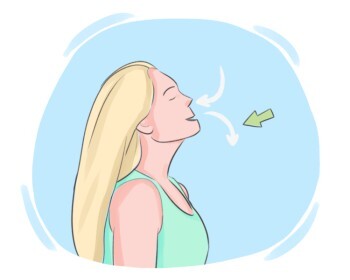
to exhale
to exhale
[動詞]

to breathe air or smoke out through the mouth or nose

息を吐く, 吐き出す

息を吐く, 吐き出す

Ex: He exhaled deeply, trying to relax after the stressful meeting. 

彼はストレスの多い会議の後、リラックスしようと深く息を吐いた。

exhaustive
exhaustive
[形容詞]

complete with regard to every single detail or element

徹底的な, 完全な

徹底的な, 完全な

Ex: The exhaustive research paper provided a comprehensive analysis of the topic, leaving no aspect unexplored. 

徹底的な研究論文は、主題の包括的な分析を提供し、どの側面も未探索のままにしませんでした。
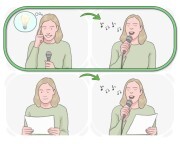
to improvise
to improvise
[動詞]

to create and perform words of a play, music, etc. on impulse and without preparation, particularly because one is forced to do so

即興で行う, その場で作り上げる

即興で行う, その場で作り上げる

Ex: When the actor forgot his lines, he had to improvise to keep the scene going. 

俳優がセリフを忘れたとき、彼はシーンを続けるために即興で演じなければならなかった。

improvident
improvident
[形容詞]

lacking proper consideration and foresight, especially when it comes to savings and money

先見の明がない, 浪費家の

先見の明がない, 浪費家の

Ex: His improvident spending habits led to financial trouble. 

彼の無計画な支出習慣が財政的な問題を引き起こした。

musty
musty
[形容詞]

having a stale, moldy, or damp odor, often associated with a lack of freshness and proper ventilation

かび臭い, むっとする

かび臭い, むっとする

Ex: The old library had a musty smell, characteristic of aging books and neglected spaces. 

古い図書館には、古びた本や放置された空間に特有のかび臭い匂いがあった。

to muster
to muster
[動詞]

to gather or summon for a specific purpose or action

集める, 召集する

集める, 召集する

Ex: She mustered the courage to speak in front of the large crowd. 

彼女は大勢の前で話す勇気を奮い起こした。

LanGeek
LanGeekアプリをダウンロード