pattern

本 Total English - 上級 - ユニット5 - 参照 - パート1

ここでは、Total English Advancedコースブックのユニット5 - リファレンス - パート1からの語彙を見つけることができます。例えば「値切る」、「破産」、「蓄積する」などです。

レビュー

フラッシュカード

語形

綴り

クイズ
学習を開始
Total English - Advanced
to come into
to come into
[動詞]

to receive money or assets from someone who has passed away, typically through a will or legal inheritance

相続する, 遺産として受け取る

相続する, 遺産として受け取る

Ex: She came into a large sum of money when her grandfather passed away. 

彼女は祖父が亡くなった時、多額のお金を相続しました。

to haggle
to haggle
[動詞]

to negotiate, typically over the price of goods or services

値切る, 交渉する

値切る, 交渉する

Ex: I don’t like to haggle; I prefer paying the price listed. 

私は値引き交渉をするのが好きではありません。表示されている価格を支払うことを好みます。

stock market
stock market
[名詞]

the business of trading and exchanging shares of different companies

株式市場, 証券取引所

株式市場, 証券取引所

Ex: The stock market experienced a significant drop today, causing investors to worry about their portfolios. 

株式市場は今日、大幅な下落を経験し、投資家が自分のポートフォリオについて心配する原因となった。

income
income
[名詞]

the money that is regularly earned from a job or through an investment

収入

収入

Ex: She supplemented her income by freelancing as a graphic designer on the weekends. 
rise
rise
[名詞]

an increase in the amount of salary or wages that an employee receives

昇給, 増額

昇給, 増額

Ex: The rise in her salary allowed her to save more for future expenses. 
priceless
priceless
[形容詞]

having great value or importance

貴重な, 計り知れない

貴重な, 計り知れない

Ex: The handwritten letter from her late grandmother was a priceless keepsake. 

亡くなった祖母からの手紙は貴重な記念品だった。

commission
commission
[名詞]

a sum of money paid to someone based on the value or quantity of goods they sell

手数料,  パーセンテージ

手数料, パーセンテージ

Ex: The agent received a commission for finding a buyer. 
bankrupt
bankrupt
[形容詞]

(of organizations or people) legally declared as unable to pay their debts to creditors

破産した, 倒産した

破産した, 倒産した

Ex: After years of financial mismanagement, the business went bankrupt. 

何年もの財政管理の失敗の後、その事業は破産した。

to [make] a living

to earn an amount of money that enables one to support oneself and pay for one's needs

Ex: She works as a freelance writer to make a living. 
to recruit
to recruit
[動詞]

to find and hire people to work for a company or organization

採用する,  募集する

採用する, 募集する

Ex: The company plans to recruit fifty new employees this year. 
profit sharing

a business arrangement in which a company distributes a portion of its profits to its employees or other stakeholders

利益分配, 利益共有

利益分配, 利益共有

Ex: The company introduced a profit-sharing plan to reward employees. 

会社は従業員に報酬を与えるために利益分配計画を導入しました。

hands-on
hands-on
[形容詞]

involving direct participation or intervention in a task or activity, rather than simply observing or delegating it to others

実践的な, 直接的な

実践的な, 直接的な

Ex: The internship provides hands-on experience in the medical field. 

インターンシップは医療分野での実践的な経験を提供します。

start-up
start-up
[名詞]

a newly established company or business venture, typically characterized by its innovative approach, early-stage development, and a focus on growth

スタートアップ, 新興企業

スタートアップ, 新興企業

Ex: He launched a tech start-up with his friends. 
fringe benefit

an extra compensation or perk that an employer provides to employees in addition to their salary or wages

付加給付, 福利厚生

付加給付, 福利厚生

Ex: Health insurance is a common fringe benefit offered by employers. 

健康保険は、雇用主が提供する一般的な付加給付です。

publicity
publicity
[名詞]

information or activities intended to attract public attention to a person, product, event, or cause

Ex: The publisher arranged extensive publicity for Emma's new book. 
to [break] even

(of a business) to reach a point that yields no success due to the profit being almost as equal as the costs

損益がトントンになる, 収支が合う

損益がトントンになる, 収支が合う

Ex: The café finally broke even after six months. 

そのカフェは半年後、ようやく損益がトントンになった。

to bail out
to bail out
[動詞]

to save someone or something from a difficult financial situation

救済する, 財政的に救う

救済する, 財政的に救う

Ex: The government decided to bail the struggling company out to prevent bankruptcy. 

政府は破産を防ぐために苦境にある会社を救済することを決めた。

philanthropy
philanthropy
[名詞]

the activity of helping people, particularly financially

慈善活動

慈善活動

Ex: Her philanthropy funded new schools. 

彼女の慈善活動は新しい学校の資金を提供しました。

philanthropist

a wealthy person, often a celibrity, who donates money and puts time and effort in order to help make life better for other people

慈善家, 篤志家

慈善家, 篤志家

Ex: She was known as a philanthropist, always supporting community projects. 

彼女は慈善家として知られ、常にコミュニティプロジェクトを支援していました。

charity
charity
[名詞]

an organization that helps those in need by giving them money, food, etc.

慈善, 慈善団体

慈善, 慈善団体

Ex: He volunteers at a local charity that distributes food to the needy. 
interest
interest
[名詞]

the fee paid for borrowing money, calculated as a percentage of the loan amount over time

利子, 利率

利子, 利率

Ex: Investors earn interest on bonds annually. 
to invite
to invite
[動詞]

to make a formal or friendly request to someone to come somewhere or join something

招待する, 招く

招待する, 招く

Ex: She invites friends over for dinner every Friday night. 
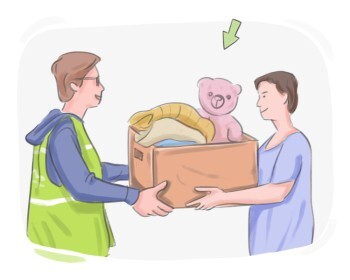
to dedicate
to dedicate
[動詞]

to devote significant time, effort, or resources to a particular purpose, activity, or person

捧げる,  専念する
捧げる, 専念する

Ex: Sarah dedicated her life to helping children with disabilities. 
donation
donation
[名詞]

money, goods, or other things voluntarily given to help a person, organization, or cause

寄付,  寄贈

寄付, 寄贈

Ex: Emma made a generous donation to the local animal shelter. 
welfare
welfare
[名詞]

a financial aid provided by the government for people who are sick, unemployed, etc.

福祉, 生活保護
福祉, 生活保護

Ex: Critics argue that welfare should be reformed to encourage employment. 
to amass
to amass
[動詞]

to gather a large amount of money, knowledge, etc. gradually

蓄積する, 集める

蓄積する, 集める

Ex: Through years of hard work and dedication, she was able to amass a considerable fortune in real estate investments. 

何年もの努力と献身を通じて、彼女は不動産投資でかなりの財産を蓄積することができました。

fortune
fortune
[名詞]

a very large sum of money

財産, 富

財産, 富

Ex: The family used their fortune to invest in various philanthropic causes. 
satisfaction
satisfaction
[名詞]

a pleasant feeling that comes from achieving something or getting what one wanted

満足,  充足感

満足, 充足感

Ex: Emma felt great satisfaction after completing the difficult project. 
recognition
recognition
[名詞]

the act of accepting that something exists, is true or legal

認識

認識

Ex: The agreement marked official recognition of the new organization. 
perk
perk
[名詞]

an extra benefit that one receives in addition to one's salary due to one's job

特典, 福利厚生

特典, 福利厚生

Ex: One of the best perks of working at the tech company is the free gym membership. 

そのテクノロジー企業で働くことの最高の特典の一つは、無料のジム会員権です。

LanGeek
LanGeekアプリをダウンロード