pattern

本 Interchange - 初中級 - ユニット13 - パート2

ここでは、Interchange Pre-Intermediateコースブックのユニット13 - パート2からの語彙、例えば「レビュー」、「サクサクした」、「賃金」などを見つけることができます。

レビュー

フラッシュカード

語形

綴り

クイズ
学習を開始
Interchange - Pre-intermediate
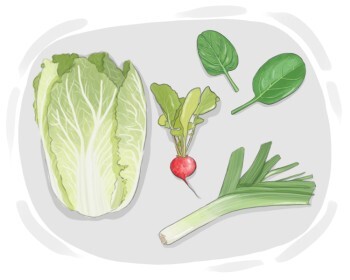
veggie
veggie
[名詞]

a plant or part of a plant that is eaten as food

野菜, 食用植物

野菜, 食用植物

Ex: I ordered a side of steamed veggies with my dinner. 

私は夕食に蒸した野菜のサイドディッシュを注文しました。

lemonade
lemonade
[名詞]

a drink made with water, sugar, and lemon juice

レモネード, レモン飲料

レモネード, レモン飲料

Ex: The kids set up a lemonade stand to raise money for charity. 

子供たちはチャリティーのために資金を集めるためにレモネードスタンドを設置しました。
lunch
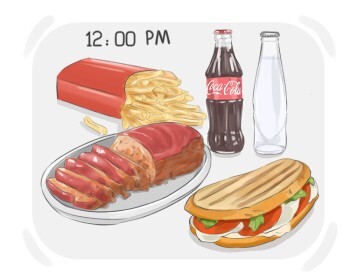
lunch
[名詞]

a meal we eat in the middle of the day

昼食, 昼の食事

昼食, 昼の食事

Ex: I made a Greek salad with feta cheese and olives for a healthy and flavorful lunch. 

健康的で風味豊かな昼食のために、フェタチーズとオリーブの入ったギリシャサラダを作りました。

cheeseburger
cheeseburger
[名詞]

a type of hamburger topped with melted cheese, typically served on a bun

チーズバーガー

チーズバーガー

Ex: He ordered a juicy cheeseburger with all the fixings for lunch at the diner. 

彼はダイナーで昼食にすべてのトッピングを載せたジューシーなチーズバーガーを注文しました。

special
special
[形容詞]

different or better than what is normal

特別, 特殊
特別, 特殊

Ex: That song holds a special place in her heart. 

その歌は彼女の心の中に特別な場所を持っています。

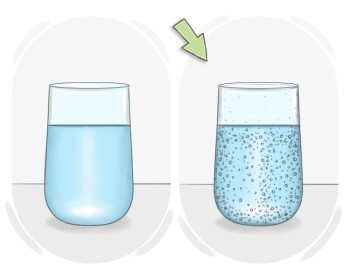
sparkling water

water which is carbonated or fizzy

炭酸水, スパークリングウォーター

炭酸水, スパークリングウォーター

Ex: She ordered a glass of sparkling water with lemon at the restaurant. 

彼女はレストランでレモンの入った炭酸水を一杯注文しました。

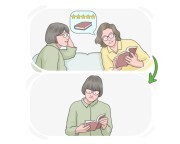
to review
to review
[動詞]

to reconsider something, especially in order to make a decision about it or make modifications to it

検討する, 見直す

検討する, 見直す

Ex: The board of directors will review the company's financial performance before deciding on the next steps for expansion. 

取締役会は、拡張のための次のステップを決定する前に、会社の財務実績を検討します。

food truck
food truck
[名詞]

a large vehicle equipped with a kitchen that sells freshly prepared meals, snacks, or beverages in different locations

フードトラック, 移動販売車

フードトラック, 移動販売車

Ex: The food truck served delicious tacos and burritos. 

フードトラックはおいしいタコスとブリトーを提供しました。

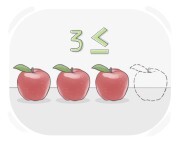
at least
at least
[副詞]

in a manner that conveys the minimum amount or number needed

少なくとも, 最低でも

少なくとも, 最低でも

Ex: You must have at least $50 to open a bank account. 

銀行口座を開設するには、少なくとも50ドルが必要です。

dessert
dessert
[名詞]

‌sweet food eaten after the main dish

デザート, スイーツ

デザート, スイーツ

Ex: He whipped up a batch of brownies as a quick dessert. 

彼は素早くブラウニーのバッチをデザートとして作りました。

to recommend
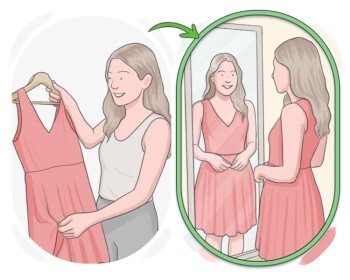
to recommend
[動詞]

to suggest to someone that something is good, convenient, etc.

推薦する, 勧める
推薦する, 勧める

Ex: She regularly recommends this book to anyone interested in history. 

彼女は歴史に興味のある人に定期的にこの本を勧めます

to try
to try
[動詞]

to test something by doing or using it to find out if it is suitable, useful, good, etc.

試す, テストする
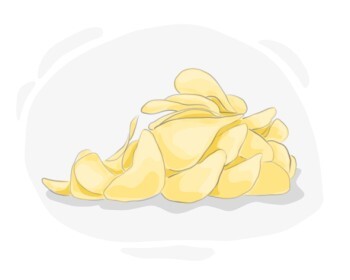
試す, テストする

Ex: Have you tried the new flavor of ice cream at the shop? 

お店の新しいアイスクリームの味を試しましたか?

crispy
crispy
[形容詞]

(of food) having a firm, dry texture that makes a sharp, crunching sound when broken or bitten

サクサク, カリカリ

サクサク, カリカリ

Ex: The fries were perfectly crispy on the outside and fluffy on the inside. 

フライドポテトは外側が完璧にサクサクで、内側はふわふわでした。

friendly
friendly
[形容詞]

(of a person or their manner) kind and nice toward other people

友好的, 親しみやすい
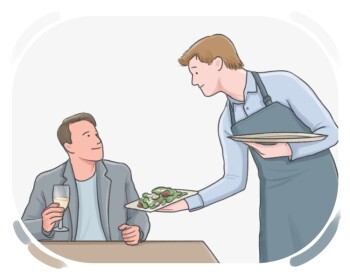
友好的, 親しみやすい

Ex: Despite his fame, he is a friendly and approachable person. 

彼は有名ですが、友好的で近づきやすい人です。

service
service
[名詞]

the act of attending to the needs of others in a professional setting, such as serving food, clearing tables, or assisting guests

サービス, 接客

サービス, 接客

Ex: The restaurant's service impressed every diner. 

レストランのサービスは、すべての客を感動させた。

to improve
to improve
[動詞]

to make a person or thing better

改善する, 向上させる

改善する, 向上させる

Ex: Regular exercise can improve your overall health. 

定期的な運動はあなたの全体的な健康を改善することができます。

to hope
to hope
[動詞]

to want something to happen or be true

望む, 願う
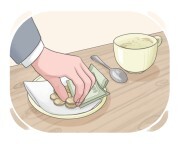
望む, 願う

Ex: They hoped their team would win the championship. 

彼らは自分のチームが優勝することを望んでいた。

to tip
to tip
[動詞]

to give a small amount of money to a waiter, driver, etc. to thank them for their services

チップを渡す, チップを置く

チップを渡す, チップを置く

Ex: She tipped the waitress generously for her attentive service during the dinner. 

彼女は夕食中の気の利いたサービスに対してウェイトレスに気前よくチップを渡しました

slang
slang
[名詞]

words or expressions that are very informal and more common in spoken form, used especially by a particular group of people, such as criminals, children, etc.

スラング, 俗語

スラング, 俗語

Ex: Teenagers often use slang like 'lit' to describe something that is exciting or excellent, which may not be easily understood by older generations. 

ティーンエイジャーはしばしば「lit」のようなスラングを使って、エキサイティングなものや素晴らしいものを表現しますが、これは年配の世代には簡単には理解できないかもしれません。

to provide
to provide
[動詞]

to give someone what is needed or necessary

提供する, 与える

提供する, 与える

Ex: The company will provide training for all new employees. 

会社はすべての新入社員にトレーニングを提供します。

to vary
to vary
[動詞]

to make changes to or modify something, making it slightly different

変える, 変更する
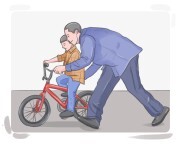
変える, 変更する

Ex: The chef likes to vary the ingredients in her recipes, experimenting with different herbs and spices. 

シェフは、さまざまなハーブやスパイスを使って実験しながら、レシピの材料を変えるのが好きです。

to rely on
to rely on
[動詞]

to have faith in someone or something

頼る, 信頼する

頼る, 信頼する

Ex: The team knew they could rely on their captain's leadership during tough matches. 

チームは、厳しい試合中にキャプテンのリーダーシップに頼れることを知っていました。

to add
to add
[動詞]

to put something such as an ingredient, additional element, etc. together with something else

加える, 混ぜる

加える, 混ぜる

Ex: Stir-fry the vegetables, then add the tofu. 

野菜を炒めて、その後豆腐を加えてください。

wage
wage
[名詞]

money that a person earns, daily or weekly, in exchange for their work

賃金, 給料
賃金, 給料

Ex: The company increased the minimum wage for its employees to attract and retain talent. 

会社は才能を引き付け、維持するために、従業員の最低賃金を引き上げました。

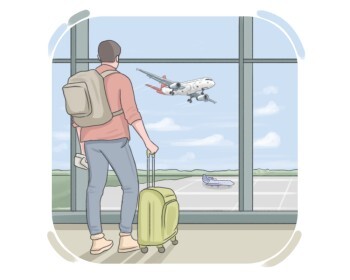
airport
airport
[名詞]

a large place where planes take off and land, with buildings and facilities for passengers to wait for their flights

空港, エアポート

空港, エアポート

Ex: I always feel a mix of emotions when saying goodbye to loved ones at the airport. 

私はいつも、空港で愛する人に別れを告げるとき、感情が入り混じった気持ちになります。

taxi driver
taxi driver
[名詞]

someone whose job involves driving a taxi and taking people to different places

タクシー運転手, タクシードライバー

タクシー運転手, タクシードライバー

Ex: The taxi driver knew the quickest route to the airport. 

タクシーの運転手は空港までの最短ルートを知っていた。

hairstylist
hairstylist
[名詞]

someone whose job is to cut people's hair or arrange it

美容師, ヘアスタイリスト

美容師, ヘアスタイリスト

Ex: After training for a year, she became a certified hairstylist. 

1年間のトレーニングの後、彼女は認定ヘアスタイリストになりました。

bellhop
bellhop
[名詞]

a person who is employed by a hotel to carry the guests' baggage to their rooms

ベルボーイ, 荷物運び

ベルボーイ, 荷物運び

Ex: The bellhop carried my suitcases to my hotel room. 

ベルホップが私のスーツケースをホテルの部屋まで運んでくれました。

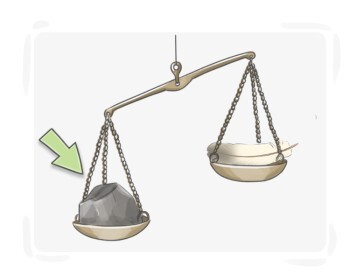
heavy
heavy
[形容詞]

having a lot of weight and not easy to move or pick up

重い
重い

Ex: He felt the weight of the heavy burden on his shoulders. 

彼は肩に重い荷の重さを感じた。

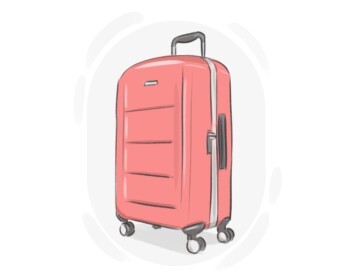
suitcase
suitcase
[名詞]

a case with a handle, used for carrying clothes, etc. when we are traveling

スーツケース, 旅行かばん

スーツケース, 旅行かばん

Ex: She always puts a colorful tag on her suitcase to easily identify it at baggage claim. 

彼女はいつもスーツケースにカラフルなタグを付けて、手荷物受取所で簡単に見分けられるようにしています。

as well
as well
[副詞]

in addition to something else

も, さらに

も, さらに

Ex: She attended the conference as well as the workshop. 

彼女は会議だけでなくワークショップにも参加しました。

culture
culture
[名詞]

the general beliefs, customs, and lifestyles of a specific society

文化
文化

Ex: In Japanese culture, it's customary to bow when greeting someone. 

日本の文化では、誰かに挨拶するときに会釈するのが習慣です。

rarely
rarely
[副詞]

on a very infrequent basis

めったに, ほとんど

めったに, ほとんど

Ex: She rarely eats sweets, preferring fruit instead. 

彼女はめったに甘いものを食べず、代わりに果物を好む。

in fact
in fact
[副詞]

used to introduce a statement that provides additional information or emphasizes the truth or reality of a situation

実際には, 実は

実際には, 実は

Ex: She said she would be late; in fact, she didn't arrive until well after the meeting had started. 

彼女は遅れると言っていた;実際には、会議が始まってからかなり後に到着した。

confusing
confusing
[形容詞]

not clear or easily understood

混乱させる, わかりにくい

混乱させる, わかりにくい

Ex: The teacher's explanation of the math problem was so confusing that most of the class couldn't follow along. 

先生の数学の問題の説明はとても分かりにくく、クラスのほとんどが理解できませんでした。
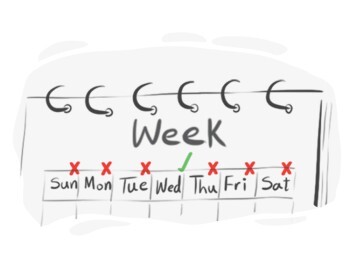
already
already
[副詞]

before the present or specified time

すでに, 以前に

すでに, 以前に

Ex: She had already left when I arrived. 

私が到着したとき、彼女はすでに出発していた。

amount
amount
[名詞]

the total number or quantity of something

量, 金額

量, 金額

Ex: The amount of rainfall last month was unusually high, causing flooding in some areas. 

先月の降雨は異常に高く、一部の地域で洪水を引き起こしました。

customary
customary
[形容詞]

commonly practiced or accepted as a usual way of doing things

慣例的な, 習慣的な

慣例的な, 習慣的な

Ex: It is customary to tip waitstaff in restaurants in many countries, typically around 15-20% of the bill. 

多くの国でレストランのウェイトスタッフにチップを渡すのが慣習で、通常は請求書の15〜20%程度です。

according to
according to
[前置詞]

in a way that follows or obeys a particular particular plan, system, or set of rules

によると, に従って

によると, に従って

Ex: The professor, according to the syllabus, expects the assignment to be submitted by Friday. 

教授は、シラバスに従って、課題が金曜日までに提出されることを期待しています。

source
source
[名詞]

a place or thing from which something originates or begins

源, 起源

源, 起源

Ex: Knowledge is a valuable source of power. 

知識は力の貴重なです。

average
average
[形容詞]

calculated by adding a set of numbers together and dividing this amount by the total number of amounts in that set

平均
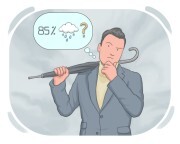
平均

Ex: The average rainfall in the region is 40 inches per year. 

この地域の平均降雨量は年間40インチです。

probably
probably
[副詞]

used to show likelihood or possibility without absolute certainty

おそらく, たぶん

おそらく, たぶん

Ex: She will probably arrive at the party after 8 PM. 

彼女はおそらく8時以降にパーティーに到着するでしょう。

prize
prize
[名詞]

anything that is given as a reward to someone who has done very good work or to the winner of a contest, game of chance, etc.

賞, 報酬
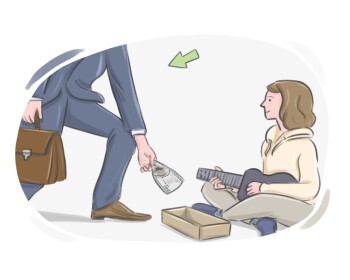
賞, 報酬

Ex: She was thrilled to receive the first prize in the art competition for her stunning painting. 

彼女はその素晴らしい絵で美術コンテストの一等を受賞して大喜びでした。

generous
generous
[形容詞]

having a willingness to freely give or share something with others, without expecting anything in return

寛大な、気前の良い

寛大な、気前の良い

Ex: She's a generous donor, always contributing to charitable causes and helping those in need. 

彼女は寛大な寄付者で、常に慈善事業に貢献し、困っている人々を助けています。

nursing school

a place where students can learn how to become nurses

看護学校, 看護師養成所

看護学校, 看護師養成所

Ex: She enrolled in nursing school to pursue a career in healthcare. 

彼女は医療分野でのキャリアを追求するために看護学校に入学しました。

fee
fee
[名詞]

the money that is paid to a professional or an organization for their services

料金, 手数料

料金, 手数料

Ex: The lawyer's fee for handling the case was quite high. 

その事件を扱う弁護士の報酬はかなり高かった。

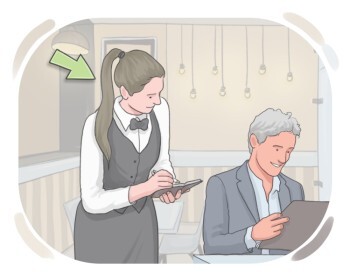
waitress
waitress
[名詞]

a woman who brings people food and drinks in restaurants, cafes, etc.

ウェイトレス, 女性の給仕

ウェイトレス, 女性の給仕

Ex: I asked the waitress for the bill after finishing my meal. 

食事を終えた後、ウェイトレスに請求書を頼みました。

LanGeek
LanGeekアプリをダウンロード