
人間の身体的属性の形容詞 - 一時的な身体状態の形容詞

これらの形容詞は、「空腹」、「疲れた」、「目が覚めている」など、変化する可能性のある体の状態や特徴を伝えます。

review-disable

レビュー

flashcard-disable

フラッシュカード

spelling-disable

綴り

quiz-disable

クイズ

学習を開始
人間の身体的属性の形容詞
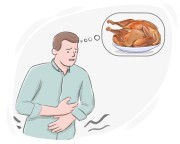
hungry [形容詞]
اجرا کردن

空腹,飢え

Ex: After playing outside all day , the children were hungry for dinner .

一日中外で遊んだ後、子供たちは夕食にお腹が空いていた。
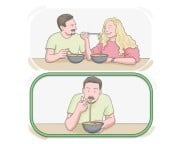
alone [副詞]
اجرا کردن

一人で

Ex: He likes to eat lunch alone and enjoy some quiet time .

彼は一人で昼食を食べ、静かな時間を楽しむのが好きです。

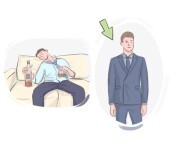
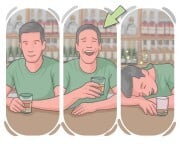
sober [形容詞]
اجرا کردن

しらふ

Ex: He has been sober for three years , overcoming his alcohol addiction .

彼は3年間酒を断ち、アルコール依存症を克服しました。

ripped [形容詞]
اجرا کردن

酔っ払った

Ex: After a few shots of tequila, he was completely ripped and couldn't walk straight.

テキーラを数杯飲んだ後、彼は完全に酔っ払っていて、まっすぐ歩けなかった。

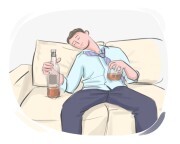
drunk [形容詞]
اجرا کردن

酔っ払った

Ex: The bar refused to serve more drinks to visibly drunk patrons .

バーは明らかに酔っ払った客にこれ以上飲み物を提供することを拒否した。

relaxed [形容詞]
اجرا کردن

リラックスした

Ex: After a long day at work , he enjoys taking a hot bath to feel relaxed and unwind .
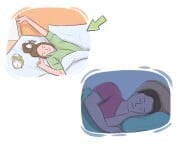
asleep [形容詞]
اجرا کردن

眠っている

Ex: The baby was fast asleep in her crib, completely unaware of the world around her.

赤ちゃんはベッドで眠っていて、周りの世界にまったく気づいていませんでした。

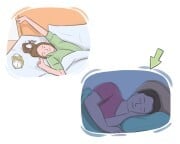
awake [形容詞]
اجرا کردن

目が覚めている

Ex: He was fully awake and alert during the early morning meeting .

彼は早朝の会議中、完全に目が覚めていて警戒していた。

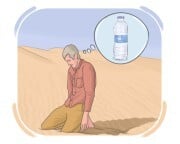
thirsty [形容詞]
اجرا کردن

喉が渇いた,渇きを感じる

Ex: After eating spicy food , he became very thirsty and drank a glass of water .

辛いものを食べた後、彼はとても喉が渇いたので、水を一杯飲んだ。

captive [形容詞]
اجرا کردن

捕らわれの

Ex: She felt like a captive audience , unable to leave until the end of the boring presentation .

彼女は囚われの観客のように感じ、退屈なプレゼンテーションが終わるまで去ることができなかった。

drunken [形容詞]
اجرا کردن

酔っ払った

Ex: He spoke in a drunken slur after a night at the bar .

バーで一晩過ごした後、彼は酔っ払ったような喋り方をした。

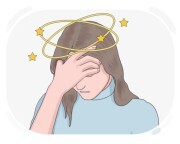
giddy [形容詞]
اجرا کردن

めまいがする

Ex: She stood up too quickly and felt giddy , needing to sit back down to steady herself .

彼女は急に立ち上がり、めまいを感じ、落ち着くために再び座る必要があった。

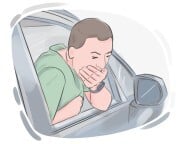
nauseous [形容詞]
اجرا کردن

吐き気がする

Ex: The bumpy car ride made her feel nauseous , and she had to close her eyes to avoid getting sick .

でこぼこの車の乗り心地が彼女を吐き気させ、彼女は気分が悪くならないように目を閉じなければならなかった。

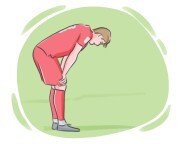
tired [形容詞]
اجرا کردن

疲れた

Ex: After a long day at work , he felt extremely tired .

長い仕事の一日の後、彼は非常に疲れたと感じました。

fatigued [形容詞]
اجرا کردن

疲れ果てた

Ex: After working three consecutive night shifts , she felt completely fatigued and could barely keep her eyes open .

連続して3回の夜勤を終えた後、彼女は完全に疲れ果て、目を開けているのがやっとだった。

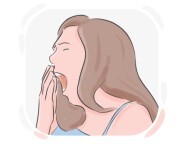
sleepy [形容詞]
اجرا کردن

眠い

Ex: After staying up late to finish her homework , she felt incredibly sleepy during class .

宿題を終わらせるために夜更かしした後、彼女は授業中に信じられないほど眠く感じました。

beat [形容詞]
اجرا کردن

疲れ果てた

Ex: I was so beat after moving all those boxes .

あの箱を全部動かした後、私はとても疲れ果てていた

weary [形容詞]
اجرا کردن

疲れた

Ex: After a long day of hiking , he felt weary and ready to rest .

長い一日のハイキングの後、彼は疲れを感じ、休む準備ができていました。

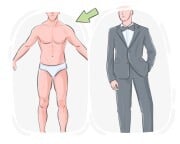
naked [形容詞]
اجرا کردن

裸の

Ex: She felt a bit self-conscious being naked in front of strangers at the nude beach .

彼女はヌーディストビーチで見知らぬ人の前ででいることに少し自意識を感じた。

bare [形容詞]
اجرا کردن

裸の

Ex: She felt the cool breeze on her bare arms as she walked along the beach .

彼女はビーチを歩きながら、裸の腕に涼しい風を感じた。

nude [形容詞]
اجرا کردن

裸の

Ex: The art class drew a nude model to practice figure drawing .

美術の授業では、人物画の練習のためにのモデルを描きました。

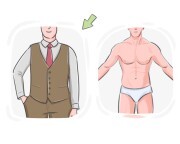
dressed [形容詞]
اجرا کردن

着飾った

Ex: She was dressed in a beautiful evening gown for the gala, attracting compliments from everyone at the event.

彼女はガラのために美しいイブニングガウンを着て、イベントのすべての人から賞賛を集めました。

drowsy [形容詞]
اجرا کردن

眠い

Ex: After a heavy lunch, she felt drowsy and struggled to keep her eyes open at her desk.

重い昼食の後、彼女は眠気を感じ、机で目を開けていようと苦労した。

tipsy [形容詞]
اجرا کردن

ほろ酔い

Ex: He felt tipsy after a couple of glasses of wine.

彼はワインを数杯飲んだ後、ほろ酔いを感じた。

intoxicated [形容詞]
اجرا کردن

酔っ払った

Ex: He was clearly intoxicated after consuming several drinks at the party, slurring his words and stumbling as he walked.

彼はパーティーでいくつかの飲み物を飲んだ後、明らかに酔っ払っており、言葉を濁しながら歩いていてよろめいていた。

famished [形容詞]
اجرا کردن

空腹の

Ex: After skipping breakfast and lunch , she felt famished and eagerly devoured her dinner .

朝食と昼食を抜いた後、彼女はひどく空腹を感じ、夕食をむさぼるように食べた。

starving [形容詞]
اجرا کردن

飢えた

Ex: Starving people often struggle to find basic resources.

飢えた人々はしばしば基本的な資源を見つけるのに苦労します。

ravenous [形容詞]
اجرا کردن

飢えた

Ex: The smell of freshly baked cookies made the children ravenous , and they quickly gathered around the kitchen .

焼きたてのクッキーの匂いで子供たちは腹ペコになり、すぐにキッチンの周りに集まった。

peckish [形容詞]
اجرا کردن

小腹が空いた

Ex: I 'm feeling a bit peckish , so I 'll have an apple before dinner .

少しお腹が空いたので、夕食前にリンゴを食べます。

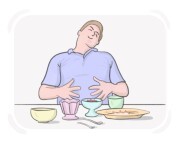
satiated [形容詞]
اجرا کردن

満腹

Ex: After the hearty meal, they felt satiated and content, unable to eat another bite.

心のこもった食事の後、彼らは満腹で満足し、もう一口も食べられないほどでした。

parched [形容詞]
اجرا کردن

喉が渇いた

Ex: After spending hours in the hot sun, he felt parched and desperately needed a drink of water.

何時間も暑い日差しの下で過ごした後、彼はひどく喉が渇いたと感じ、必死に水を必要としていました。