
身体的および社会的ライフスタイルの動詞 - 対人関係のための動詞

ここでは、「友達になる」、「求婚する」、「養子にする」などの対人関係を指す英語の動詞をいくつか学びます。

review-disable

レビュー

flashcard-disable

フラッシュカード

spelling-disable

綴り

quiz-disable

クイズ

学習を開始
身体的および社会的ライフスタイルの動詞
to know [動詞]
اجرا کردن

知っている

Ex: I know the owner of the restaurant , he 's a friend of mine .

私はそのレストランのオーナーを知っています、彼は私の友達です。

اجرا کردن

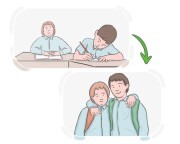
仲良くする

Ex: Despite their differences , they manage to get along and work as a team .

彼らは違いがあるにもかかわらず、うまくやっていくことができ、チームとして働いています。

to befriend [動詞]
اجرا کردن

友達になる

Ex: During the school orientation , she made an effort to befriend her classmates .

学校のオリエンテーション中、彼女はクラスメートと友達になるように努力しました。

اجرا کردن

親しくする

Ex: Employees are advised not to fraternize with clients inappropriately .

従業員は、クライアントと不適切に親しくしないようにアドバイスされています。

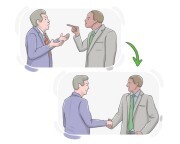
اجرا کردن

仲直りする

Ex: Friends often reconcile by acknowledging misunderstandings and apologizing .

友人はよく誤解を認めて謝罪することで和解します。

to date [動詞]
اجرا کردن

付き合う

Ex: He asked her to date him on Valentine's day

彼はバレンタインデーに彼女とデートするように頼んだ。

to go out [動詞]
اجرا کردن

付き合う

Ex: He asked her to go out with him , and she happily agreed .
to ghost [動詞]
اجرا کردن

ゴーストする

Ex: He just ghosted me after three dates .

彼は3回デートした後に私をゴーストした。

to flirt [動詞]
اجرا کردن

いちゃつく

Ex: At the party, she couldn't resist the temptation to flirt with the charming stranger.

パーティーで、彼女は魅力的な見知らぬ人とflirtする誘惑に抵抗できなかった。

to seduce [動詞]
اجرا کردن

誘惑する

Ex: The character in the novel used cunning tactics to seduce the protagonist .

小説のキャラクターは、主人公を誘惑するために狡猾な戦術を使いました。

to court [動詞]
اجرا کردن

求愛する

Ex: In the Victorian era , gentlemen would traditionally court ladies with flowers and polite gestures .

ビクトリア朝時代には、紳士は伝統的に花と礼儀正しいジェスチャーで女性に求愛しました。

to love [動詞]
اجرا کردن

愛する

Ex: He loves his dog , Max , and takes him for long walks every day .

彼は自分の犬、マックスを愛していて、毎日長い散歩に連れて行きます。

to propose [動詞]
اجرا کردن

プロポーズする

Ex: On a beautiful evening , he chose to propose to his girlfriend with a ring .
to betroth [動詞]
اجرا کردن

婚約する

Ex: In many cultures , couples are betrothed during traditional engagement ceremonies .

多くの文化では、カップルは伝統的な婚約式の間に婚約します。

to marry [動詞]
اجرا کردن

結婚する

Ex: She did n't expect to marry so soon , but she fell in love .

彼女はこんなに早く結婚するとは思っていなかったが、恋に落ちた。

to wed [動詞]
اجرا کردن

結婚する

Ex: The couple decided to wed in a small, intimate ceremony with close friends and family.

カップルは、親しい友人や家族と小さくて親密な式で結婚することを決めました。

to cheat [動詞]
اجرا کردن

浮気する

Ex: Trust is a crucial element in any relationship, and cheating can break that trust irreparably.

信頼はあらゆる関係において重要な要素であり、浮気はその信頼を修復不可能なほど壊すことがあります。

to divorce [動詞]
اجرا کردن

離婚する

Ex: After years of struggling , they decided to divorce and pursue separate lives .

何年も苦労した後、彼らは離婚して別々の人生を歩むことに決めました。

to separate [動詞]
اجرا کردن

別れる

Ex: After years of struggling , they decided to separate and pursue different paths .

何年も苦労した後、彼らは別れることと別々の道を進むことを決めた。

to split up [動詞]
اجرا کردن

別れる

Ex: They tried to make it work, but eventually, they had to split up to find happiness independently.

彼らはそれをうまくいくように試みたが、結局、独立して幸せを見つけるために別れざるを得なかった

to parent [動詞]
اجرا کردن

育てる

Ex: Both parents actively parent their children , sharing responsibilities and decisions .

両親はともに積極的に子供を育て、責任と決定を共有します。

to nurture [動詞]
اجرا کردن

育てる

Ex: The parents nurture their children with love , attention , and positive influences .

親は愛情、注意、そしてポジティブな影響力で子供を育てます

to adopt [動詞]
اجرا کردن

養子にする

Ex: The couple decided to adopt a child to expand their family and share their love .

カップルは家族を広げ、愛を分かち合うために子供を養子にすることを決めました。

to foster [動詞]
اجرا کردن

養育する

Ex: The couple decided to foster a child , offering a stable and nurturing environment .

カップルは子供を育てることを決め、安定した育成環境を提供しました。

to disown [動詞]
اجرا کردن

捨てる

Ex: He chose to disown his former beliefs after learning more about the issue .

彼は問題についてさらに学んだ後、以前の信念を捨てることを選んだ。