

物事に関する様態の副詞 - 偶然の副詞

これらの副詞は、何かが準備して起こったのか、偶然に起こったのかを示し、"偶然に"、"ランダムに"、"即興で"などの副詞を含みます。

review-disable

レビュー

flashcard-disable

フラッシュカード

spelling-disable

綴り

quiz-disable

クイズ

学習を開始
物事に関する様態の副詞
اجرا کردن

偶然に

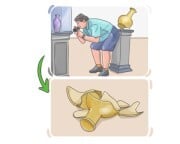
Ex: She accidentally knocked over the vase while reaching for her phone .

彼女は電話に手を伸ばしているときに偶然花瓶を倒してしまった。
randomly [副詞]
اجرا کردن

ランダムに

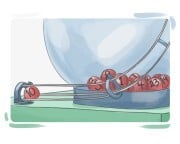
Ex: The cards were shuffled randomly before the game .

ゲーム前にカードはランダムにシャッフルされました。

اجرا کردن

偶然にも

Ex: Coincidentally , they both chose the same restaurant for lunch .

偶然にも、二人は昼食に同じレストランを選んだ。

arbitrarily [副詞]
اجرا کردن

任意に

Ex: The seating arrangement was done arbitrarily for the informal meeting .

非公式な会議のために座席配置は任意に行われた。

at random [副詞]
اجرا کردن

無作為に

Ex: The winners were selected at random from the pool of entries .

勝者は応募者の中から無作為に選ばれました。

by chance [副詞]
اجرا کردن

偶然に

Ex: They met by chance at the coffee shop and struck up a conversation .

彼らはコーヒーショップで偶然出会い、会話を始めた。

اجرا کردن

偶然に

Ex: Fortuitously , they found a shortcut that saved them from being late .

偶然にも、彼らは遅刻を免れる近道を見つけた。

اجرا کردن

偶然幸運にも

Ex: Serendipitously , they found a rare book they had been searching for at the bookstore .

偶然にも、彼らは本屋で探していた珍しい本を見つけた。

اجرا کردن

予測不可能な方法で

Ex: The weather in the region changes unpredictably throughout the day .

その地域の天気は一日中予測不可能な方法で変化します。

اجرا کردن

予期せず

Ex: She received an unexpectedly generous gift on her birthday .

彼女は誕生日に予想外に寛大な贈り物を受け取りました。

اجرا کردن

自発的に

Ex: They decided to go on a trip spontaneously after seeing a travel deal .

彼らは旅行のセールを見た後、衝動的に旅行に行くことに決めました。

اجرا کردن

無差別に

Ex: The bombs fell indiscriminately , hitting homes , schools , and hospitals alike .

爆弾は無差別に落とされ、家屋、学校、病院などに被害を与えた。

impromptu [副詞]
اجرا کردن

即興で

Ex: She sang impromptu during the gathering, surprising everyone with her talent.

彼女は集まりの最中に即興で歌い、その才能で皆を驚かせた。

اجرا کردن

直感に反して

Ex: Counterintuitively , the smaller car proved to be more fuel-efficient than the larger , more streamlined model .

直感に反して、より小さな車は、より大きく、より流線形のモデルよりも燃料効率が良いことが証明されました。

predictably [副詞]
اجرا کردن

予想通りに

Ex: As the seasons changed , predictably , the trees shed their leaves in the autumn .

季節が変わるにつれて、予想通りに、木々は秋に葉を落とした。

اجرا کردن

驚くことなく

Ex: Unsurprisingly , the experienced chef 's new recipe became an instant hit with the restaurant 's regular customers .

予想通り、経験豊富なシェフの新しいレシピは、レストランの常連客の間で即座にヒットしました。

اجرا کردن

将来的に

Ex: The company implemented changes prospectively , aiming to improve efficiency in the upcoming fiscal year .

同社は、来年度の効率向上を目指して、変更を将来的に実施しました。

extempore [副詞]
اجرا کردن

即興で

Ex: The teacher asked the students to share their thoughts extempore on the assigned topic .

教師は生徒に、割り当てられたトピックについて即興で考えを共有するように求めました。