

pattern

IELTS Generalの語彙 (スコア6-7) - 理解と学習

ここでは、General Training IELTS試験に必要な理解と学習に関連するいくつかの英単語を学びます。

レビュー

フラッシュカード

語形

綴り

クイズ

学習を開始
Vocabulary for General Training IELTS (6-7)
to grasp
to grasp
[動詞]

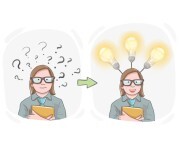
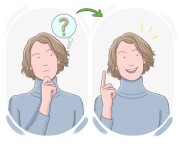
to mentally understand information or concepts

理解する, 把握する

理解する, 把握する

Ex: After multiple explanations, he finally managed to grasp the complex mathematical concept. 
to master
to master
[動詞]

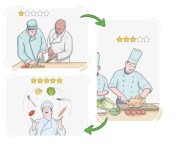
to learn to perform or use a skill or ability thoroughly and completely

習得する, マスターする

習得する, マスターする

Ex: The chef took the time to master the art of creating intricate desserts. 
to acquire
to acquire
[動詞]

to gain skills or knowledge in something

習得する, 獲得する

習得する, 獲得する

Ex: The new employee worked diligently to acquire the necessary technical skills for the job. 
to perceive
to perceive
[動詞]

to become aware or conscious of something

感知する, 認識する

感知する, 認識する

Ex: He didn't initially understand the implications, but soon perceived the gravity of the decision. 
to conceive
to conceive
[動詞]

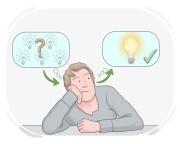
to produce a plan, idea, etc. in one's mind

考案する, 想像する

考案する, 想像する

Ex: The architect conceived a visionary design for the futuristic building. 
to recognize
to recognize
[動詞]

to know who a person or what an object is, because we have heard, seen, etc. them before

認識する, 見分ける

認識する, 見分ける

Ex: I immediately recognized her voice on the phone. 
to process
to process
[動詞]

to handle and work with data by operating on them in a computer

処理する, 操作する

処理する, 操作する

Ex: The computer program processed the input data, performing calculations and generating the desired output. 
to apprehend
to apprehend
[動詞]

to mentally grasp or understand

理解する, 把握する

理解する, 把握する

Ex: The teacher used various examples and analogies to help the students apprehend the complex scientific theory. 
to conclude
to conclude
[動詞]

to come to a personal determination or belief after considering information or experiences

結論を出す, 結論に達する

結論を出す, 結論に達する

Ex: After much thought, she concluded that it was time to move on from her job. 
to deduce
to deduce
[動詞]

to determine by a process of logical reasoning

推論する, 推測する

推論する, 推測する

Ex: From the evidence presented, the detective deduced the likely sequence of events. 
to intuit
to intuit
[動詞]

to grasp or comprehend something instinctively and without conscious reasoning

直感する, 察する

直感する, 察する

Ex: He could intuit that something was bothering his friend based on the subtle change in his demeanor. 
to internalize

to incorporate or integrate information, beliefs, or values into one's own understanding or mindset

内面化する, 取り入れる

内面化する, 取り入れる

Ex: As part of the training program, employees were encouraged to internalize the company's core values to create a positive work environment. 
to investigate

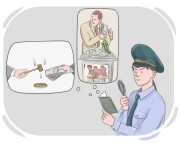
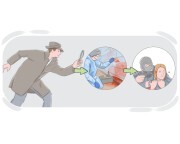
to try to find the truth about a crime, accident, etc. by carefully examining its facts

調査する,  調べる

調査する, 調べる

Ex: The police were called to investigate the suspicious death. 
to pick up
to pick up
[動詞]

to acquire a new skill or language through practice and application rather than formal instruction

習得する, 実践を通じて学ぶ

習得する, 実践を通じて学ぶ

Ex: He picked up a bit of Italian while traveling through Italy. 
to detect
to detect
[動詞]

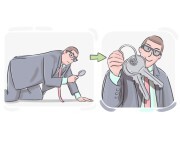
to notice or discover something that is difficult to find

検出する, 発見する

検出する, 発見する

Ex: The security system is designed to detect unauthorized access to the building. 
to identify
to identify
[動詞]

to be able to say who or what someone or something is

識別する,  見分ける

識別する, 見分ける

Ex: The detective easily identifies the suspect from the security footage. 
to distinguish

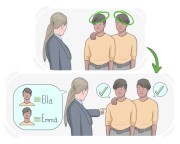
to recognize and mentally separate two things, people, etc.

区別する, 見分ける

区別する, 見分ける

Ex: The detective could distinguish the authentic painting from the clever forgery. 
to determine
to determine
[動詞]

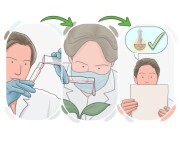
to learn of and confirm the facts about something through calculation or research

決定する, 確立する

決定する, 確立する

Ex: Scientists regularly determine the chemical composition of substances in the laboratory. 
to sense
to sense
[動詞]

to comprehend or interpret the meaning of something

感じる, 理解する

感じる, 理解する

Ex: He couldn’t sense the underlying message in the letter at first. 
to catch on
to catch on
[動詞]

to understand a concept

理解する, 把握する

理解する, 把握する

Ex: It took a few tries, but eventually, she caught on to the intricacies of the challenging puzzle. 
to acknowledge

to notice and show recognition to someone

認める, 感謝する

認める, 感謝する

Ex: The director made sure to acknowledge every actor's contribution during the play's finale 
to take in
to take in
[動詞]

to comprehend something

理解する, 把握する

理解する, 把握する

Ex: Take the details in carefully; they are crucial for the task. 
to decode
to decode
[動詞]

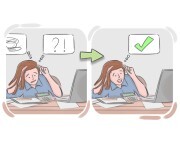
to figure out or understand something that is confusing or difficult to understand

解読する, 理解する

解読する, 理解する

Ex: It took me a while to decode the complex scientific article, but eventually, I understood the key concepts. 
to absorb
to absorb
[動詞]

to understand and incorporate information, ideas, or experiences

吸収する, 理解する

吸収する, 理解する

Ex: As a dedicated student, she strives to read and absorb information from a variety of textbooks to deepen her understanding of the subject. 
to scan
to scan
[動詞]

to examine something or someone very carefully and thoroughly

調べる, スキャンする

調べる, スキャンする

Ex: The auditor scans the financial records to detect any discrepancies. 
to gather
to gather
[動詞]

to understand information based on what is available

理解する, 推測する

理解する, 推測する

Ex: Observing the subtle cues in the conversation, she could gather that her colleague was feeling uneasy about the upcoming changes in the project. 
to assimilate

to fully comprehend and integrate information or ideas

同化する, 統合する

同化する, 統合する

Ex: Students took time to assimilate the historical events discussed in class, connecting them to broader societal contexts. 
to ingest
to ingest
[動詞]

to take in and absorb information or ideas

吸収する, 取り入れる

吸収する, 取り入れる

Ex: She regularly ingests news articles to stay informed about current events. 
to delve
to delve
[動詞]

to search something to find or discover something

探求する, 掘り下げる

探求する, 掘り下げる

Ex: The historian delved into ancient texts and manuscripts, seeking to uncover lost secrets of the past. 
to discern
to discern
[動詞]

to understand something through thought or reasoning

見分ける, 理解する

見分ける, 理解する

Ex: After much thought, she discerned that his actions were motivated by jealousy. 
to pinpoint
to pinpoint
[動詞]

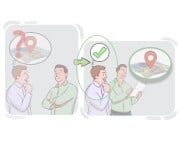
to precisely locate or identify something or someone

正確に位置を特定する, 精密に同定する

正確に位置を特定する, 精密に同定する

Ex: Using advanced technology, scientists were able to pinpoint the epicenter of the earthquake within a matter of seconds. 
to decipher
to decipher
[動詞]

to interpret or understand something that is difficult or unclear

解読する, 解釈する

解読する, 解釈する

Ex: Students may need to decipher complex scientific texts to grasp the concepts. 
LanGeek
LanGeekアプリをダウンロード