
pattern

主要科学者の語彙 - チャールズ・ダーウィン

レビュー

フラッシュカード

綴り

クイズ

学習を開始
Key Scientists Vocabulary
famous
famous
[形容詞]

known by a lot of people

有名な, 著名な

有名な, 著名な

Ex: The famous singer performed to a sold-out crowd at the arena. 

有名な歌手は、アリーナで完売した観衆の前で演奏しました。

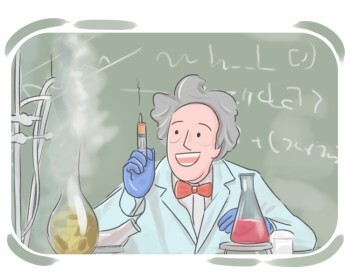
scientist
scientist
[名詞]

someone whose job or education is about science

科学者, 研究者

科学者, 研究者

Ex: Jane dreams of becoming a scientist. 
England
England
[名詞]

the largest country in the United Kingdom, located in Western Europe

イングランド, イングランド

イングランド, イングランド

Ex: The English countryside is picturesque, featuring charming villages, rolling hills, and beautiful gardens. 
to grow up
to grow up
[動詞]

to change from being a child into an adult little by little

成長する, 大人になる

成長する, 大人になる

Ex: Many children dream of what they want to be when they grow up. 

多くの子供たちは、大人になったら何になりたいか夢見ます。

outside
outside
[副詞]

in an open area surrounding a building

外で, 屋外で
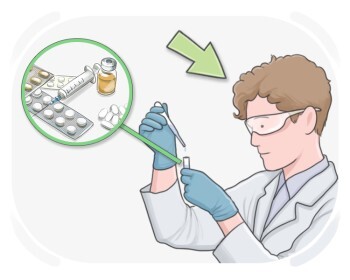
外で, 屋外で

Ex: She prefers to read a book outside on the porch. 
medicine
medicine
[名詞]

the field of science that is concerned with treating injuries and diseases

医学

医学

Ex: Traditional medicine often complements modern practices, with many patients seeking alternative therapies alongside conventional treatments for holistic healing. 
to think
to think
[動詞]

to have a type of belief or idea about a person or thing

思う, 信じる

思う, 信じる

Ex: She thinks that the book is much better than the movie. 
class
class
[名詞]

education or instruction provided in a series of lessons or meetings, often held regularly

クラス, 授業
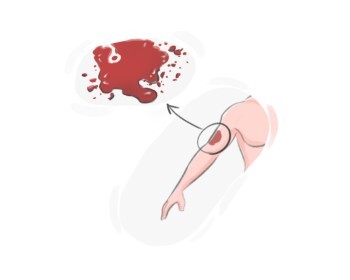
クラス, 授業

Ex: After the class, they felt more confident about their understanding of the subject. 
blood
blood
[名詞]

the red liquid that the heart pumps through the body, carrying oxygen to and carbon dioxide from the tissues

血
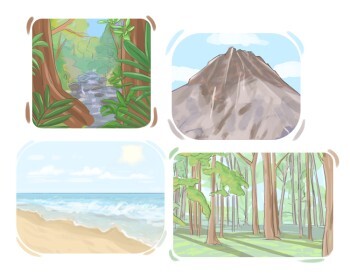
血

Ex: The vampire myth often involves creatures that drink blood. 
nature
nature
[名詞]

everything that exists or happens on the earth, excluding things that humans make or control

自然, 自然環境

自然, 自然環境

Ex: The beauty of nature is evident in the vibrant colors of a sunset. 
leader
leader
[名詞]

a person who leads or commands others

リーダー, 指導者

リーダー, 指導者

Ex: Teachers can be influential leaders in shaping students' futures. 
church
church
[名詞]

a building where Christians go to worship and practice their religion

教会

教会

Ex: The stained glass windows in the church depicted scenes from the Bible. 
to collect
to collect
[動詞]

to gather together things from different places or people

集める, 収集する
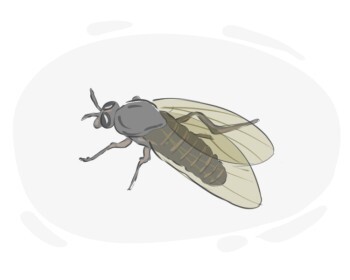
集める, 収集する

Ex: The students were instructed to collect leaves for their biology project. 
bug
bug
[名詞]

any type of small insect

虫, 昆虫

虫, 昆虫

Ex: There was a tiny bug crawling on the kitchen counter. 

キッチンのカウンターに小さな虫が這っていました。

chance
chance
[名詞]

an opportunity that allows someone to achieve or do something they desire

機会, チャンス
機会, チャンス

Ex: He took a chance on a new business idea and found great success. 
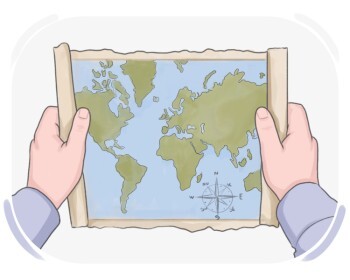
map
map
[名詞]

an image that shows where things like countries, seas, cities, roads, etc. are in an area

地図, 平面図

地図, 平面図

Ex: She unfolded the map to find the location of the tourist attractions. 
South America

the fourth largest continent in the world which is to the south of Central America and North America

南アメリカ, 南米

南アメリカ, 南米

Ex: South America is home to the Amazon Rainforest, which is known for its incredible biodiversity. 

南アメリカは、その信じられないほどの生物多様性で知られるアマゾン熱帯雨林の本拠地です。
trip
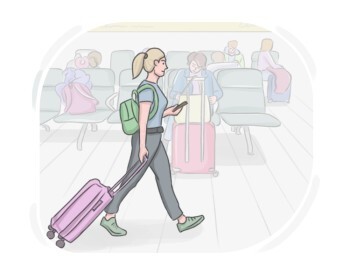
trip
[名詞]

a journey that you take for fun or a particular reason, generally for a short amount of time

旅行, トリップ
旅行, トリップ

Ex: Every year, the Smith family takes a trip to visit relatives in another state. 
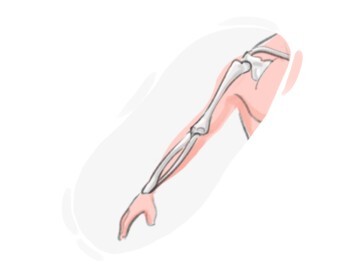
bone
bone
[名詞]

any of the hard pieces making up the skeleton in humans and some animals

骨, 人間の骨

骨, 人間の骨

Ex: The elderly woman suffered from osteoporosis, causing weak bones. 
idea
idea
[名詞]

one's opinion or belief about something

アイデア, 意見

アイデア, 意見

Ex: I don't agree with his idea about how the problem should be solved. 
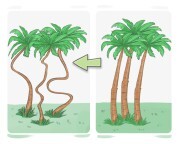
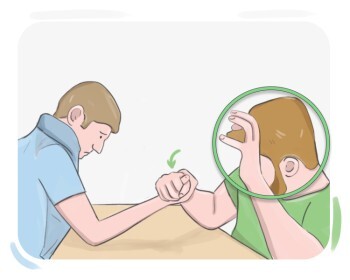
natural selection

a natural process resulting in the evolution of organisms best adapted to the environment

自然選択
自然選択

strong
strong
[形容詞]

having a lot of physical power

強い, 力強い
強い, 力強い

Ex: The strong muscles of the tiger enabled it to bring down its prey with ease. 
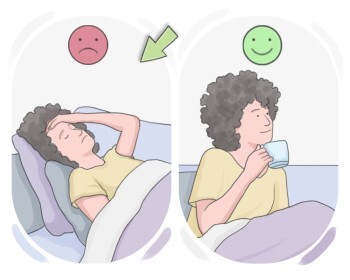
sick
sick
[形容詞]

not in a good and healthy physical or mental state

病気の, 吐き気がする
病気の, 吐き気がする

Ex: She stayed home because she is sick. 
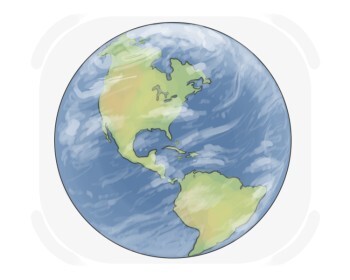
Earth
Earth
[名詞]

a big round mass covered in land and water, on which we all live

地球, 惑星地球

地球, 惑星地球

Ex: We live on planet Earth, which is our home. 
heart problem

any medical condition that affects the function or structure of the heart

心臓の問題, 心臓病

心臓の問題, 心臓病

Ex: After experiencing chest pain, they discovered he had a serious heart problem. 

胸の痛みを経験した後、彼には深刻な心臓の問題があることが分かりました。

evolution
evolution
[名詞]

the process by which populations of living organisms change genetically across successive generations

進化,  生物進化
進化, 生物進化

Ex: Evolution explains how populations of organisms change over many generations. 
to effect
to effect
[動詞]

to cause something to happen or to achieve a desired outcome

実行する, もたらす

実行する, もたらす

Ex: The manager's strategy was designed to effect a turnaround in the department's performance. 
biology
biology
[名詞]

the scientific study of living organisms; the science that studies living organisms

生物学, 生命科学

生物学, 生命科学

Ex: She developed a keen interest in biology and decided to pursue a career in medicine. 

彼女は生物学に強い興味を持ち、医学の道を進むことを決めました。

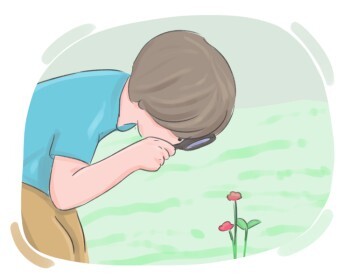
curious
curious
[形容詞]

interested in learning or finding out about people, things, or situations

好奇心旺盛な

好奇心旺盛な

Ex: Children are naturally curious about the world around them. 
to taste
to taste
[動詞]

to have a specific flavor

味わう, 味がする

味わう, 味がする

Ex: This coffee tastes too bitter for me. 
strange
strange
[形容詞]

having unusual, unexpected, or confusing qualities

奇妙な, 変な

奇妙な, 変な

Ex: It's strange to see the streets so empty during a busy time of day. 
LanGeek
LanGeekアプリをダウンロード