pattern

B2レベルの単語リスト - 規制と要件

ここでは、B2レベルの学習者向けに準備された「条件」、「必要性」、「制限」など、規制や要件に関するいくつかの英単語を学びます。

レビュー

フラッシュカード

語形

綴り

クイズ

学習を開始
CEFR B2 Vocabulary
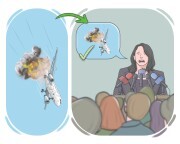
to acknowledge

to openly accept something as true or real

認める, 受け入れる

認める, 受け入れる

Ex: For the therapy to be effective, one must first acknowledge their feelings and emotions. 
to aid
to aid
[動詞]

to help or support others in doing something

助ける, 支援する

助ける, 支援する

Ex: Teachers often aid students in understanding complex topics. 
age limit
age limit
[名詞]

a rule that prevents people of certain age from doing specific activities or having access to certain services

年齢制限

年齢制限

Ex: There's an age limit of 21 years for purchasing alcohol in this country. 

この国ではアルコールを購入するための年齢制限は21歳です。

ban
ban
[名詞]

an official rule that prohibits someone from certain activities, behaviors, or goods

禁止

禁止

Ex: The school enacted a ban on sugary snacks in the cafeteria to promote healthier eating habits among students. 
to bar
to bar
[動詞]

to not allow someone to do something or go somewhere

妨げる, 禁止する

妨げる, 禁止する

Ex: The bouncer barred the unruly patron from entering the nightclub due to his disruptive behavior. 
condition
condition
[名詞]

a rule or term that must be met to reach an agreement or make something possible

条件, 条項

条件, 条項

Ex: The scholarship was awarded with the condition that the recipient maintains a minimum GPA. 
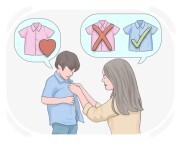
to demand
to demand
[動詞]

to ask something from someone in an urgent and forceful manner

要求する, 求める

要求する, 求める

Ex: The teacher had to demand silence in the classroom to conduct the important exam without disruptions. 
to enable
to enable
[動詞]

to give someone or something the means or ability to do something

可能にする, 有効にする

可能にする, 有効にする

Ex: He enabled his friend to overcome a challenging situation with his support. 
exception
exception
[名詞]

a person or thing that does not follow a general rule or is excluded from a class or group

例外, 特別な場合

例外, 特別な場合

Ex: The policy requires everyone to wear uniforms, with the exception of those with religious dress requirements. 
guideline
guideline
[名詞]

a principle, recommendation, or instruction that helps determine how something should be done

ガイドライン,  指針

ガイドライン, 指針

Ex: The company issued new guidelines for working from home. 
necessity
necessity
[名詞]

the fact or condition of being required or unavoidable

必要性,  必然性
必要性, 必然性

Ex: The report emphasizes the necessity of reducing water waste. 
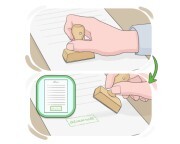
permit
permit
[名詞]

an official document that allows someone to do something

許可証

許可証

Ex: The park requires a permit for any group activities or events to ensure they do not interfere with other visitors. 
to permit
to permit
[動詞]

to allow something or someone to do something

許可する, 許す

許可する, 許す

Ex: The teacher permits students to use calculators during the exam. 
regulation
regulation
[名詞]

a rule made by the government, an authority, etc. to control or govern something within a particular area

規制, 規制

規制, 規制

Ex: The airline industry is subject to strict regulations regarding passenger safety and security. 
obligation
obligation
[名詞]

an action that one must perform because they are legally or morally forced to do so

義務, 責務

義務, 責務

Ex: Signing the lease created a legal obligation for them to pay rent on time each month. 
requirement
requirement
[名詞]

something that is essential or indispensable

要件, 必要条件

要件, 必要条件

Ex: Clean air is a requirement in industrial standards. 
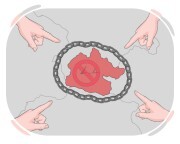
to restrict
to restrict
[動詞]

to bring someone or something under control through laws and rules

制限する, 限定する

制限する, 限定する

Ex: The school decided to restrict access to certain areas for student safety. 
restriction
restriction
[名詞]

a rule or law that limits what one can do or the thing that can happen

制限, 規制

制限, 規制

Ex: The school's restriction on the use of mobile phones during class hours aimed to minimize distractions. 
rule book
rule book
[名詞]

a set of rules and regulations that must be followed in a particular organization, occupation, etc.

ルールブック, 規定集

ルールブック, 規定集

Ex: Before starting the tournament, each participant received a copy of the rule book outlining the competition's regulations. 

トーナメントを開始する前に、各参加者は競技の規定を概説したルールブックのコピーを受け取りました。

to forbid
to forbid
[動詞]

to order or officially state that someone must not do something or that something must not happen

禁じる,  禁止する
禁じる, 禁止する

Ex: The school forbids students from using phones during exams. 
forbidden
forbidden
[形容詞]

not permitted to be done

禁止された, 禁じられた

禁止された, 禁じられた

Ex: Smoking is forbidden in this area to maintain clean air quality. 

清潔な空気の質を維持するために、この地域での喫煙は禁止されています。

acceptable
acceptable
[形容詞]

agreed on by most people in a society

受け入れ可能な, 許容できる

受け入れ可能な, 許容できる

Ex: It is acceptable to voice your concerns if you believe the project plan needs improvement. 

プロジェクト計画の改善が必要だと考えるなら、懸念を表明することは受け入れられることです。

to grant
to grant
[動詞]

to let someone have something, especially something that they have requested

与える, 授ける

与える, 授ける

Ex: He granted their appeal for more funding. 
compulsory
compulsory
[形容詞]

forced to be done by law or authority

義務的な, 強制的な

義務的な, 強制的な

Ex: Attendance at the safety training session is compulsory for all employees. 

安全トレーニングセッションへの出席は、すべての従業員に義務付けられています。

illegal
illegal
[形容詞]

forbidden by or against the law

違法な

違法な

Ex: It is illegal to drive without a valid license. 
mandatory
mandatory
[形容詞]

ordered or required by a rule or law

必須の, 義務付けられた

必須の, 義務付けられた

Ex: Wearing a face mask in public places is mandatory to prevent the spread of the virus. 

ウイルスの拡散を防ぐために、公共の場所でマスクを着用することは必須です。

to impose
to impose
[動詞]

to force someone to do what they do not want

課す, 強制する

課す, 強制する

Ex: The boss decided to impose a deadline, putting pressure on the team to complete the project quickly. 
to insist
to insist
[動詞]

to urgently demand someone to do something or something to take place

主張する, 要求する

主張する, 要求する

Ex: She insisted on paying for dinner, despite our protests. 

彼女は私たちの抗議にもかかわらず、夕食を支払うことを主張した。

strictness
strictness
[名詞]

the quality or characteristic of being uncompromising in enforcing rules, regulations, or standards

厳格さ, 厳しさ

厳格さ, 厳しさ

Ex: The teacher's strictness ensured that all students followed classroom rules. 

教師の厳しさにより、すべての生徒が教室の規則に従うことが保証されました。

sanction
sanction
[名詞]

an official measure imposed on a country, organization, or person to punish or pressure them, especially by restricting trade or financial activity

制裁

制裁

Ex: The government imposed new sanctions on the country's banking sector. 
provided that
provided that
[接続詞]

used for stating conditions necessary for something to happen or be available

条件として, ただし

条件として, ただし

Ex: She agreed to lend him the money, provided that he pays it back within a month. 

彼女は彼にお金を貸すことに同意した、ただし一ヶ月以内に返済することを条件に。

to beg
to beg
[動詞]

to ask someone very earnestly or desperately to do something

懇願する, 物乞いする
懇願する, 物乞いする

Ex: She begged him not to leave. 
to [get] rid of {sb/sth}

to put aside or remove a person or thing in order to no longer have them present or involved

Ex: He finally got rid of his old car and bought a new one. 
objection
objection
[名詞]

a reason, statement, or feeling expressing opposition, disagreement, or disapproval

異議,  反対

異議, 反対

Ex: Emma raised an objection to the proposed changes. 
LanGeek
LanGeekアプリをダウンロード