

언어적 행동의 동사 - 설명을 위한 동사

여기에서는 "명확히 하다", "정의하다", "상세히 설명하다"와 같은 설명을 나타내는 몇 가지 영어 동사를 배우게 됩니다.

review-disable

리뷰

flashcard-disable

플래시카드

spelling-disable

철자법

quiz-disable

퀴즈

학습 시작
언어적 행동의 동사
to explain [동사]
اجرا کردن

설명하다

Ex: The video explains how to use the new software step by step .

비디오는 새로운 소프트웨어를 단계별로 사용하는 방법을 설명합니다.
to clarify [동사]
اجرا کردن

명확히 하다

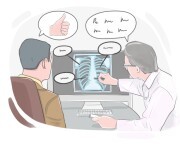
Ex: In response to the confusion , the teacher clarified the instructions for the assignment .

혼란에 대응하여, 선생님은 과제에 대한 지시사항을 명확히 했습니다.

to clear up [동사]
اجرا کردن

명확히 하다

Ex: The spokesperson cleared up any doubts about the new product by addressing common questions during the presentation .

대변인은 발표 중 일반적인 질문에 답함으로써 신제품에 대한 모든 의심을 해소했습니다.

اجرا کردن

명확히 설명하다

Ex:

그들은 참가자들에게 규칙을 명확히 설명했고, 모두가 대회의 지침을 이해하도록 했습니다.

to simplify [동사]
اجرا کردن

단순화하다

Ex: The chef decided to simplify the recipe by using fewer ingredients for a quick meal .

셰프는 빠른 식사를 위해 재료를 더 적게 사용하여 레시피를 단순화하기로 결정했다.

to define [동사]
اجرا کردن

정의하다

Ex: Lexicographers often define new terms in updated editions of dictionaries .

사전 편찬자들은 종종 사전의 업데이트된 판에서 새로운 용어를 정의합니다.

اجرا کردن

자세히 설명하다

Ex: During the meeting , the expert elaborated on the key points of the proposal to ensure everyone had a clear understanding .

회의 중에 전문가는 제안의 핵심 사항을 상세히 설명하여 모든 사람이 명확하게 이해할 수 있도록 했습니다.

اجرا کردن

확장하다

Ex: The author took the opportunity to expand on the historical context of the events mentioned in the book .

저자는 책에서 언급된 사건들의 역사적 맥락을 자세히 설명할 기회를 잡았다.

اجرا کردن

요약하다

Ex: The presenter used bullet points to summarize the key points of the presentation for the audience .

발표자는 청중을 위해 발표의 주요 요점을 요약하기 위해 글머리 기호를 사용했습니다.

to sum up [동사]
اجرا کردن

요약하다

Ex: The teacher encouraged the students to sum up their findings in a brief paragraph .

선생님은 학생들에게 그들의 발견을 간단한 단락으로 요약하도록 격려했습니다.

to outline [동사]
اجرا کردن

개요를 설명하다

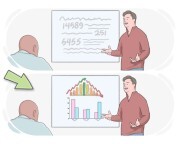
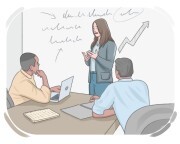
Ex: The speaker outlined the main points of the presentation on the whiteboard for clarity .

발표자는 명확성을 위해 화이트보드에 프레젠테이션의 주요 포인트를 개요했습니다.

اجرا کردن

의역하다

Ex: The presenter paraphrased the complex technical jargon to make it more accessible to a broader audience .

발표자는 더 넓은 청중이 접근하기 쉽도록 복잡한 기술 용어를 다시 표현했습니다.

اجرا کردن

요약하다

Ex: The executive summary encapsulated the main findings of the extensive market research .

실행 요약은 광범위한 시장 조사의 주요 결과를 요약했습니다.

to recap [동사]
اجرا کردن

요약하다

Ex: The teacher recapped the lesson , emphasizing the key concepts before the students left .

선생님은 학생들이 떠나기 전에 주요 개념을 강조하며 수업을 요약했습니다.

to specify [동사]
اجرا کردن

명시하다

Ex: The job description should specify the qualifications and skills required for the position .

직무 설명은 해당 직위에 필요한 자격과 기술을 명시해야 합니다.

to depict [동사]
اجرا کردن

묘사하다

Ex: The film was depicting life in the 18th century when the power went out .

그 영화는 정전이 되었을 때 18세기의 삶을 그리고 있었다.

to portray [동사]
اجرا کردن

묘사하다

Ex: In his speech , the politician portrays his opponent as incompetent and untrustworthy .

그의 연설에서, 그 정치인은 그의 상대를 무능하고 신뢰할 수 없는 사람으로 묘사합니다.

to describe [동사]
اجرا کردن

묘사하다

Ex: The artist used vivid colors to describe the sunset in her painting .

예술가는 그녀의 그림에서 일몰을 묘사하기 위해 생생한 색상을 사용했습니다.

to profile [동사]
اجرا کردن

프로파일을 작성하다

Ex: In the feature article , the author chose to profile a historic landmark , exploring its significance and architectural details .

특집 기사에서 저자는 역사적인 랜드마크를 프로파일하기로 선택했으며, 그 중요성과 건축적 세부 사항을 탐구했습니다.

اجرا کردن

시연하다

Ex: The speaker used statistical data to demonstrate the correlation between regular exercise and improved mental health .

연설자는 정기적인 운동과 정신 건강의 개선 사이의 상관 관계를 입증하기 위해 통계 데이터를 사용했습니다.

to detail [동사]
اجرا کردن

상세히 설명하다

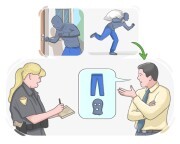
Ex: The detective carefully detailed the sequence of events leading to the crime , creating a clear timeline for investigation .

탐정은 범죄로 이어지는 사건들의 순서를 신중하게 상세히 설명하여 조사를 위한 명확한 타임라인을 만들었다.

اجرا کردن

특징짓다

Ex: The journalist characterized the political candidate as charismatic and eloquent .

기자는 그 정치 후보자를 카리스마 있고 웅변술이 뛰어난 사람으로 묘사했다.