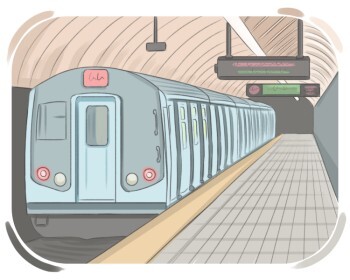
pattern

Książka Four Corners 4 - Jednostka 12 Lekcja A

Tutaj znajdziesz słownictwo z Unit 12 Lesson A w podręczniku Four Corners 4, takie jak "konserwować", "środowiskowy", "zanieczyszczenie" itp.

Przegląd

Fiszki

formy

Pisownia

Test

Zacznij naukę
Four Corners 4
to find
to find
[Czasownik]

to randomly discover someone or something, particularly in a way that is surprising or unexpected

odkryć, znaleźć

odkryć, znaleźć

Ex: A hidden room was found in an old mansion during renovations. 
solution
solution
[Rzeczownik]

a way in which a problem can be solved or dealt with

rozwiązanie

rozwiązanie

Ex: The team brainstormed to find a creative solution to the design challenge. 
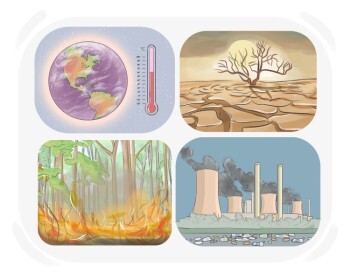
environmental
environmental
[przymiotnik]

relating to the natural world and effects of human actions on it

środowiskowy, ekologiczny

środowiskowy, ekologiczny

Ex: Environmental impact assessments evaluate the potential effects of human activities on the environment before projects are undertaken. 

Oceny oddziaływania na środowisko oceniają potencjalne skutki działalności człowieka na środowisko przed podjęciem projektów.
concern
concern
[Rzeczownik]

a subject of significance or interest to someone or something

niepokój, zainteresowanie
niepokój, zainteresowanie

Ex: His primary concern was the safety of his family. 
to prevent
to prevent
[Czasownik]

to not let someone do something

zapobiegać, powstrzymywać
zapobiegać, powstrzymywać

Ex: The security guard prevented the unauthorized person from entering the building. 
pollution
pollution
[Rzeczownik]

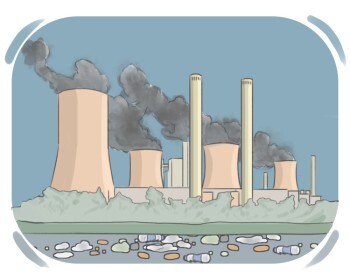
a change in water, air, etc. that makes it harmful or dangerous

zanieczyszczenie, skażenie
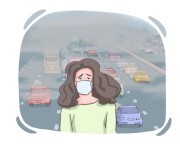
zanieczyszczenie, skażenie

Ex: The pollution in the lake has made the water toxic to fish and plants. 
air pollution
air pollution
[Rzeczownik]

toxic and harmful substances in the air that can cause illnesses

zanieczyszczenie powietrza, zanieczyszczenie atmosfery

zanieczyszczenie powietrza, zanieczyszczenie atmosfery

Ex: Scientists are developing cleaner energy sources to combat air pollution and its negative impact on the environment. 

Naukowcy opracowują czystsze źródła energii, aby zwalczać zanieczyszczenie powietrza i jego negatywny wpływ na środowisko.

to combine
to combine
[Czasownik]

to join together in pursuit of a shared goal or advantage

łączyć, zjednoczyć
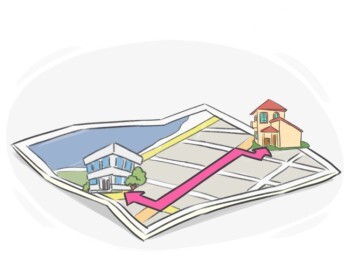
łączyć, zjednoczyć

Ex: Different community groups combined to organize a successful fundraiser for local charities. 
to commute
to commute
[Czasownik]

to regularly travel to one's place of work and home by different means

dojeżdżać do pracy, regularnie podróżować do pracy

dojeżdżać do pracy, regularnie podróżować do pracy

Ex: The remote work policy has significantly reduced the need for employees to commute daily. 

Polityka pracy zdalnej znacznie zmniejszyła potrzebę codziennego dojazdu pracowników.

to maintain
to maintain
[Czasownik]

to keep a vehicle, building, road, etc. in good condition by doing regular repairs, renovations, or examinations

utrzymywać, konserwować

utrzymywać, konserwować

Ex: They maintain the old house by repainting and repairing it every few years. 

Oni utrzymują stary dom, malując go i naprawiając co kilka lat.
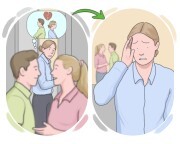
to avoid
to avoid
[Czasownik]

to intentionally stay away from or refuse contact with someone

unikać, omijać
unikać, omijać

Ex: To prevent a confrontation, he tried to avoid his ex-girlfriend at the party. 
to store
to store
[Czasownik]

to keep something in a particular place for later use, typically in a systematic or organized manner

przechowywać, przechować

przechowywać, przechować

Ex: The museum stores its valuable artifacts in climate-controlled rooms to prevent damage. 
to limit
to limit
[Czasownik]

to not let something increase in amount or number

ograniczać
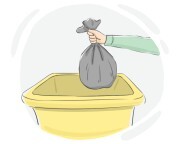
ograniczać

Ex: The company decided to limit the number of products each customer could purchase. 
to discard
to discard
[Czasownik]

to get rid of something that is no longer needed

wyrzucić, pozbyć się

wyrzucić, pozbyć się

Ex: After completing the project, it was time to discard the unused materials. 

Po zakończeniu projektu nadszedł czas, aby wyrzucić nieużywane materiały.

to conserve
to conserve
[Czasownik]

to keep something from change or harm

zachowywać, chronić

zachowywać, chronić

Ex: Efforts to conserve biodiversity are essential for the health of ecosystems. 

Wysiłki mające na celu zachowanie różnorodności biologicznej są niezbędne dla zdrowia ekosystemów.
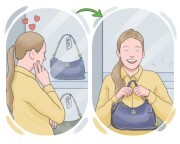
to purchase
to purchase
[Czasownik]

to get goods or services in exchange for money or other forms of payment

kupować, nabywać
kupować, nabywać

Ex: Consumers often purchase goods and services to meet their needs and desires. 
to recycle
to recycle
[Czasownik]

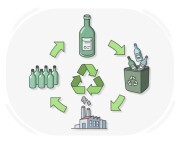
to make a waste product usable again

recyklingować, ponownie wykorzystywać

recyklingować, ponownie wykorzystywać

Ex: Composting is a method of recycling organic waste to create nutrient-rich soil for gardening. 

Kompostowanie to metoda recyklingu odpadów organicznych w celu stworzenia bogatej w składniki odżywcze gleby do ogrodnictwa.

to identify
to identify
[Czasownik]

to be able to say who or what someone or something is

identyfikować,  rozpoznawać
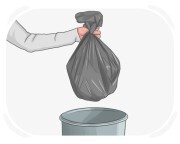
identyfikować, rozpoznawać

Ex: The detective easily identifies the suspect from the security footage. 
to dump
to dump
[Czasownik]

to get rid of unwanted material or waste by leaving it somewhere

zrzucać

zrzucać

Ex: Illegal waste was dumped in the forest. 
task
task
[Rzeczownik]

a piece of work that someone takes on or tries to accomplish
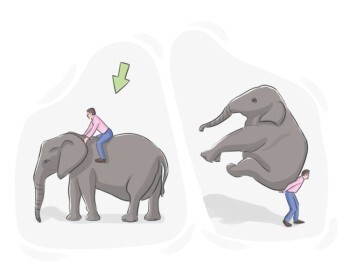
Ex: She set herself the task of reading one book per week. 
possible
possible
[przymiotnik]

able to exist, happen, or be done

możliwy, wykonalny

możliwy, wykonalny

Ex: The team made every possible effort to win the game. 

Zespół dołożył wszelkich możliwych starań, aby wygrać grę.
efficient
efficient
[przymiotnik]

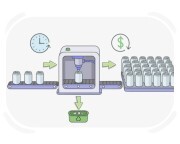
(of a system or machine) achieving maximum productivity without wasting much time, effort, or money

wydajny, efektywny
wydajny, efektywny

Ex: The new software streamlined processes, making the office more efficient and organized. 
water pollution
water pollution
[Rzeczownik]

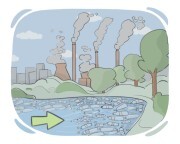
the poisoning of bodies of water caused by harmful materials

zanieczyszczenie wody, zatrucie wody

zanieczyszczenie wody, zatrucie wody

Ex: Water pollution is a major concern for communities relying on clean water sources. 

Zanieczyszczenie wody jest głównym problemem dla społeczności zależnych od czystych źródeł wody.

spray can
spray can
[Rzeczownik]

a pressurized container that dispenses liquid or gas as a fine mist or spray when activated

puszka z sprayem, aerozol

puszka z sprayem, aerozol

Ex: The artist carried a spray can in every color for his mural. 

Artysta nosił puszkę z farbą w sprayu w każdym kolorze do swojego muralu.

chemical
chemical
[przymiotnik]

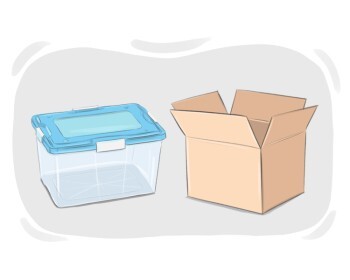
concerning or used in the scientific field of chemistry

chemiczny
chemiczny

Ex: Chemical reactions involve the rearrangement of atoms to form new substances. 
container
container
[Rzeczownik]

an object used for holding, storing, or carrying something

pojemnik,  opakowanie
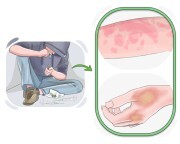
pojemnik, opakowanie

Ex: The seeds were planted in small containers on the balcony. 
harmful
harmful
[przymiotnik]

causing damage or negative effects to someone or something

szkodliwy, szkodzący

szkodliwy, szkodzący

Ex: Negative self-talk can be harmful to your mental well-being. 

Negatywny dialog wewnętrzny może być szkodliwy dla twojego dobrostanu psychicznego.
battery
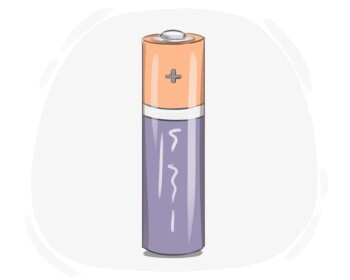
battery
[Rzeczownik]

a device that stores chemical energy and converts it into electrical energy to provide power

bateria,  akumulator
bateria, akumulator

Ex: The car wouldn't start because its battery was flat. 
properly
properly
[przysłówek]

in a correct or satisfactory manner

prawidłowo, odpowiednio

prawidłowo, odpowiednio

Ex: If the ingredients aren't measured properly, the recipe might fail. 

Jeśli składniki nie są właściwie odmierzane, przepis może się nie udać.

condition
condition
[Rzeczownik]

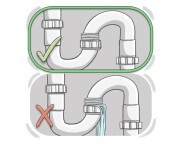
the state of something at a particular time

stan, warunek
stan, warunek

Ex: He checked the condition of the tires before the long road trip. 
amount
amount
[Rzeczownik]

the total number or quantity of something

ilość, kwota

ilość, kwota

Ex: The amount of rainfall last month was unusually high, causing flooding in some areas. 
to control
to control
[Czasownik]

to have power over a person, company, country, etc. and to decide how things should be done

kontrolować, rządzić

kontrolować, rządzić

Ex: The CEO sought to control the company's strategic direction. 
to throw away
to throw away
[Czasownik]

to get rid of what is not needed or wanted anymore

wyrzucić coś co nie jest już potrzebne lub chciane, pozbyć się czegoś niepotrzebnego

wyrzucić coś co nie jest już potrzebne lub chciane, pozbyć się czegoś niepotrzebnego

Ex: They were reluctant to throw away sentimental belongings. 

Niechętnie wyrzucali sentymentalne przedmioty.
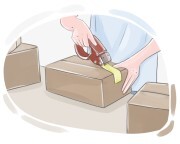
packaging
packaging
[Rzeczownik]

the process or business of packing goods for storage, transport, or sale

opakowanie, pakowanie

opakowanie, pakowanie

Ex: They focus on eco-friendly packaging to reduce waste. 

Skupiają się na przyjaznych dla środowiska opakowaniach, aby zmniejszyć ilość odpadów.
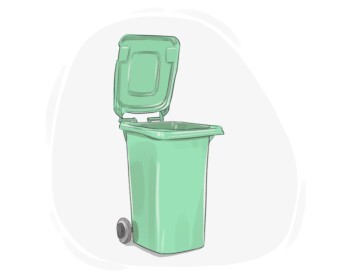
trash can
trash can
[Rzeczownik]

a container used for holding waste until it is thrown away or collected

kosz na śmieci,  śmietnik
kosz na śmieci, śmietnik

Ex: Sarah replaced the bag inside the kitchen trash can. 
to locate
to locate
[Czasownik]

to discover the exact position or place of something or someone

zlokalizować, znaleźć

zlokalizować, znaleźć

Ex: Using GPS coordinates, they were able to locate the missing hiker in the dense forest. 
to promote
to promote
[Czasownik]

to move to a higher position or rank

awansować, promować
awansować, promować

Ex: After years of hard work, she was promoted to manager of the department. 
whole
whole
[przymiotnik]

including every part, member, etc.

cały, pełny
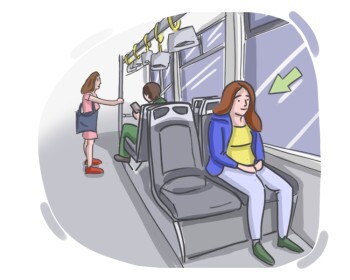
cały, pełny

Ex: They read the whole story aloud in class. 
commuter
commuter
[Rzeczownik]

a person who regularly travels to city for work

dojeżdżający, pasażer

dojeżdżający, pasażer

Ex: A new app helps commuters find the fastest route to their destinations. 

Nowa aplikacja pomaga dojeżdżającym znaleźć najszybszą trasę do celu.
sidewalk
sidewalk
[Rzeczownik]

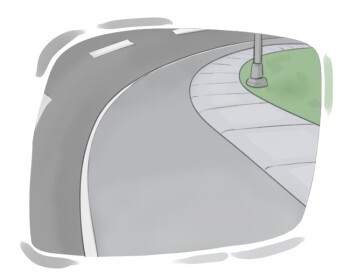
a pathway typically made of concrete or asphalt at the side of a street for people to walk on

chodnik, trotuar

chodnik, trotuar

Ex: He found a quiet spot to sit on the sidewalk and enjoy his coffee. 

Znalazł ciche miejsce, żeby usiąść na chodniku i cieszyć się kawą.
train station
train station
[Rzeczownik]

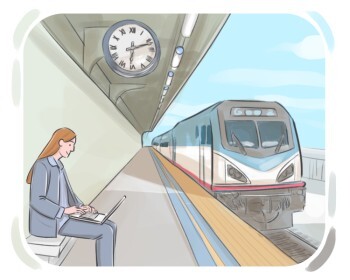
a place where trains regularly stop for passengers to get on and off

dworzec kolejowy, stacja kolejowa
dworzec kolejowy, stacja kolejowa

Ex: The train station platform was busy with people waiting for their trains. 
bike
bike
[Rzeczownik]

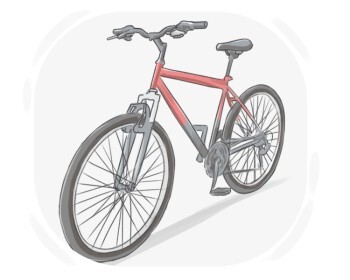
a bicycle

rower, bicykl

rower, bicykl

Ex: Sarah fell off her bike while riding down the hill. 
underground
underground
[Rzeczownik]

a railway system in which trains travel through tunnels beneath a city

metro,  kolej podziemna
metro, kolej podziemna

Ex: The underground is usually faster than driving through central London. 
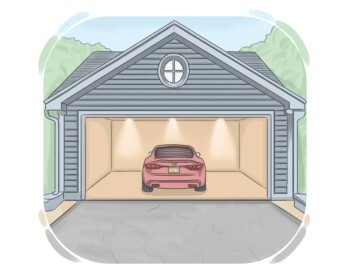
garage
garage
[Rzeczownik]

a building or enclosed part of a building used for keeping a motor vehicle

garaż

garaż

Ex: The garage door opened automatically as we approached. 
LanGeek
Pobierz aplikację LanGeek